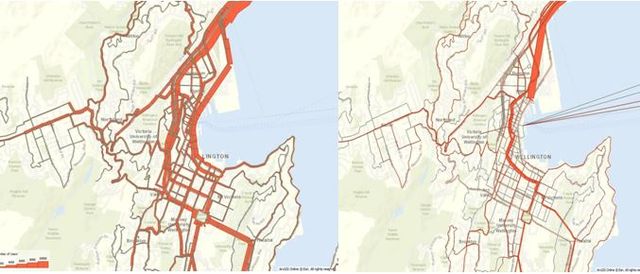
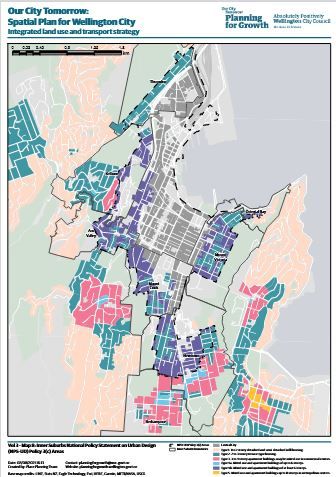
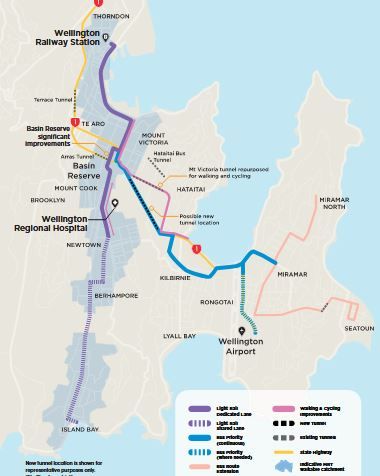
At a time of close scrutiny of the LGWM programme, with some Wellington city councillors calling for it to be abandoned and an opposition party ready to scrap it if they win power, it is time to reflect on just why we need Mass Rapid Transport and what the consequences for our region will be if this doesn’t go ahead.
Light Rail is the second option being put forward by Let’s Get Wellington Moving for mass transit. While it is better than bendy buses, it has diverged alarmingly from what was supported by all tiers of government in 2019. Most concerning is the thinking around the route.
Bus Rapid Transit was to run between three interchanges, at the Railway Station, Wellington Regional Hospital and Kilbirnie. Now it looks too light for the job, which probably means light rail.
Wellington’s transport model has failed to deliver, and all the recent studies show more of the same is going to make things worse. We need a different approach if we want a vibrant, economically successful city.
The reality of the noise problem on Johnsonville trains (which brought complaints last week) is that the heavy rail electric multiple units which provide the service are at their limits on the line, although it now has the best on-time performance of any rail line in Wellington – 94%, even with the clapped-out English Electrics that were in use till June.
The use of modern trams (light rail) along the core Wellington CBD spine is inevitable, because bus systems cannot (or will soon be unable to) deliver the required passenger capacity in the space available, along the Golden Mile in particular.
Another milestone was reached in Wellington’s electric transport history on 19 March when the venerable English Electric EMUs retired from their 74-year-old career shuttling commuters up and down the 10km Johnsonville Line.
Meeting places speak volumes. A fair trade clothing sale at Zeal is where mayoral candidate Celia Wade-Brown is scheduled to be on a Monday afternoon, and so that is where we meet her, to hear her plans for a greener and more sustainable Wellington.
One of the biggest daily problems facing Wellingtonians is transport – the simple act of getting from A to B, especially at peak times. In some areas even quiet weekends can be difficult. Yet the current mayor and councillors seem to have little idea of the extent of the problem, let alone how to fix it.
Whether you're looking to unwind after a long day or explore new avenues of self-care, this 1-hour gong bath offers a unique opportunity to reconnect with yourself and find balance amidst the hustle and bustle of daily life.
Rev Guy Benton Kia ora, All SaintsLast week, I was fortunate, alongside Cassandra, to be at our annual Diocesan synod with all our other parishes and mission units.
The Wellington Phoenix are prepared to bounce back from opening day defeat. Last Sunday’s 2-1 loss to reigning champions Melbourne City had plenty of positives despite the scoreline, and head coach Bev Priestman knows what she’s after this weekend against... The post Ninja A-League Matchweek 2 Preview appeared first on Wellington Phoenix.