Search / “2025年1月18日农历”
Matching Newsitems
-
-

Year 9 & 10 Activites Week coming up December 3-7th 2025
- Onslow College
- Year 9 – Enviro week Wed 3rd-5th December Year 9 Enviro Days is a 3-day program held at Onslow College (3th–5th December).
- Accepted from Onslow College feed by feedreader
- Tagged as:
- onslow
Onslow College, Burma Road, Broadmeadows, Wellington, Wellington City, Wellington, 6037, New Zealand (OpenStreetMap)
-
-
-

Hot pools and Hills: Waitangi Weekend 2025 at Kaweka Forest Park
- Wellington Tramping and Mountainneering Club
- Day One: Travel Day – Wellington to Mangatutu Hot Springs campsite Day Two: Makahu Road to Ballard Hut Day 3: Ballard Hut to Te Puia Hut and hot springs Day 4: Te Puia Hut to Wellington
- Accepted from WTMC news 2020 by feedreader
- Automatically tagged as:
- sport
- wcn-hosted
-
-
-

Long-term Plan 2024-34 amendment and Annual Plan 2025/26
- Hataitai Community Website
- Have your say on Wellington City Council’s Long Term Plan Amendment
- Accepted from Hataitai Community website posts by feedreader
- Automatically tagged as:
- hataitai
-
-
-

Easter hours 2025: plan ahead and hop in for a visit
- Upper Hutt City Council
- Stock up on books, magazines, jigsaws, and more from our collections to see you through while we are closed for an extended Easter break.
- Accepted from Upper Hutt City news 2021 by feedreader
- Automatically tagged as:
- government
- upper-hutt
-
-
-

Onslow College Sport News and Results Wrap Up – 9th October, 2025
- Onslow College
- A quick summary of the amazing results and events our students are involved in, as reported to us over the holidays.
- Accepted from Onslow College feed by feedreader
- Tagged as:
- onslow
Onslow College, Burma Road, Broadmeadows, Wellington, Wellington City, Wellington, 6037, New Zealand (OpenStreetMap)
-
-
-
Metlink school bus routes for start of Term 1 2020
- Wellington High School
- Morning services 713 – Miramar – Kilbirnie – Newtown – Basin Schools 7:45 Miramar-DarlingtonRd (124) 8:36 BasinRes (sch) Daily 715 – Lyall Bay – Kilbirnie – Hataitai – Basin Schools 8:00 LyallBay-HungerfordRd (2) 8:28 BasinRes (sch) Daily 725 – Houghton Bay – Southgate – Island Bay – Basin Schools 7:45 HgtnBayRd nr Cave 8:31 BasinRes (sch) Daily 726 – Island Bay – Owhiro Bay – Berhampore – Wellington High School 7:55 Esplanade opp Beach 8:25 MasseyUni-WallaceSt (opp) Daily 8:05 Island Bay-ReefSt at ShorlandPk 8:25 MasseyUni-WallaceSt (opp) Daily 734 – Brooklyn – Kingston – Vogeltown – Basin Schools 7:50 OhiroRd at Bretby 8:10 AdelaideRd at Basin (12) Daily 736 – Karori (Wrights Hill) – Kelburn – Wellington College 7:40 KaroriMall-BeauchampSt 8:13 BasinRes (sch) Daily 7:50 GippsSt at Cooper (sch) 8:20 BasinRes (sch) Daily 737 – Karori – Kelburn – Wellington College & Wellington High School 7:43 Karori-AllingtonRd 8:29 BasinRes (sch) Daily 7:45 Karori-AllingtonRd 8:29 BasinRes (sch) Daily 7:47 Karori-AllingtonRd 8:33 BasinRes (sch) Daily 743 – Wilton – Wadestown – Thorndon Colleges & Basin Schools 7:55 Wilton-SurreySt 8:35 BasinRes (sch) Daily 8:00 Wilton-SurreySt 8:40 BasinRes (sch) Daily 746 – Khandallah – Ngaio – Basin Schools – St Patrick’s College 7:35 HuttRd at Rangiora 8:25 BasinRes (sch) Daily 764 – Karori – Wellington College 7:55 Karori-AllingtonRd 8:43 BasinRes (sch) Daily 768 – Mairangi – Wellington, St Patrick’s & Rongotai Colleges 7:50 Mairangi-NorwichSt 8:22 BasinRes (sch) Daily 770 – Kowhai Park – Kingston – Vogeltown – Basin & Kilbirnie Colleges 7:50 KowhaiPk-MitchellSt 8:15 AdelaideRd at Basin (12) Daily Afternoon services 718 – Wellington High School – Newtown – Seatoun 15:30 TaranakiSt (217) 16:00 SeatounPk-HectorSt Daily 719 – Wellington High School – Kilbirnie – Miramar North 15:30 WgtnHighSch (sch) 15:56 ParkRd at Rotherham (86) Daily 726 – Wellington High School – Berhampore – Owhiro Bay – Island Bay 15:25 WgtnHighSch (sch) 15:44 IslandBay-ReefSt opp ShorlandPk Daily 15:30 WgtnHighSch (sch) 16:10 IslandBay-ReefSt opp ShorlandPk Daily 734 – Brooklyn – Kingston – Vogeltown – Basin Schools 15:36 AdelaideRd at Basin (13) 15:50 Brooklyn-A Daily 740 – Wellington College – Kelburn – Karori 15:30 TaranakiSt at AbelSmith 15:58 Karori-KaroriRd Daily 15:31 TaranakiSt at AbelSmith 15:59 Karori-KaroriRd Daily 15:32 TaranakiSt at AbelSmith 16:00 Karori-KaroriRd Daily 742 – Basin Schools – Miramar Heights 15:40 BasinRes (sch) 16:18 MiramarShops-A Daily 769 – St Patrick’s & Wellington Colleges, Wellington High School – Northland – Wilton 15:38 TaranakiSt at AbelSmith 16:10 Wilton-SurreySt Daily 770 – Basin Schools – Vogeltown – Kingston – Kowhai Park 15:49 AdelaideRd at Basin (13) 16:29 KowhaiPk-MitchellSt Daily
- Accepted from WHS news by feedreader
- Tagged as:
- berhampore
- brooklyn
- hataitai
- island-bay
- karori
- kelburn
- khandallah
- kilbirnie
- lyall-bay
- miramar
- newtown
- ngaio
- northland
- seatoun
- thorndon
- wadestown
- wilton
- vogeltown
Wellington High School, Taranaki Street, Mount Cook, Wellington, Wellington City, Wellington, 6011, New Zealand (OpenStreetMap)
-
-
-
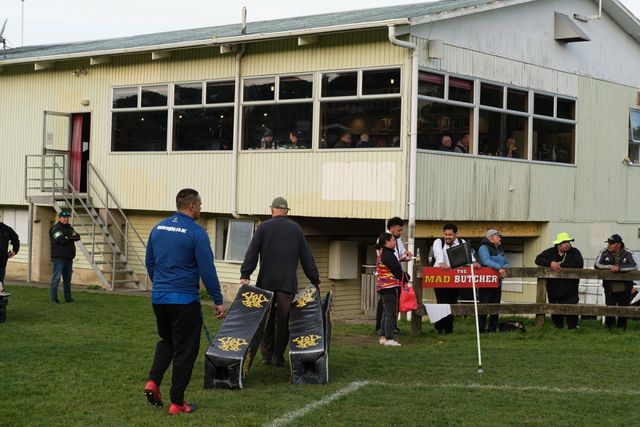
Sideline Conversions 1 May (some rugby news and information to start the week)
- Wellington Club Weekly
- We are in the mix for round six this coming weekend, games at a glance: #1 – Avalon v Pare-Plim #2 – HOBM v Upper Hutt Rams #3 – Norths v Ories #4 – Wainui v Poneke #5 – Wellington v Marist St Pats #6 – J’ville v OBU #7 – Tawa v Petone +++++...
- Accepted from Club Weekly 2020 by feedreader
- Tagged as:
- petone
- rugby
- tawa
- upper-hutt
Upper Hutt, Upper Hutt City, Wellington, 5218, New Zealand (OpenStreetMap)
-
-
-

BNU Masters 3 v Seatoun A - 10/3/2010 at Happy Valley 1
- Brooklyn Northern United AFC
- BNU Masters 3 v Seatoun A, 10/3/10 at Happy Valley 1 3-3 (HT 2-2)The clanging sound this week was not from a penalty bouncing off the crossbar but the sound of iron gates closing in vain behind us as we got out of jail.
- Tagged as:
- seatoun
- brooklyn
- match-reports
Brooklyn, Wellington, New Zealand (OpenStreetMap)
-
-
-
BNU Masters 3 v Seatoun A - 10 April 2010 at Happy Valley 1
- Brooklyn Northern United AFC
- BNU Masters 3 v Seatoun A, 10/3/10 at Happy Valley 1 3-3 (HT 2-2)The clanging sound this week was not from a penalty bouncing off the crossbar but the sound of iron gates closing in vain behind us as we got out of jail.
- Tagged as:
- seatoun
Seatoun
-
-
-
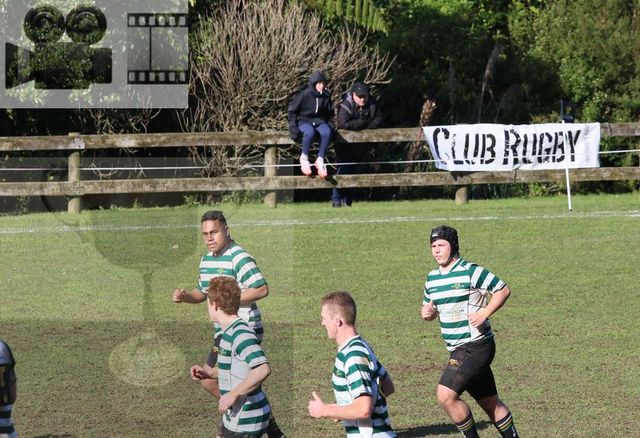
Colts Division 1 Semi-final: OBU Green (26) v Tawa (11) match highlights
- Wellington Club Weekly
- The Old Boys University Green Colts team beat Tawa 26-11 (halftime 15-6) in their Colts Division 1 semi-final on Saturday. Some match highlights below. NOT including Tawa’s try that was scored towards the end of the contest, as our operative had to depart the semi-final cauldron for another game.
- Accepted from Club Weekly 2020 by feedreader
- Tagged as:
- tawa
Tawa, Wellington, New Zealand (OpenStreetMap)
-
-
-
REBLOG Croaking Cassandra: Further thoughts on the airport Part 1
- Guardians of the Bays
- Shortly after the release of the cost-benefit analysis of the proposed Wellington airport runway extension, prepared by Sapere for Wellington International Airport Limited (WIAL) I wrote a post in which I posed the question “If they build it, what if no one comes?” Since that post, I’ve been to one of the open day/public consultation meetings, have read and thought about the documents more thoroughly, and have read various pieces written by others, including the new one by Ian Harrison that I linked to yesterday. I have also had some engagement with Sapere and WIAL, which has helped to sharpen my sense of what the issues really are. The cost-benefit analysis is not a business case document. It has been prepared in support of a resource consent application. What I hadn’t known when I wrote earlier (and was advised of by Sapere) is that under the RMA the applicants will need to be able to demonstrate national benefits to get permission to fill in some more of Lyall Bay, to extend the runway. I’m sure that the cost-benefit analysis is not serving as a business case for Infratil, the major shareholder in WIAL. But since this project is generally accepted to be viable only if there is significant public funding, and any such funding can only be defended if there would be material net public benefits , the Sapere cost-benefit analysis is by default serving as something of a business case at present. If the numbers don’t stack up, neither the Wellington region councils nor central government should be putting any money into the project (beyond WIAL’s resources, and of course Wellington City Council is a 34 per cent shareholder in WIAL). In this post, I will offer a few thoughts on the plausibility of the assumed increase in international passenger traffic to/from New Zealand as a result of the extension. Extending the runway at Wellington airport could materially reduce the cost of some forms of international travel in and out of Wellington. If long-haul flights were offered, lower costs could result by reducing the time taken (eg. by eliminating the one hour flight to Auckland and the stopover time in Auckland, it might reduce the total time for a trip to Singapore (and onward points) by perhaps 2.5 hours). For those travelling anyway, those gains could be material – time has an opportunity cost. In addition, by allowing long-haul aircraft to fly into Wellington, the direct cost of international airfares in and out of Wellington could also be expected to fall – quite materially, if the numbers Sapere quotes are correct. Those gains apply not just to long haul routes themselves – a Wellington-Singapore direct fare should be materially cheaper than the current options via Auckland, Christchurch or Sydney – but also to trans-Tasman flights, as the longer runway would also facilitate used of wide-bodied aircraft on trans-Tasman routes (as for examples, the Emirates flights between Christchurch and Australia). Of course, simply building the runway extension does not bring about any of these savings. They depend on airlines finding it profitable to run additional services. And although international air travel has increased enormously to and from New Zealand in recent decades, provincial New Zealand is littered with the dreams of local authorities (airport owners) with aspirations to have an international airport. New Zealand has plenty of attractive places, but one main international airport. Wellington, of course, has a significant business market, and business travel is typically much more profitable for airlines than leisure travel. And unlike the predominantly leisure travel into Christchurch, the Wellington business travel probably isn’t very seasonal. So the idea the long haul flights into Wellington could be viable isn’t self-evidently absurd. But, on the other hand, the economic cost of making such flights technically feasible – lengthening the runway – is far higher than in many other places. At $1m a metre, it is considerably more costly than putting some asphalt on some more grassy fields in Christchurch. Wellington isn’t a natural place for a long-haul international airport. The WIAL proposal uses modelling by international consultants to estimate likely growth in traffic and passenger numbers with and without the extension. There are some questions about the baseline forecast, including for example around the potential future impact of climate change mitigation policies. But my main interest is the difference between these two – the increase in traffic that would result from the runway extension itself. It is hard to pick one’s way through all the numbers, but the bottom line appears to be that the cost-benefit analysis is done on the basis that by 2060 there will be an additional 400000 foreign international passengers per annum arriving in Wellington, and an additional 200000 New Zealand international departures per annum through Wellington[1]. Many of these are people who would otherwise have travelled via Auckland or Christchurch, so that the net gain in international travel numbers to New Zealand is around 200000, with an additional 100000 or so New Zealanders travelling abroad. Many of the gains are forecast to occur early in the period. Thus, by 2035, the analysis assumes an annual net gain to New Zealand of around 125000 international visitors (relative to the no-extension baseline). How plausible is this? The various reports highlight the phenomenon of “market stimulation” – putting on new air services tends to stimulate total passenger numbers. That shouldn’t be surprising. Not only do point-to-point services lower the cost of visiting a particular place, but marketing expenditure raises awareness of the destinations concerned. On the other hand, one can’t just take for granted that such market stimulation will render long haul flights into and out of Wellington viable. After all, there are plenty of cities around the world with few or no long haul flights. Closer to home, Rotorua is an attractive tourist destination and can’t sustain direct flights even to Sydney. What of Wellington? The modelling exercise involves lowering the cost of foreigners visiting Wellington – to some extent artificially, because the costs of providing the longer runway are not passed back in additional charges to those using long haul flights – but not the cost of them visiting New Zealand (since Auckland and Christchurch fares would stay largely unchanged). Any long-haul flights into Wellington will almost certainly be from cities that already have flights to Auckland (and possibly to Christchurch). Is it really plausible that an additional 200000 people per annum (or even 125000 by 2035) will visit New Zealand simply because they can fly direct to Wellington, or (in respect of trans-Tasman traffic) fly into Wellington more cheaply than previously? Perhaps I’m excessively negative on Wellington. I reckon it is a nice place for a weekend, but not a destination that many long haul leisure travellers would choose. What is there to do after the first two days? And there is little or nothing else in the rest of the bottom of the North Island. So it is plausible that lower fares resulting from additional competition would attract more weekend visitors from Australia. But no one is going to come for a weekend in Wellington all the way from China or Los Angeles. And since the principal attractions of New Zealand are either in the upper North Island or the South Island, how many more people are likely to come to New Zealand just because they can choose Wellington as the gateway for their New Zealand holiday? And what of New Zealanders travelling abroad? Since the costs of Wellingtonians (and others in the nearby areas) getting to desirable destinations abroad would be cheaper if there were direct flights from Wellington, it is credible that the total number of New Zealand overseas travellers would increase. In fact, whereas the modelling suggests twice as many new foreign visitors as new New Zealand international travellers (and in total there are twice as many international visitors to New Zealand as travelling New Zealanders), in this case I wonder if the putative new routes would not be more attractive to New Zealanders than to foreigners? One can illustrate the point with a deliberately absurd example: put on long haul international flights to Palmerston North, and they would be quite attractive to people in Manawatu (much easier/cheaper to get to desirable places like New York or London) but not very attractive at all to foreigners (for whom Manawatu has few attractions). But even if wide-bodied aircraft flights from Wellington did make overseas travel more attractive to New Zealanders, is the effect really large enough to be equivalent to one more trip every year for every 10 people in Wellington and its hinterland? And would the effect still be remotely that large if passengers (users) had to cover the cost of providing the longer runway (which should really be the default option)? Reasonable people can differ on these issues. In my discussions, a lot seems to turn on just how attractive people think Wellington is. I’m pretty sceptical that long haul tourists will ever come to New Zealand to see cities. Perhaps if one is thinking of visiting New Zealand cities, Wellington is more attractive than our other cities, but even if so Wellington still has the feel of being a logical gateway to nowhere much. It isn’t an obvious starting point for a “whole of New Zealand” trip, or a North Island one (given that most of the attractions are further north), or a South Island one. So I’m left (a) sceptical that the net addition to visitor numbers to New Zealand will be as large as the analysis assumes even if the users don’t bear the costs, and (b) suspecting that the boost to the demand for New Zealanders to travel abroad might be greater than the boost to the demand for foreigners to visit New Zealand. On that latter point, the experts point out that they assume that the new long haul services will be provided by foreign airlines, and that the evidence of recent new air services to New Zealand provided by foreign airlines is that they disproportionately boost the number of foreigners travelling. I have no reason to doubt the numbers, but I still wonder if the same result would apply to routes into Wellington. New flights into Auckland are often the first direct flights offered into New Zealand (as a whole) from that city or country. My impression is that “New Zealand” is the destination marketed to long haul passengers. But direct flights to/from Wellington do more to open up the world (more cheaply) to Wellingtonians than they do to open New Zealand to foreigners. And if so, would the foreign airlines be keen to offer the Wellington services at all? This post has been about the sort of increased passenger numbers that might be expected if the runway was extended. In some sense, that should be largely an issue for WIAL. If they can extend their capacity and attract sufficient users at a price that covers the cost of capital of WIAL and its shareholders, the rest of us might not care much (I’m not much bothered about environmental issues, although my family enjoys the waves at Lyall Bay beach). But the cost-benefit analysis being used to lure ratepayers and taxpayers into funding much of the proposed expansion suggests that there are very large economic benefits to New Zealand which cannot be captured directly by airlines or airports. I think they are wrong, and my next post will explain why. [1] From tables 5.11 and 5.12 in the InterVISTAS report.
- Accepted from Guardians of the Bays posts
- Tagged as:
- consultation
- fares
- runway-extension
- lyall-bay
Lyall Bay, Wellington, Wellington City, Wellington, New Zealand/Aotearoa (OpenStreetMap)
-
-
-

Interested in art - there's an exhibition by artists under 18 on show in Manners Street
- Inner-City Wellington
- Wellington China Young Artists exhibition9-21 December 2022Te Pokapū Hapori (Community Centre), 105 Manners Street.
- Accepted from News - ICW by tonytw1
- Tagged as:
- exhibitions
-
-
-
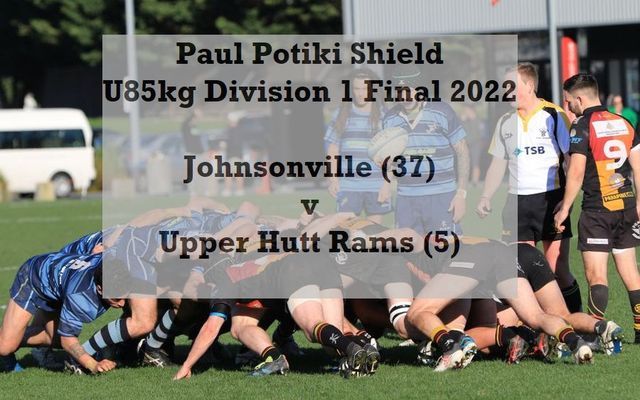
Match Highlights: U85kg Division 1 Final: Johnsonville (37) v Upper Hutt Rams (5)
- Wellington Club Weekly
- The Johnsonville Terrahawks beat the Upper Hutt Rams 37-5 in the 2022 Paul Potiki Shield U85kg Division 1 final at Fraser Park on Saturday 13 August. Johnsonville were fast out of the gates, scoring three tries and leading 22-5 at halftime. They increased their lead after the break and there was no coming back for...
- Accepted from Club Weekly 2020 by feedreader
- Tagged as:
- johnsonville
- upper-hutt
Upper Hutt, Upper Hutt City, Wellington, 5218, New Zealand (OpenStreetMap)
-
-
-

Hutt Old Boys Marist and Northern United preparing for Colts Division 1 Final
- Wellington Club Weekly
- Above: The Northern United and Hutt Old Boys Marist Colts teams celebrating their respective semi-final wins last weekend Hutt Old Boys Marist will be hoping its third time lucky while Northern United will be chasing their first title in this grade since 2010 when their Colts teams meet at Jerry Collins Stadium in the final of the Division 1 John E Kelly Cup on Saturday afternoon.
- Accepted from Rugby Club Weekly Feed
- Automatically tagged as:
- rugby
-
-
-

Congratulations to Iley Nunns- winner of the 2025 Alex Chronis memorial prize
- Wellington Mountain Bike Club
- Congratulations to Iley Nunns for being the most outstanding junior competitor in the enduro this year, and winning the Alex Chronis Memorial prize.
- Accepted from WMTBC feed 2024 by feedreader
- Automatically tagged as:
- mountain-biking
-
-
-
Te Herenga Waka alumni and staff recognised in 2025 King’s Birthday honours
- Victoria University of Wellington
- Comedian Dai Henwood and NZSL expert David McKee are among the alumni and staff from Te Herenga Waka—Victoria University of Wellington named in the honours.
- Accepted from VUW News feed by feedreader
- Automatically tagged as:
- kelburn
- victoria-university
-
-
-
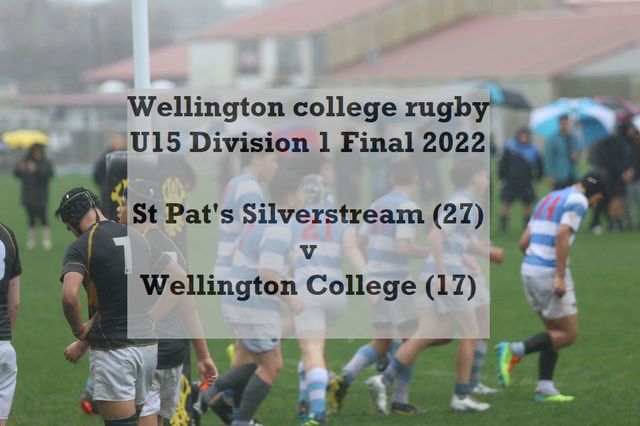
Wellington U15 Division 1 Final: St Pat’s Silverstream (27) v Wellington College (17)
- Wellington Club Weekly
- St Patricks College Silverstream Rugby beat Wellington College 27-17 in the final of the 2022 U15 Division 1 competition, for the Father Gus Hill Cup. At Maidstone Park on 20 August 2022. 📽Match scoring highlights below, as seen on You Tube. Photo gallery of this final: https://clubrugby.smugmug.com/2022/2022-First-XV-and-School-Rugby/20-August-U15-Div1-Final-Silverstream-27-v-Well-Coll-17
- Accepted from Club Weekly 2020 by feedreader
- Tagged as:
- silverstream
- rugby
Silverstream, Upper Hutt, Upper Hutt City, Wellington, 5019, New Zealand (OpenStreetMap)
-
-
-
P2 Men Vs Hutt 11/08/05 Lost 3 - 1
- Upper Hutt Hockey Club
- This week we played Hutt who are one of the top teams in the grade; we were without the services of James, one of our key players this week .
- Accepted from Upper Hutt Hockey Club Game Reports by feedreader
- Automatically tagged as:
- hutt-valley
- hockey
-
-
-
News: John Cope's coaching sessions suspended until Term 1 2020
- Olympic Harriers
- John Copeand#39;s Monday and Wednesday coachingandnbsp;sessions have been suspen...
- Accepted from Olympic Harriers news feed by feedreader
- Automatically tagged as:
- athletics
-
-
-
College Sport Wellington Stakeholder Update – Sport at Alert Level 1
- College Sport Wellington
- Dear students, staff, family members, partners and supporters of College Sport Wellington, On behalf of the Board and Staff of College Sport Wellington, I want to thank you all for your support of school sport over the winter, particularly under the trying circumstances of the past few weeks.
- Accepted from College Sport news HTTPS by feedreader
- Automatically tagged as:
- secondary
- sport
-
-
-

1-7 June: a bumper week in club rugby history
- Wellington Club Weekly
- This week in 2005 saw Upper Hutt win the Swindale Shield. PHOTO: Dominion Post. The first week in June is rich in history in Wellington club rugby. For many years there was the annual King’s Birthday/Queen’s Birthday round that saw draw-makers ensure blockbuster match-ups and big crowds and publicity. Since the late 1960s, early June...
- Accepted from Club Weekly 2020 by feedreader
- Tagged as:
- swindale-shield
-
-
-
Pedestrian and vehicle access to Heretaunga Block Saturday 1 May
- Hutt Valley District Health Board
- From 7am to 5pm tomorrow, the main entrance to Hutt Hospital (Heretaunga Block) and surrounding area at the front of the building, will be closed while a tree is removed by our contractors.
- Accepted from HVDHB news by feedreader
- Automatically tagged as:
- health
- hutt-valley
-
-
-
Results from Tineli Winter Series Race 1 (24 July 2021)
- Kapiti Cycling Club
- Perfect fine and calm conditions greeted a good field of more than 60 riders.
- Accepted from Kapiti Cycling Club results 2020 by feedreader
- Automatically tagged as:
- kapiti
- cycling
-
-
-

Weekly Bulletin: Staying connected as a church - 1 May 2022
- St John's in the City
- Kia ora St John’s whānau, We are on the journey as a Resurrection Community, sharing the life we have in Christ.
- Accepted from News - St John's in the City Presbyterian Church by feedreader
- Automatically tagged as:
- religious-groups
St John's, Willis Street, Te Aro, Wellington, Wellington City, Wellington, 6011, New Zealand (OpenStreetMap)
-
-
-

New Zealand Rugby Records Parts 1-3 1870-1891 published
- Wellington Club Weekly
- Since 1935 the Rugby Almanack has been the annual, official, exhaustive record of rugby in New Zealand. The first official game of rugby in New Zealand was played on May 14, 1870 when Nelson Club beat Nelson College 2-0 at the Botanical Gardens. The first New Zealand representative team was selected in 1884. Legendary tours...
- Accepted from Club Weekly 2020 by feedreader
- Tagged as:
- rugby
-
-
-
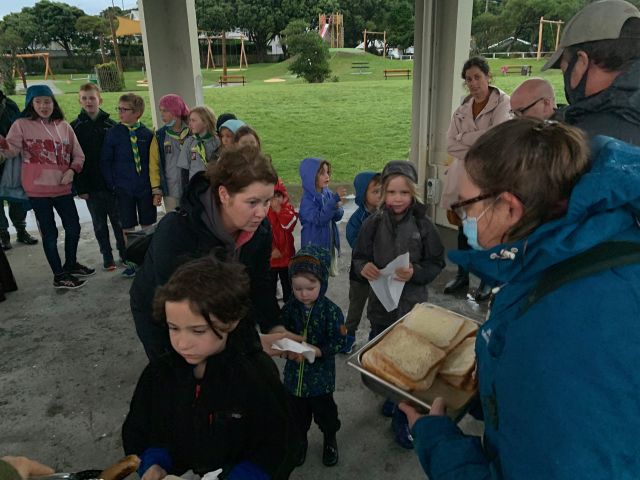
End of Term 1 combined Group BBQ and fun night
- Brooklyn Scout group
- In the face of (heavy) showers and shortening daylight, we managed to eat over 100 sausages at Shorland Park, Island Bay – while getting to know whānau and playing some games!
- Accepted from Brooklyn Scout group feed by feedreader
- Tagged as:
- island-bay
Scout Hall, Harrison Street, Brooklyn, Wellington, Wellington City, Wellington, 6021, New Zealand (OpenStreetMap)
-
-
-

Information for Race 1 of the HT Series now available
- Hoe Tonga Pacifica Waka Ama Association
- Check out the details for the first race of this year’s Series, available at https://hoetonga.co.nz/2022/04/13/hoe-tonga-paddler-series-2022/. The race is hosted by Tunui / Tai Tonga, and will be held at Evans Bay, Wellington.
- Accepted from Hoe Tonga Pacifica Waka Ama Association news by feedreader
- Automatically tagged as:
- boating
-
-
-

Weekly Bulletin: Staying connected as a church - 1 December 2024
- St John's in the City
- Kia ora St John’s whānau, This weekend we meet together as usual on Sunday to worship at 10am.
- Accepted from News - St John's in the City Presbyterian Church by feedreader
- Automatically tagged as:
- religious-groups
St John's, Willis Street, Te Aro, Wellington, Wellington City, Wellington, 6011, New Zealand (OpenStreetMap)
-
- 1
- 2
- 3
- 4
- 5
- 6
- 7
- 8
- 9
- 10
- 11
- 12
- 13
- 14
- 15
- 16
- 17
- 18
- 19
- 20
- 21
- 22
- 23
- 24
- 25
- 26
- 27
- 28
- 29
- 30
- 31
- 32
- 33
- 34
- 35
- 36
- 37
- 38
- 39
- 40
- 41
- 42
- 43
- 44
- 45
- 46
- 47
- 48
- 49
- 50
- 51
- 52
- 53
- 54
- 55
- 56
- 57
- 58
- 59
- 60
- 61
- 62
- 63
- 64
- 65
- 66
- 67
- 68
- 69
- 70
- 71
- 72
- 73
- 74
- 75
- 76
- 77
- 78
- 79
- 80
- 81
- 82
- 83
- 84
- 85
- 86
- 87
- 88
- 89
- 90
- 91
- 92
- 93
- 94
- 95
- 96
- 97
- 98
- 99
- 100
- 101
- 102
- 103
- 104
- 105
- 106
- 107
- 108
- 109
- 110
- 111
- 112
- 113
- 114
- 115
- 116
- 117
- 118
- 119
- 120
- 121
- 122
- 123
- 124
1411 - 1440 of 3694
Matching websites
-
-
Shandon Golf Club
- The Hidden Treasure of Wellington Golf, Shandon Golf Course presents a beautiful and challenging par 70, 18 hole course.
- Tagged as:
- golf
- petone
Shandon Golf Course, Adelaide Street, Petone, Lower Hutt, Lower Hutt City, Wellington, 5012, New Zealand (OpenStreetMap)
-
-
-
SwimWell
- SwimWell offers year-round swimming lessons for children aged 5 months to 18 years — with a choice of four pools in Wellington.
- Submitted by tonytw1
- Tagged as:
- swimming
-
-
-
Capital City Preschool
- Capital City Preschool is a non-profit Preschool providing education and care for Preschool children aged 3-5 years, for over 18 years.
- Submitted by tonytw1
- Tagged as:
- preschool
Macdonald Crescent, Te Aro, Wellington, 6011, New Zealand/Aotearoa
-
-
-
J Street
- Opened in October 2000, J Street is an 18 storey purpose built serviced apartment complex right in the heart of Wellington's Central Business District.
- Tagged as:
- accommodation
-
-
-
Te Marua Golf Club Inc
- Te Marua Golf Club is an 18 hole A-grade Course with a rural atmosphere situated five minutes drive from the Upper Hutt City Centre.
- Tagged as:
- hutt-valley
- golf
-
-
-
Hutt Theatre School Inc
- Hutt Theatre School is dedicated to the development of basic theatre skills, self confidence, imagination and telerance. The School runs classes for children from the ages of 6 through to 18.
- Tagged as:
- theatre
-
-
-
Britannia Sea Scouts
- Britannia Sea Scouts is a Sea Scout group based in Evans Bay Wellington that caters for youth from all over the Wellington region. We have sections for all youth from 6 to 18.
- Submitted by tonytw1
- Tagged as:
- boating
- community-groups
Britannia Sea Scouts, 421, Evans Bay Parade, Hataitai, Wellington, Wellington City, Wellington, 6021, New Zealand (OpenStreetMap)
-
-
-
Wellington Underwater Hockey Association
- The Wellington Underwater Hockey Association or WUHA runs the Schools and Adults Club league, Mini Underwater Hockey Tournaments as well as Referee courses, Coaching Courses and Regional Teams at Under 18 and Elite Level.
- Tagged as:
- sport
-
-
-
Worser Bay School
- Worser Bay School is a state primary contributing school (Years 1-6) in Wellington???s eastern suburbs.
- Tagged as:
- primary
- worser-bay
-
-
-
Walk2Work Wellington 2009
- Be healthier, save money on petrol and parking fees and be friendly to the environment! Walk2Work on March 18, 2009 from 7am to 9am. Invite all your friends or colleagues to walk to work with you or meet up at the FRANK KITTS PARK, Jervois Quay.
- Tagged as:
- events
- fitness
-
-
-
T.S. Taupo Sea Cadets
- We're a youth organisation with a military flavour for 13-18 year olds (and 12 year olds in Year 9) based in North Wellington. Being part of the New Zealand Cadet Forces (NZCF) we provide a fun, challenging and safe environment for learning new skills and meeting new friends.
- Tagged as:
- boating
- community-groups
- kapiti
- wcn-hosted
-
-
-
Major Minors Children's Choir
- Based in Upper Hutt, we work with kids aged 4-18 who love singing. There are no auditions and our singers don’t need to be able to read music to join. We sing a wide variety of music including selections from movies, musicals, Disney, jazz, pop and classical songs suitable for kids’ voices.
- Submitted by tonytw1
- Tagged as:
- singing
- upper-hutt
-
-
-
Brooklyn Community Centre
- The Brooklyn Community Centre is managed by the Brooklyn Community Association (BCA). Whereas most community centres are owned by Wellington City Council the Brooklyn Community Centre is owned, run and maintained by the BCA. The Wellington City Council owns and maintains the Community Centre grounds and play equipment at 18 Harrison Street.
- Tagged as:
- brooklyn
Brooklyn Community Centre, McKinley Crescent, Brooklyn, Wellington, Wellington City, Wellington, 6021, New Zealand (OpenStreetMap)
-
-
-
Wellington Youth Choir
- The Wellington Youth Choir is an auditioned group of singers aged 18-25, based in Wellington, New Zealand. The choir is made up predominantly of university students and young professionals, and rehearse once a week on a Tuesday evening. They are a capable group that performs regularly during the academic year, in and around the Wellington region.
- Submitted by wellynews
- Tagged as:
- singing
-
-
-
Miramar Links
- Expect to use almost every club in your bag when you play a round at Miramar Links. But whatever your handicap is, this is a club that combines sport and relaxation in a modern centralized setting. Conveniently located near Wellington International Airport , Miramar Golf Club hosts both a challenging 18 hole golf course and some of the most modern clubhouse facilities in New Zealand.
- Tagged as:
- miramar
- golf
-
-
-
Wellington Tennis Club
- The Wellington Tennis Club has great facilities with four astroturf courts and night lights. We run fun and social club sessions for senior members on Sunday afternoons from 1:30pm, Wednesday mornings from 9:30 and Wednesday evenings from 6:30pm.
- Tagged as:
- newtown
- tennis
-
-
-
T3 Track Blog
- T3 track or Technical Torture Trail will link the top of Vertigo and the top of Trickle Falls. The track will be two-way and is designed to be grade 5 techical downhill and a grade 5-6 technical uphill. The track will contain between 16 and 18 manmade and natural obstacles along the way. The track will hopefully be something that people can hone their skills on and attack with the attitude of "I'll clear it this time"
- Tagged as:
- makara
- blogs
- cycling
-
-
-
The Crazyman multisports race
- 1 May 2005. Established in 1990, the Kathmandu Crazyman is one of New Zealand's longest running multisport events and has attracted as many as 480 participants. Participants enter as individuals or teams in either the full multisport format (run/mountainbike/kayak) or as duathletes (run/mountainbike).
- Tagged as:
- events
-
-
-
Kapiti softball Club
- We cater for all grades from Premier ! down to under 7 schoolchildrensWe are at present looking for a premier 1 men's coach and a pitcher for the sameAlso coaches for Pemier 2 men's and Women'sAny one looking to play can contact the Club Captain any time.
- Tagged as:
- kapiti
- softball
- wcn-hosted
-
-
-
Pukerua Bay Residents Association
- Pukerua Bay is a small sea-side community at the southern end of the Kapiti Coast, New Zealand. In local government terms it is the northernmost suburb of Porirua City, 12 km north of the Porirua City Centre on State Highway 1 (SH1), and 30 km north of central Wellington.
- Tagged as:
- wcn-hosted
-
-
-
Mt Victoria Historical Society
- The Mt Victoria Historical Society was founded in 1996. Our key aims are: 1. To encourage the protection of the natural and built heritage of Mount Victoria. 2. To research and record the history of Mount Victoria, and share it with others. We regularly run events and host talks on the history of Mt Victoria and Wellington.
- Tagged as:
- local-history
- mount-victoria
- wcn-hosted
-
-
-
Porirua Hospital Museum
- The Porirua Hospital Museum and Resource Centre is housed in F-Ward, built in 1909 as part of the Porirua Hospital campus. It records the history of the development of mental health services in New Zealand from what can be considered their inception in 1844. The Museum, a Category 1 historic place, contains a collection of artefacts from the history of Porirua Hospital, including its time as a psychiatric facility.
- Submitted by tonytw1
- Tagged as:
- museums-and-galleries
- health
- porirua
-
-
-
The Thistle Inn
- The Thistle Inn was built in 1840. she is the oldest hotel in NZ still trading from the original site. In July 1866 she was burnt to the ground but by December the same year she was back operating. You will see the original beer cellar through the glass floor. She is a Category 1 historic place building and was completely restored in 2004 (as close as possible to how she was in 1866).
- Submitted by tonytw1
- Tagged as:
- heritage-buildings
- bars
- thorndon
-
-
-
San Antonio School
- Welcome to our school …. We’re the “Little School with the Big Heart!” San Antonio is a Roman Catholic Integrated Primary School for girls and boys from Year 1 to Year 8. The school is situated in the beautiful seaside village of Eastbourne, New Zealand. Eastbourne is located on the Wellington Harbour and has a population of 6000 people. The small size of the school fosters the development of a warm and close school community where families interact often and meaningfully. San Antonio’s special character is evident throughout the school in particular in the positive behaviour and attitudes of the children.
- Tagged as:
- eastbourne
- primary
- catholic
- wcn-hosted
-