Search / “Untitled Oasis Documentary HDTV x264”
Matching Newsitems
-
-

Man Lessons: The Live Show
- Bats Theatre
- Over the past six years, a feature length documentary has been in production following Adam Rohe’s transition. Now – you are invited behind-the-scenes. A visually stunning, live exposé adventure into an already intimate and earnest film.
- Accepted from Bats Theatre openings by feedreader
- Automatically tagged as:
- theatre
BATS Theatre, 1, Kent Terrace, Mount Victoria, Wellington, Wellington City, Wellington, 6011, New Zealand (OpenStreetMap)
-
-
-
Thin Ice secures United States television deal
- Victoria University of Wellington
- Thin Ice, the award-winning documentary about global warming made in collaboration with Victoria University of Wellington, will air on public television stations across the United States later this year to coincide with international debate around emissions reduction.
- Accepted from VUW News feed
- Automatically tagged as:
- kelburn
- victoria-university
-
-
-
Something smells like fish
- The Wellingtonista
- For those of you who've never heard of Nanook, Thursday night's screening at the Film Archive is unmissable. Widely considered the first feature length documentary ever made (shot in 1922) it's an exceptional account of Inuit life on the ice.
- Tagged as:
- cinema
-
-
-
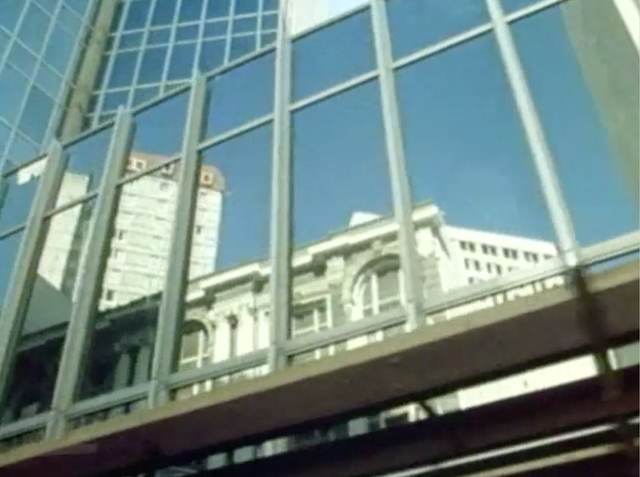
Hometown Boomtown Film Screening and Discussion
- Toi Pōneke
- Come along to a film screening of the documentary "Hometown Boomtown" (dir. John Reid, 1984, 48mins), which explores the major changes that took place in urban Wellington in the 1970s and 80s. The screening will be followed by a discussion event. Read more
- Accepted from Toi Pōneke Events by feedreader
- Automatically tagged as:
- toi-pneke
Toi Pōneke Arts Centre, Footscray Avenue, Mount Cook, Wellington, Wellington City, Wellington, 6040, New Zealand (OpenStreetMap)
-
-
-
Special screening of The House Within on 21 July
- Randell Cottage Writers Trust
- The Friends of Randell Cottage invite you to a special film evening at the Light House Cuba on 21 July featuring the acclaimed documentary on the life of Dame Fiona Kidman, whose latest poetry collection, The Midnight Plane, has just been launched.
- Accepted from Randell Cottage Writers Trust news by feedreader
- Automatically tagged as:
- art
- books
- thorndon
Randell Cottage, 14, St Mary Street, Wellington Central, Wellington, Wellington City, Wellington, 6140, New Zealand (OpenStreetMap)
-
-
-
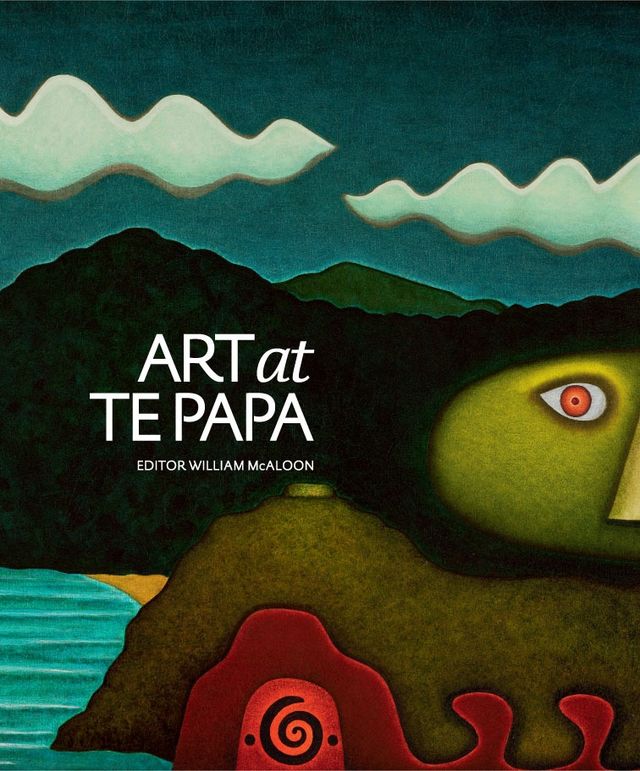
The big art book
- Te Papa's blog
- Art at Te Papa - coming soon. Hi there, I’m William McAloon, Curator of Historical New Zealand Art here at Te Papa. Over the last couple of years I’ve been working on a big book on Te Papa’s art collection. Art at Te Papa features over 400 works, from the 15th century to the present day. The cover star is Michael Illingworth’s painting Untitled, 1971. The book is due out in
- Tagged as:
- books
-
-
-
“A Home of My Own”
- Wellington City Mission
- Having been priced out of the Wellington suburb she called home, Teiti spent months living outdoors. Now at Te Ō, and with a beautiful documentary under her belt, she shares... Read more » The post “A Home of My Own” first appeared on Wellington City Mission.
- Accepted from Wellington City Mission News by feedreader
- Automatically tagged as:
- community-groups
-
-
-
This job is pretty rubbish
- The Wellingtonista
- Remember when rubbish collectors used to come up and collect from your bins at the back of the house, even when you lived up big steep pathways? Good times. Anyway, here's a mini documentary called Dusties from NZ on Screen for your Friday afternoon viewing. Enjoy!
- Automatically tagged as:
- blogs
- featured
-
-
-

SEEN: The Film - A Te Aro School Fundraiser | Vogelmorn Upstairs
- Vogelmorn Community Group
- This is a fundraising event for an outdoor learning space for Te Aro School children. Be part of an inspiring and thought-provoking afternoon as we screen SEEN: The Film, a powerful documentary exploring the long-term impact of childhood trauma and the journey of healing to create stronger, healthier families.
- Accepted from Vogelmorn Events - Vogelmorn Community by feedreader
- Automatically tagged as:
- brooklyn
- community-groups
Vogelmorn Bowling Club, Mornington Road, Brooklyn, Wellington, Wellington City, Wellington, 6021, New Zealand (OpenStreetMap)
-
-
-
Oh Baby, Baby
- The Wellingtonista
- Actor Stephen Bain and his miniature house This Friday and Saturday night, film maker Julie Hill (who’s name you may recognise from her work at Radio New Zealand and on Frontseat ) is screening the premiere of her documentary, Baby where are the fine things you promised me? at the Film Archive.
- Automatically tagged as:
- blogs
- featured
-
-
-

Tribes
- Circa Theatre
- Tribes In this 2010 article by Tribes playwright Nina Raine, she explains about her inspiration for the play. I first had the idea of writing Tribes when I watched a documentary about a deaf couple. The woman was pregnant. They wanted their baby to be deaf. I was struck by the thought ...
- Accepted from Circa blog feed HTTPS by feedreader
- Automatically tagged as:
- theatre
Circa Theatre, Taranaki Street, Te Aro, Wellington, Wellington City, Wellington, 6011, New Zealand (OpenStreetMap)
-
-
-
Cinephilia: Opening This Week
- The Wellingtonista
- First up, Lars and the Real Girl is delightfully odd indie starring Ryan Gosling as a lonely and damaged young man who finds love on the Internet. With a doll named Bianca. Paramount, Penthouse. Also at the Paramount, just for Wahine Week is a documentary about the disaster called The Wahine Disaster.
- Tagged as:
- cinema
-
-
-

Meet the Women Who Ride at Night
- Talk Wellington
- How do we make Wellington’s nights safer for all? The women who ride at night remind us that questions of liveability can’t just stop when the sun goes down. Vivian Ortiz is one of seven women who will be featured in an upcoming documentary all about women who cycle at night. Her experience has got...
- Accepted from Talk Wellington posts by feedreader
- Automatically tagged as:
- blogs
-
-
-

Hometown Boomtown: Wellington’s rush for reinvention
- Talk Wellington
- Back in the ’70s and ’80s, Wellington went through massive changes. Some were done in the name of general progress, and others in preparation for the next big quake. This fascinating documentary from 1983 documents it all. Hometown Boomtown documents the ways Wellington rapidly changed in the ’70s and early ’80s. It’s a fascinating look...
- Accepted from Talk Wellington posts by feedreader
- Automatically tagged as:
- blogs
-
-
-
AGM and film screening
- Low Carbon Kapiti
- On Monday 4 September 2023, we had our Annual General Meeting, followed by a film screening of a short documentary “We Can Produce Our Own Power”, produced by 350.org Aotearoa and featuring Kapiti Coast charity ‘Energise Ōtaki‘. Energise Ōtaki chairperson Leigh Ramsey gave a talk after, telling the group more about their solar array shown […]
- Accepted from Low Carbon Kapiti feed by feedreader
- Tagged as:
- kapiti
-
-
-

A Boy Called Piano - The Story of Fa’amoana John Luafutu
- Bats Theatre
- Award-winning Feature Documentary from The Conch A Boy Called Piano - The Story of Fa’amoana John Luafutu is about to be seen in the New Zealand International Film Festival - with screenings in Auckland, Christchurch, Wellington and Dunedin. Don’t miss the chance to see this historic story about intergenerational healing and redemption and participate in talanoa with the cast and creative team.
- Accepted from Bats news by tonytw1
- Automatically tagged as:
- theatre
BATS Theatre, 1, Kent Terrace, Mount Victoria, Wellington, Wellington City, Wellington, 6011, New Zealand (OpenStreetMap)
-
-
-
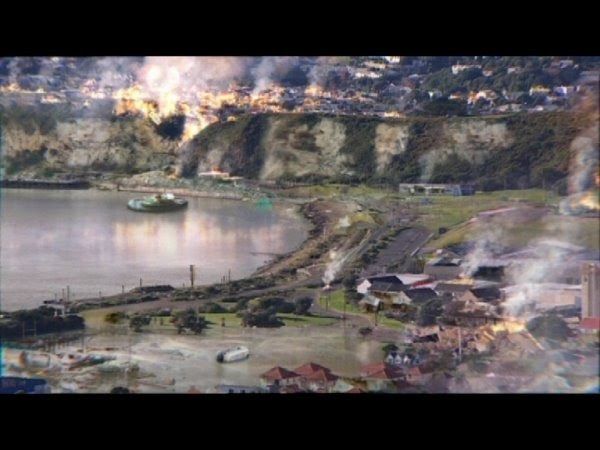
A MAJOR EARTHQUAKE IN WELLINGTON?
- Keep Crossways Community House
- “AFTERSHOCK” The Mt Victoria Civil Defence & Crossways Trust will screen this documentary by the Gibson Group at New Crossways on Thursday 4 December: 7.30pm Wellington sits on a dangerous active earthquake fault. This film visualises what would happen to Wellington if there were a major earthquake. Spend the evening watching this film and find out how you can protect yourself and your family
- Automatically tagged as:
- lobby-groups
- crossways
-
-
-
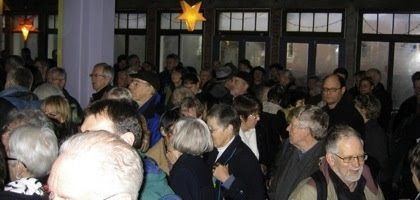
Lovely Rita a Massive Success!
- Keep Crossways Community House
- Residents from around Wellington made a big event of the special Crossways screening of “The Lovely Rita” at the Paramount Cinema on Sunday. The theatre was packed - more than 400 people attended - and the documentary was very warmly received. Gaylene Preston spoke before and after the movie, and said that the film had been more than 30 years in the making.The attendance of so many people was
- Accepted from Keep Crossways posts by feedreader
- Tagged as:
- crossways
- theatre
- wellington
- cinema
- people
-
-
-
Crossways movie fundraiser - Sunday 30 November
- Keep Crossways Community House
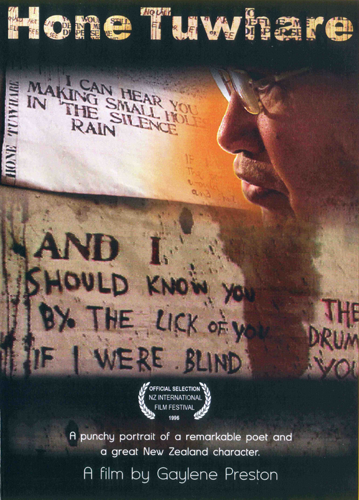
- 4pm at the Paramount Cinema, Courtenay Place$20 Adults, $10 Children The New Crossways Community Trust is running another of its hugely popular movie afternoons - This time it's the Gaylene Preston documentary of one of New Zealand's most acclaimed poets, Hone Tuwhare, who died at the beginning of this year. The movie will be introduced by some readings of Hone's poetry, and Gaylene will talk
- Automatically tagged as:
- lobby-groups
- crossways
-
-
-
HONE TUWHARE - Crossways movie fundraiser THIS SUNDAY
- Keep Crossways Community House
- Due to the popularity of this screening, we will be holding two screenings this coming Sunday at the Paramount Cinema; 4pm: $20 Extremely limited tickets - email us if you are interested Includes: Talk from Gaylene Preston, readings of Hone's poems, short film of Hone's poem 'drunk' and the documentary itself "Hone Tuwhare - No Other Lips' 5.30pm: $15 - Tickets available - email us if you are
- Automatically tagged as:
- lobby-groups
- crossways
-
-
-
Cinephilia: Opening This Week
- The Wellingtonista
- It's a busy week at the Paramount: exclusive seasons of Atom (The Sweet Hereafter) Egoyan's new drama Adoration and the documentary The Spirit of the Marathon started today along with a shared season of Al Pacino Shakespearean vehicle The Merchant of Venice. Pacino plays Shylock, and fans of his Richard III doco Looking for Richard will already know Pacino's facility and enthusiasm for Shakespeare
- Tagged as:
- cinema
-
-
-
Weekly Wrap Up (Week 10, Term 2)
- Wellington High School
- Important Dates Monday 29 June: Open Evening Wednesday 1 July: Music Evening please note change of date Friday 3 July: End of Term 2 Monday 20 July: Start of Term 3 Wednesday 22 July: Parents Evening (Senior Students) Monday 27 July: Parents Evening (Junior Students) Prime Minister Jacinda Ardern visits WHS Last Friday, as part of the Creatives in Schools initiative, which is enabling our He Kākano students to work with the Royal New Zealand Ballet, our Prime Minister, Jacinda Ardern visited WHS. This visit presented the opportunity for the Prime Minister to announce an additional $4 million for the project which will ultimately enable students from 500 NZ schools to work with professonal artists and creative practitioners, benefiting from their specialist artistic knowledge and creative practices. Thirteen of our He Kākano students are involved in the programme which is aimed at enhancing student wellbeing and improving their ‘core competencies in communication, collaboration and creative thinking’, as well as inspiring awareness of careers in the arts and creative sectors. As part of the visit He Kākano shared what they had learned prior to lockdown, demonstrating fantastic memory of their routines and great coordination too. The Prime Minister also met students passionate about the creative arts, taking time to talk to them about their interests and talents. Important information Breakfast club We are pleased to announce that we are opening up a Breakfast Club at the school from the start of Term 3. This will run in the canteen each day and will be free to any student who wishes to start the a nutritious bowl of Weetbix. Resources for your mental health Melon Manual is a kete of resources specifically for teenagers’ emotional wellbeing. Supported by the Ministry of Health, the website provides videos and worksheets and advice to support the young people of Aotearoa. You can access the resources here Dyslexia – How you can help WHS Community Education Centre has a 2.5 hour talk with expert Mike Styles, on Dyslexia – How You Can Help. This is an interactive and participatory session to assist parents and loved ones understand and support a family member or friend who has dyslexia or a similar learning difference. Wednesday 24 June – 5.30pm-8pm $20 Call 04 385 8919 to enrol or go here: https://www.cecwellington.ac.nz/w/courses/1506-dyslexia-how-you-can-help Now that we are at alert Level 1, CEC courses are back up and running with a wide variety of courses on offer. To find out more, and enrol, click on the image below of visit cecwellington.ac.nz. What’s happening? He Kākano hard at work This week the He Kākano students have been busy in science, art, fashion and design classes. Achievements DocEdge documentary success Contratulations to Year 10 Sky Gobbi who has secured 3rd place in the DocEdge Student Short Documentary Competition last week. Now that it has had its premiere, Sky’s documentary can be shared. To view, click on the image below or visit https://youtu.be/jVdvCoy9TSY.
- Accepted from WHS news by feedreader
- Tagged as:
- video
- music
- health
- design
- wellington
- education
- art
- fashion
- people
Wellington High School, Taranaki Street, Mount Cook, Wellington, Wellington City, Wellington, 6011, New Zealand (OpenStreetMap)
-
-
-
New Zealand International Film Festival 2014
- The Wellingtonista
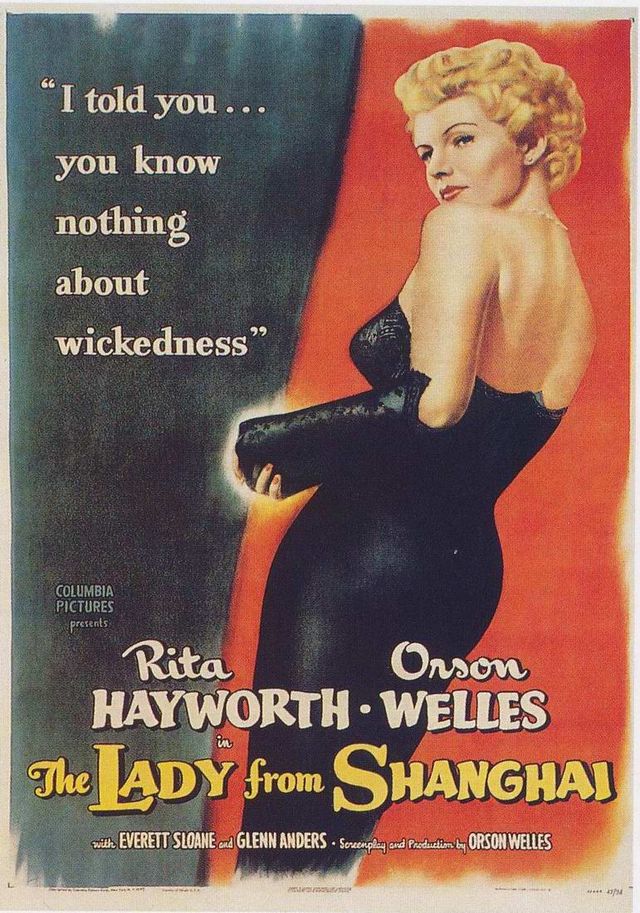
- It’s less than 2 weeks till The Wellington round of the New Zealand International Film Festival Typical Wellington behaviour at this time often includes - Courtenay Place place being full during daylight hours - people taking no lunch breaks to allow for an extra long lunch break to catch a film - taking a day off work to see 4 films in a row - Taking 2 weeks off work to spend the time in a darkened cinema - Catching up with people you only see once a year at film festival - taking mini trips to other Cities just to see films you missed in Wellington - excessive listening to the Rancho Notorious podcast to see what Dan or Kailey think of a film or special watching tips - running between the Paramount and the Embassy to catch a film - eating while standing in line for a film - trying to guess which film will come back when caught in a timetable dilemma In light of what will be a wonderful 2 weeks in Wellington, here’s our personal tips for what to catch during the festival. Also trust us if you can see something at Film Festival see it at Film Festival. Don’t wait for a film to return, for Video on Demand. nothing beats the big screen and nothing beats a big screen filled with fellow film fans, even worse the returning film might be something edited down for timing or some other stupid reason. Heather C Aunty and the Star People – inspiring, uplifting and she’s a local. Beauty and the Beast – one of the great original classic fairytales which looks to have amazing detail.. Beloved Sisters – for the emotion and passion of two centuries prior. Tom Beard REALITi: While NZ doesn’t have a stellar track record for science fiction movies, Chad Taylor and Jonathan King make an intriguing team that should bring dark, literate menace to this existential dystopian thriller. Particle Fever: Themes don’t come much bigger than the nature and fate of the universe, so this documentary about the Large Hadron Collider and the search for the Higgs boson should appeal to more than just physics junkies. Goodbye to Language 3D: Godard infamously said that “a film should have a beginning, a middle and an end but not necessarily in that order”. He continues to throw out the rules, not just for the 3D technology normally reserved for popcorn fodder, but for language itself. Tom Ackroyd Boyhood. Because of the idea of the lead aging from 6 to 18 over the course of the story, and because it’s a Richard Linklater picture. Hard to Be a God. Never heard of the director but the NZIFF write-up is irresistible. Under the Skin. Jonathan Glazer’s long-evolving back catalogue points to him eventually doing something extraordinary and I’m hoping this is it. Runner-up: Is the Man Who is Tall Happy? I’m a Michel Gondry nut. He can do no wrong. I actually have a crush on him. Sue Tyler The Tale of The Princess Kaguya – for what is film festival without a Studio Ghibli film National Gallery – behind the scenes at the national gallery, it looks like all the things i crave in a documentary The Lady from Shanghai - I love the old restored films that are brought back every year. I still remember the year Rear Window played at The Embassy and despite having seen that film on video many of times it blew my mind. So to not see anything Orson Welles would be a crime against cinema Bonus Track The Kingdom of Dreams and Madness – behind the scenes at Studio Ghibli the year that Miyazaki Hayao was completing his last film The Wind Rises and Takahata Isao worked on The Tale of Princess Kaguya The post New Zealand International Film Festival 2014 appeared first on The Wellingtonista.
- Accepted from Wellingtonista Blog Feed
- Automatically tagged as:
- blogs
- featured
-
-
-
Ngā Kōrero – Latest Stories from DCM
- Downtown Community Ministry
- Ngā Kōrero – Latest Stories from DCM Ngā Kōrero – Latest Stories from DCM communities where whānau are housed, connected, valued and thriving About Us Contact A Message From Our Manahautū He Rā Ka Huri: Seasons Change, Our Purpose Remains Stephen Turnock, Manahautū (Director) at DCM Tēnā koutou katoa, As the seasons shift once again, I find myself reflecting on just how much change we’ve witnessed lately, not only in the weather, but across our communities, sector, and Aotearoa. Like the turn from summer to autumn, some changes are expected, while others arrive quickly, bringing with them a sense of uncertainty. This changing environment is being felt deeply across the community sector. Policy directions are shifting, funding decisions are pending. Many of us are operating in a space where the future feels less certain than before. At DCM, this has real impacts. The security of our contracts, the continuity of our mahi, and the wellbeing of our kaimahi (staff) are all front of mind. And it's not just our sector, every day we see how these pressures are being experienced by whānau across Te-Whanganui-a-Tara: the cost of living, the struggle to find and keep a safe place to live, and the weight of navigating systems that often don’t work for them. Change is constant, but for many, it doesn’t always feel like it’s moving in the right direction. In the face of this, we ground ourselves in what remains constant. Our commitment to whānau-led support, our belief in housing as a human right, and our dedication to walking alongside those doing it tough. No matter the season, our purpose stays the same. And we want you to know, we have a plan. Even in a time of shifting sands, we’re clear on our direction. We’re committed to building on what works, data-informed insights, whanau-centred practice and courageous leadership. And we know we can’t do this alone. It’s through community collaboration, with whānau, with partners, and with people like you, that real solutions are found and created. So as the leaves begin to fall and we prepare for the colder months ahead, we do so with determination, with hope, and with deep gratitude for your continued support. You are part of this journey, and together, we will keep working towards a city where everyone has a place to stand. Ngā manaakitanga, Stephen Turnock Finding An Oasis At DCM I was homeless and running around the country before I came to Wellington. I was drinking heavily. I was an alcoholic. My mental health issues hadn’t been diagnosed, so I was unmedicated and pretty messy. Before that I was in Christchurch. I got made redundant, and then I had nothing to do. I started drinking, getting into hard drugs, getting in trouble. I made a lot of people mad and I had to leave. I just wanted to hide somewhere and drink. That was my plan. It’s crazy I kept drinking even when I was that sick. I knew I was sick, but the need for alcohol was stronger than any concern I had for my own safety. I was housed out in the Hutt maybe six or seven years ago, not by DCM but someone else. They put me there to get me out of Wellington, away from the drinking. But I still drank sometimes. Then I got told my liver couldn’t take it anymore. They said it was no good. That changed everything. I had to stop drinking, and that changed my life completely. I couldn’t fill the voids with alcohol anymore. I had to deal with stuff. Face my demons. And it was too much, really. I ended up needing medication. There was nothing like DCM out in the Hutt then. I came back into town because there’s more here, and DCM is a hub that has everything I need. I’ve been coming here every day, every week, for as long as I’ve been back in Wellington. DCM has supported me in all sorts of ways. I come here for coffee, for health, for dental, and they make sure I get to my appointments. Te Aro Health and the nurse let me know if the doctors want to see me. It’s amazing that everything is just here. And yeah, I get food from DCM. It’s good to know it comes from people I know, not some stranger. It keeps it in the whānau, you know? I don’t eat much. Once a day is usually enough to keep me going. I used to be a good cook, but I’ve lost all interest in it. Cooking for one is boring. Food is just something I put in myself now. The DCM staff are even trying to get more fruits and vegetables into me. I’ll eat it if it’s put in front of me, but I won’t cook it. I’m eating like an old man now. DCM hasn’t given up on people, not like other places have. That’s what surprised me. DCM is an oasis and people rely on this place. If they weren’t here, there’d be nothing for us. We’d be eating out of rubbish bins. "DCM is absolutely brilliant because it’s saving people in Wellington. It’s keeping people alive. Without this service, people would be lost. They’d just be lost." These days, I guess, I’m mostly just working out what life looks like until I die. That’s what concerns me now. My health isn’t great. I don’t know how long I’ve got, but I’m trying to be all right until then. If you’re struggling, don’t stop yourself. Get to DCM. If they see the need, they’ll help. I fully recommend it to anyone in Wellington who needs support. Spotlight on Lynda: Fundraising For Hope Lynda McGregor, owner of Little Bread Loaf, wears many hats. She runs a small artisan bakery in Lower Hutt where everything is made from scratch, a busy café in Miramar, works in fresh produce markets, and does catering too. Yet despite her full plate (pun intended), Lynda makes time to support DCM. Her connection with DCM began when she saw one of our Instagram posts calling for donations. “It really moved me,” she says. “I just thought, we can all do something to help our community. It’s not about pity, it’s about showing up and helping.” Lynda shared the post, a conversation followed, then a tour, and she soon found herself organising her first foodbank collection for DCM at Little Bread Loaf where she and her community raised over 200 cans of food. “I’ve always known about DCM and the work you do. I know you don’t get as much funding as the bigger charities, and I felt I could add value here in a way that would make a real impact.” Supporting DCM wasn’t a random choice. It aligned with Lynda’s values. “My mum always tithed. She gave a portion of what she had or her time to help others. I’ve always tried to do that too. I’m not religious, but giving back is a part of who I am.” She’s also realistic. “In the charity sector, it’s often the causes that are more ‘attractive’ that get attention". But DCM, she says, offers something deeper. “I truly believe that nobody wakes up wanting to be on the street. DCM works with some of the most vulnerable people in Wellington and you stay constant, even when others would walk away. The whānau you support can keep coming back for coffee, a chat, or whatever they need and you are always there for them.” For Lynda, donating food is not about charity. It’s about manaakitanga. “If the food isn’t good enough for me to eat, I won’t bring it in. What I give has to be mana enhancing; for DCM, for me as the maker, and for anyone who receives it. I want people to feel dignity when they receive something from me.” She adds that contributing makes her feel good too. “It feeds my soul. I do this for selfish reasons because it makes me happy and brings me joy.” Lynda has seen the challenges facing our communities and the pressure DCM is under. “It makes me sad to see the foodbank shelves so bare. You’re doing incredible work, and so much of it comes from heart. You can tell that your team is here because they genuinely want to be of service.” She believes anyone can make a difference and her hope is that more people and businesses will step up.. “You don’t have to give a lot. A couple of cans, a few dollars, whatever you can manage. That small act might have a huge impact on someone’s day." She adds, "It’s not about changing someone’s whole life. It’s about easing their path just a little. It’s about giving someone a little hope.” We are so thankful to Lynda, and our other wonderful supporters, for standing with us. DCM is proud to work alongside people who care so deeply about making Wellington a city where everybody has a place. This year, we are running a Foodbank Appeal Week from 17 to 24 May, and we are inviting the community to help us to continue to provide essential food support to Wellington’s most marginalised residents. There are many ways you can get involved. You could host a food donation box at your workplace, school, or church, run a fundraiser for DCM, or, if you would like to support us financially, you can do so by clicking the button below. Support DCM Copyright © 2025 DCM. All rights reserved. Our mailing address is: DCM Wellington, 2 Lukes Lane, Te Aro, Wellington Want to change how you receive these emails? You can update your preferences or unsubscribe from this list.
- Accepted from DCM alerts archive by feedreader
- Tagged as:
- miramar
- lower-hutt
Lower Hutt, Lower Hutt City, Wellington, 5010, New Zealand (OpenStreetMap)
-
-
-
The artist as many other things first
- Urban Dream Brokerage
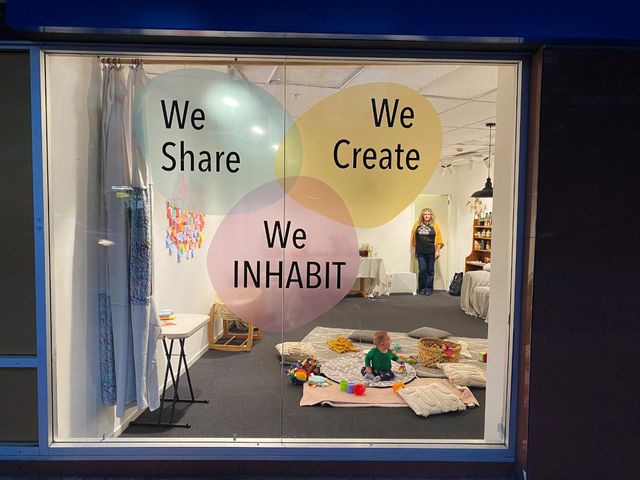
- Holly McEntegart in conversation with Anne Noble, facilitated by Mark Amery <figure class=" sqs-block-image-figure intrinsic " > Image: Anne Noble Merging her work as an artist, mother and full spectrum doula, Holli McEntegart recently brought something remarkably different to the bustle of Wellington’s Courtenay Place, in an exploration of art as a social practice. Providing a warm, calm space for participation, Inhabit brought together mothers and their infants to examine how community, cultural and whānau postpartum care has changed in Aotearoa, sharing experiences in real-time and as oral history. A private issue was brought into a public realm. Rethinking the artist’s role in society, McEntegart was supported by artist Anne Noble in a project commissioned by Letting Space for vacant space activators Urban Dream Brokerage. McEntegart now has plans to bring the project to Auckland. Here are Holli and Anne in conversation. Mark Amery Anne Noble: Letting Space and Urban Dream Brokerage have made a really remarkable contribution to the Wellington art scene. Letting Space positioned itself as an entity that sits outside the conventional domain of the gallery, where the artist is mostly defined e as a producer of objects and artefacts. They offered an experimental space and an invitation to artists to expand the ecology of contemporary art and provide support for them to provide a new kind of experience for communities and publics to engage with contemporary art I see Inhabit as a perfect example of the kind of project that Letting Space and Urban Dream Brokerage were established to nurture, enable and support. When I first thought about your ambition for Inhabit: to marry both your practices as an artist and a full spectrum doula, one of my first questions was about the expanded role of the artist in a social practice. How is your work first and foremost art while being shaped by other practices and concerns? What came to mind was a book [^1] I’ve had on my bookshelf, which has on its cover The Artist As followed by a list: that includes such descriptors of the artist as .. producer; the artist as… archivist; the artist as… ethnographer; the artist as… catalyst; the artist as… orchestrator; the artist as… poet; the artist as… curator. And it ends with this really beautiful phrase in capital letters: AND MANY OTHER THINGS FIRST. This points to the fundamental premise of your art practice - driven and formed by another whole domain of expertise, professional practice, experience and activist concerns. <figure class=" sqs-block-image-figure intrinsic " > Image: Anne Noble | Infant massage with Jo Chambers. From left: Megan Rodgers and Jasper, Jo Chambers from Blissful Bubs You define yourself as a social practice artist but you also practice as a full spectrum doula. How did you arrive at the idea of merging your practice as an artist with your life as a mother, your interest in the post-partum experience and your activism in this space? Holli McEntegart: You and I talked a lot about the artist as a conduit; or as activator. As a young artist I was always really interested in capturing images of moments that had complicated stories behind them. I realised that my interest was often more in the story; how we got to this point; the full stop. The work was always, for me, in the negotiation of getting to that image - with the image itself feeling lacklustre in comparison to that journey. Then when I moved to Pittsburgh to complete my Masters I found that there was a greater focus on social practice as a role for the artmaker. The driving need for me has always been to build relationships, and therefore community. So when I was taking photographs I would spend months getting to know people, navigating the permission, not just to be there, but to be accepted; to belong. I’ve joined every group under the sun! A loon (an aquatic bird) counting group in Maine, a porcelain painting group in Mt Albert, a bluegrass group, banjo club and a barbershop quartet in Pittsburgh, and a cake decorating group in Otara, to name a few. But I didn't feel like I had the right to be there unless I was really an accepted part of the community. That came to a head for me in Pittsburgh when I joined a semi-gated spiritualist community called Lily Dale, and began making work out of the readings they were doing for me. I would spend eight months with them before I could make that work. By the time I was living in New York there were many grants, residencies and galleries supporting a socially engaged framework of art making. My eyes were opened to the fact that this community exchange and the energy I was investing into relationship building was not only valid, it was the work.That really gave me permission to move past just documenting my work with photographs or videos and writing and to pull the focus back to the process, the making and the relationship tending. Research is a huge part of my process, whatever I’m working on I’m always off down a research tunnel. So, when I got pregnant in New York with my first child Arlo I went on a huge journey to understand pregnancy, birth and everything that was happening to my body. I discovered that in New York City, the maternal mortality rate in pregnancy, birth and early postpartum is astoundingly high, and that black women are 12 times more likely to die in childbirth than white women. OB’s are often pushing for a lot of unnecessary interventions within the hospital system and midwives are not as commonly used, though that is changing. I come from a family of home birthers in New Zealand, it was normalised and seemed like the obvious place for me to birth, but only around 1.5% of people give birth at home in the US, so it's quite a radical thing to do in that context. I was so lucky that I had a neighbour and friend who was training to be a midwife and was working as a birth doula. Through her I discovered this group of folks called doulas. I started learning about the role they play in birth work, about reproductive and birth justice advocacy, and about everything I was going to need to know to birth my baby at home while being supported by a midwife and doula team. <figure class=" sqs-block-image-figure intrinsic " > Image: Anne Noble New York City is so compact, we had a tiny apartment and I had a home studio. My son, Arlo, was born underwater, in a birth pool on my studio floor. At that point I had been working for some time within these spiritualist communities. I had been really delving into why people were seeking healing in these communities and what it meant to be constantly practising these healing rituals. Birthing my son in my studio was like an epiphany, I was on a healing journey myself and this was a part of the work. Birth was incredibly healing for me at that point in my life and then, like many people, postpartum was a completely different beast. Like most people experiencing giving birth far from their home and family, I just felt an intense lack of support from the world. And with that a deep loneliness. I was so homesick. My parents came to visit for two weeks which was incredible, but it went so fast. A few good friends showed up as best they could but I was living and working as an artist in New York, I didn’t know anyone with babies or even young kids. People are busy - for everyone else, life goes on. It’s the postpartum person that is stuck in stillness, but constantly working. It was a totally different world. You get the sense that everybody shows up for birth, everyones interested, you learn so much about pregnancy and childbirth, tracking the changes in your body all the way through to this kind of event, and then everyone leaves, and you’re left in charge of a human. It’s wild, uncharted territory and no-one’s told you that much, or what they have told you is irrelevant, biassed, outdated and sometimes even harmful. I longed for my family, mostly for my mum. I found myself floating out to sea, and there was a realisation that no one was going to rescue me - I had to rescue myself. And to do that I needed to dive even deeper into what was happening to me, go down that research tunnel again and find out what support there was in the world and how I could heal. That led to me doing Seen, a postpartum doula mentorship programme with Birdsong Brooklyn, and learning constantly - four or five months too late - what could have rescued me before I needed rescuing! It was eye opening and there was a lot of deep grief about the care I had missed out on, and the ways I could have been supported. I was diving deeply into the profoundness of becoming a mother and the reality of how much is lacking in the world in supporting new parents. I just fell in love with this idea that we could be healing collectively if we just looked after each other better and shared our knowledge. I built my community from that in New York in that first year of parenting. At that point I had been working for three years as the studio manager for an incredible artist, Janine Antoni, who is also a parent and understands that mothering work. It was a huge question for me: how do I keep working in the world as an artist, be able to show up as a mother and earn enough money to live? How do I juggle all of this and stay tethered to myself? I gave birth to my son when I was 38 and I was being called a geriatric mother by the medical system. It scared me. I wanted to breathe in my baby, just inhale him and not miss a second. But how do I do that and keep up my practice? Well… I just gave birth to my son in my studio…. It was these layers of realisation: this labour is the work. I have to reframe my life so that this labour of the home, the labour of care, of mothering, is seen and valued. So I left my job in the studio with Janine and went straight into postpartum doula training. I needed to be immersed in the community in the same way I had been with the spiritualists or the cake decorators or the bird counters in Maine. <figure class=" sqs-block-image-figure intrinsic " > Image: Holli McEntegart | Multiples Feeding Support Group. From left: Jessie Lee Broadbent, anon Anne: You have talked about your journey as a photographer engaging with communities, and how the outcome can be separated from those experiences that feel like part of the work. That is n true for many documentary photography projects.You’ve also described beautifully your dissatisfaction with being both outside a subject and yet needing to be right in the heart of it. The notion of a social practice artist is less common in New Zealand than in the US. It has currency in art schools, but my instinct when we first met and talked was that you have a really highly evolved practice in which you prioritise your relationship as an artist to the post-partum communities you engage with Your work begins with you your life as a mother and your practice as a doula being the site of public art activism, of making the post-partum world experience shared and visible. How have you then addressed the visibility of this as an artwork? You only need to look at the project website to see the level of community engagement and the number of people you have drawn into this space. It’s really significant. Those workshops - people flocked to them. But to make it public, visible to participants and to audiences how does that work? Holli: What comes first for me is the relationship, being a good community member and trust. I come at relationship building and getting people involved with their whole heart; with a genuine interest and respect. I have to have something at risk as well. Inhabit was a year in the making, but the day we opened, with a multiples lactation support workshop. We had six twin mums and probably six assistants or helpers, including grandmas, friends, lactation and doula support. That's 12 babies plus Indigo [Holli’s own baby]. Over 24 bodies breathing life into the space. That was the moment that the work became art; that it became an artwork. It was activated by the community of people in the room and their energy. Up until then there’s a lot of risk on my part because I don’t know who is going to show up and what they will bring on the day. The work is filled with intention but it has to meet people where they are and vice versa, and for that reason, it’s never the same, it evolves and unfolds and, much like mothering, I must surrender to it. I think I’m comfortable leaning into the unknown. Within a socially engaged practice you really don’t know how your participants or your audience (the public) are going to enter the work. I consider the folks facilitating workshops my co-creators. There were six months of emailing and zoom conversations about what I was making with that final group of people, so many conversations about what the community needed. And then there was a point when they came to me with a plan to set up this specific workshop for multiples families. They were asking for my permission, and I was overjoyed because, it was at that point that they took ownership and really began to have agency within the work. That was the moment when the community was activated, they started creating what they needed under the umbrella that I offered - this community activation was where the social practice aspect of the work really came into play. <figure class=" sqs-block-image-figure intrinsic " > Image: Milan Maric | Combined yoga and Infant massage workshop with Emma Chen Flitcroft and Jo Chambers I was coming to Wellington, into a community I’m not from, so I’m constantly asking myself, how do I leave this space better than when I got here? Within social practice I think there is a very real responsibility to care for the community you're working in and to make sure there are ongoing care agreements in that community. Everyone that provided a workshop for Inhabit offers free or sliding scale services that could continue to be accessed after Inhabit closed for example. Anne: That’s a beautiful description of the artist as catalyst. I’m very fond of the notion that when an artist plays those roles, the artist in a conventional sense disappears to become a generating and catalysing force Holli: I’m interested in the way my role shifted from facilitator to participant, or mother , or host. Hourly that changed. Originally I thought I would be facilitating some workshops but I didn't end up doing that because so many people wanted to facilitate their own. At the beginning of each workshop I would introduce the project and really ground it back into the context of an artwork, to remind people they were participating in something both bigger than them, but also inherently generated by them, and then I would participate alongside them. I was never an observer, I was a participant. I think it’s really important I have the ability to be part of what’s happening as opposed to being an outsider. Learning, participating and being vulnerable. That vulnerability permissions other people in the space to also be vulnerable. It’s not like, as you’re describing Anne, that ‘‘you’re the artist and you’re over there’ on a pedestal. The process is about me sinking back into the work. It’s a dance between making sure people feel like they are being held and acknowledged and the space is being tended to in the correct way, but not dominating it. <figure class=" sqs-block-image-figure intrinsic " > Image: Anne Noble Anne: As a public artwork, positioned in Courtenay Place, it was a really beautiful intervention with really subtle signage and this glowing light masked by a wall of handmade stitched together nappies! It offered a surprising encounter that was intriguingly signposted and people were welcomed to just stop and to consider what it might be - as a public art project. Sometimes I was amazed at the number of people participating and how the work created an opportunity for a community to assemble. How did you introduce participants to the process of being part of something for them but also part of something larger? Of being participants and collaborators in Inhabit as an artwork. Holli: That was definitely one of my biggest challenges. There were a couple of things I did practically. Even before Inhabit opened I worked very hard to centre the project in the community with this drawing project that involved - six Love Note posters that were plastered repetitively around the city in the two weeks leading up to our opening. I was documenting them in situ and sending images of them to people when they were signing up for the workshops as well as using them in social media. So there was a centring of it as an art project before they arrived. Most people had seen these drawings and then saw the wall of Love Notes growing on the wall when they came into the space. I introduced that as a collaborative drawing project and really impressed the importance of adding everyone's voice to that growing archive. <figure class=" sqs-block-image-figure intrinsic " > Image: Lily Dowd I constantly was re-centring it as an artwork in this way all the time, and encouraging the public to participate, reminding them of what they are a part of. I see the Love Notes as the beginning of an archive of postpartum stories - a collection. And that maybe this is how we start something: a movement, a book, an archive - we just have to start putting our stories on the wall. I think that grew really organically and became a way for people to gently be reminded of the fact that they were a part of an artwork, and then they forgot about it - which was great. Someone hands them a bowl of soup, nourishes them, checks in and makes sure they’re OK. Offers to hold their baby. and that energy of care flows into the space and people feel really comfortable. And that comfort was there in part because I was there visibly parenting, making the work. Creating a space that makes visible the lived experience of parenting, and artmaking at the same time. <figure class=" sqs-block-image-figure intrinsic " > Image: Anne Noble As it transpired there was very little foot traffic, and actually the space needed to be very protected, intimate and gate kept. So the curtain that I made really provided a level of intimacy. It is another drawing project I had been working on as a part of the show, but I didn’t quite know where it would fit. I’ve been collecting these used flat nappies. They are very identifiable, heavily washed and starched white cotton with a red stripe down the side. They are the kind of do everything cloth of motherhood. So representative of the labour of the home. Soaking up the mess of it all. I’ve been stamping all over them with my own mother at my kitchen table, “Ssshhhhhh sshhh shhh ssshhh shh shh shh…” On the first day of installation it was clear to me that we needed to be able to transform the space into a private, intimate one, and to open it up to the world. Sewing the nappies together to make a curtain was a wonderful way to create that boundary between public and private. And then at the end of the last workshop I was really inspired to “pull back that curtain” and be seen. I called you and asked you to document this moment of being seen in parenting and artmaking. It was such a moment of connectivity and community connection. There’s now two groups I believe that came together at Inhabit and are continuing to meet. It was great to cultivate this level of nurturance and community engagement in a place like Courtenay Place - buses, cars and people with so much going-to-work energy, once we pulled back that curtain I think people were taken aback by it “there are so many babies!” <figure class=" sqs-block-image-figure intrinsic " > Image: Milan Maric | Combined yoga and Infant massage workshop with Emma Chen Flitcroft and Jo Chambers Anne: Yes it was a brightly lit window that glowed like a little jewel! And was such a surprising experience walking by. You’ve described the artist as a generator and how there is a legacy for participants beyond the exhibition space. What were some of the highpoints during Inhabit and some of those legacies? Holli: The highest high was our opening, that first day. 13 babies in the space. One of the sets of twins was only five weeks old and it was their first time out of the house and their mum had driven an hour to get there, they spent all day with us. Any future Inhabit projects will always open with a multiples workshop because these folks are the least catered for within the system. The world was not made for people birthing two or three babies at a time… So to have this space where people were surrounded by support and advice and understanding. It was so magic and it was so clear there was a need for that. I think that in the current Covid climate people are feeling so much more isolated and unable to get out of the house. Opportunities for connection that were available to parents pre covid often aren't now, like community or library meetups and coffee groups. Many people were speaking of coming to Inhabit as the first time they’d been to a group outside the home, there is a lot of isolation and fear out there, and a deep lack in support services. A few people who weren’t parents had some very interesting interactions with the space as an artwork, which I found fascinating. Some really generative conversations came from them being confronted: that they were coming to a public exhibition, and were questioning ‘what is this?!’ I had very interesting conversations with other artists about what participation looks like when you’re not a parent. For parents their participation was organic but for others, it felt very different. They accessed it through my facilitation and it was interesting seeing them sink into comfort because they were being cared for; getting down on the floor and playing with Indigo. Having some soup, and learning about traditions of postpartum care and methodologies. I’m interested in pulling back the veil on this kind of care work because we can all benefit from learning how to tend to our communities and families. <figure class=" sqs-block-image-figure intrinsic " > Image: Milan Maric Another highlight was my involvement with Little Shadow. They run perinatal mental health support groups in the Wellington region and virtually across the motu. They were so supportive of this project. They really saw the power of what Inhabit created in offering an entrance point to conversations about perinatal mental health that are softer and more nurturing than how it’s often tackled when people are looking for support within a healthcare system. Inhabit provides nourishing food, a space to express yourself creatively, a place to move your postpartum body, and a room full of folks on a similar path. Once there, we are able to get into the nitty gritty of what we are all experiencing because the space itself is so tended to. Something that I repeat all the time is that I’m examining patterns of care, whilst caring for our communities. I want to decolonise postpartum care so that we may all gain the knowledge of how to care for each other. Then there was that final reveal, pulling back that curtain. I felt I was truly being seen as my whole self in the work. Before that point I was a shapeshifter facilitating everybody else's journey. But at that moment I was in my deeply creative space of making and mothering as I finished the project. It felt like closure and an answer to that question of how I can be an artist, make work and be a parent. It struck me how that question has deeply impacted my relationships with people and how I move in the world. In my first few days in Wellington I had a clear vision of that image we captured at the end. I saw the room glowing with light, semi dark outside and the interior being a place of making and of process. A gallery, and a living room and a studio and a feeding place. Where bums are getting changed, a place where all of life is happening at the same time. And that the public are walking past and peeking in. The labour of parenthood and of artmaking is usually so invisible. That moment at the end just felt like: let’s get it all on display! <figure class=" sqs-block-image-figure intrinsic " > Image: Milan Maric <figure class=" sqs-block-image-figure intrinsic " > Image: Milan Maric Anne: I love what you say about risk. Because if art doesn't involve risk it doesn't leave the opportunity for engagement - If it's there and says it all it doesn’t ask very much of people. The way both your processes of making and lived experience are entirely central to the work raises questions for people coming in off the street - challenging their notions about art - and confronts them with the invisibility of the post-partum experience. Can you talk about how Inhabit is an evolving work? How it’s more than a one-off event where communities come together and are potentially transformed. How is the website a part of the evolution of the work? Holli: If you are thinking about community engagement and looking at different types of communities' needs then you’ve got to move around those communities. My vision for Inhabit was always that it would move around the motu. One of the things I thought was important about the experience in Wellington was that it felt disruptive. It felt radical. It was an interesting way to inhabit vacant space in the CBD and disrupt a community. It ignited something that people were aware they needed, but no-one knew how to connect on and build. <figure class=" sqs-block-image-figure intrinsic " > Image: Anne Noble I think there’s a lot of power in Inhabit travelling around regionally and disrupting systems in ways that are really positive and ignite connection. I think of little things growing, sprouting. And of having this homebase of an archive online where we can collect and hold these postpartum stories and learn from what we’ve been doing here to better support communities. Anne: Thanks Holli - for the pleasure of being a small part of this project with you. Anne Noble (Laureate), ONZM, is a photographer and curator whose work spans still and moving image, installation and international curatorial commissions. Over multiple projects Annne Noble has considered the significance of memory and imagination to personal and cultural narratives of place and belonging.Holli McEntegart is an interdisciplinary artist using social practice, video, performance, photography and text. She holds a Bachelor of Visual Arts in Photography (NZ), and a Masters of Visual Art and Design from Auckland University of Technology (NZ), which included a one year MFA scholarship at Carnegie Mellon School of Art, Pittsburgh (USA). In 2014 she was an artist in residence at the Skowhegan School of Painting & Sculpture in Maine (USA). Her work has been performed and exhibited throughout the USA and New Zealand. In 2018 she trained as a Full Spectrum Doula after giving birth to her first son in Brooklyn, New York. Returning to Aotearoa in 2020, where she continues her work as an artist and as a Reproductive Justice Advocate. Holli is now an island named Mother to two boys, aged 4 and 9 months. <figure class=" sqs-block-image-figure intrinsic " > Image: Holli McEntegart | Multiples Feeding Support Group - From left; Anon, Georgie Manning, Jessie [^1]: Aileen Burns, Tara McDowell, and Johan Lundh, The Artist As Producer, Quarry, Thread, Director, Writer, Orchestrator, Ethnographer, Choreographer, Poet, Archivist, Forger, Curator, and Many Other Things First. Institute of Modern Art, Brisbane, Curatorial Practice at Monash University, Melbourne and Sternberg Press, 2018.
- Accepted from Urban Dream Brokerage Blog by feedreader
- Tagged as:
- brooklyn
- covid-19
- exhibitions
- libraries
Brooklyn, Wellington, New Zealand (OpenStreetMap)
-
31 - 55 of 55
Matching websites
-
-
Fernhill Motor Lodge
- 4 Star Plus Qualmark rating offers luxury accommodation in Wellington. The glassed over atrium located in the centre is a welcoming oasis. Luxuriously appointed motor lodge accommodation with modern décor, comfortable beds and some have spa baths.
- Tagged as:
- accommodation
-
-
-
The Unreal Film Co
- The Unreal Film Company in Wellington, New Zealand specialises in documentary television for corporates and broadcast
- Tagged as:
- film-and-video
-
-
-
Stephen Mackey - Photographer
- Contempary photography- specialising in editorial, documentary, commercial and performance photography. available for assignment in wellington and throughout New Zealand
- Tagged as:
- photographers
-
-
-
Jo Moore Photographer
- Jo Moore Photographer specialises in contemporary pet portraits, fine art photography, documentary and wildlife photography. We also offer affordable wedding photography.
- Tagged as:
- wedding-photographers
- art
-
-
-
Save the Basin Reserve!
- The Basin Reserve is one of the world's iconic cricket grounds, and New Zealand's oldest dedicated cricket pitch. It's an oasis of green space in the heart of the capital. But there is widespread community concern about the intention of three government agencies - the New Zealand Transport Agency (NZTA), the Greater Wellington Regional Council (GWRC) and the Wellington City Council (WCC) - to build a huge concrete flyover across the northern side of the Basin Reserve, destroying the atmosphere of the Basin Reserve forever.
- Tagged as:
- basin-reserve
- basin-reserve-flyover
- lobby-groups
- cricket
-
-
-
Docnz
- The Wellington season of the DOCNZ 2007 Documentary Film Festival screens from November 8-21 this year. Films will be screening at Hoyts Regent on Manners, Paramount, and the NZ Film Archive. Come along to selected screenings to meet local filmmakers. Films are from across the globe with a good handful made in Aotearoa.
- Tagged as:
- events
- film-and-video
- cinema
-
-
-
Docnz
- The Wellington season of the DOCNZ 2007 Documentary Film Festival screens from November 8-21 this year. Films will be screening at Hoyts Regent on Manners, Paramount, and the NZ Film Archive. Come along to selected screenings to meet local filmmakers. Films are from across the globe with a good handful made in Aotearoa.
- Tagged as:
- fringe-festival
- cinema
- theatre
- music
-
-
-
Steve Allsopp Photography
- Steve Allsopp Photography services the Greater Wellington region the Wairarapa and provides specialist professional photography in Fine Art/Reportage style Wedding Photography, beautiful Fine Art prints and Creative Fine Art imagery to International Publishing houses.In partnership with professional portrait photographer Sue Allman, Steve will photograph your wedding day in an unobstusiveand contemporary reportage style. With two experienced photographers working alongside you, every aspect of the day can be captured.Skilled in the art of post processing Steve takes great care to ensure that the finished images are of the highest standard providing you with documentary and Fine Art memories will last a lifetime.All Wedding packages can be fully customised to meet your personal requirements and budget and a no obligation detailed quote is happily provided on request.Many of Steve's Fine Art images can be found on the cover of Intenationally published novels
- Submitted by anon2847
- Tagged as:
- wairarapa
-