Search / “"leave a reply" oyster bay woman kills dog”
Matching Newsitems
-
-
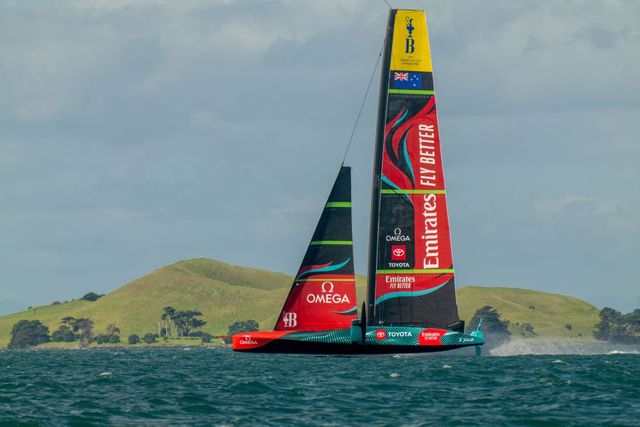
An invite to schools to come sailing at Worser Bay
- Worser Bay Boating Club
- The finals of the America's Cup will be in full swing during the early part of term four 2024 and we are celebrating by offering...
- Accepted from WBBC blog by feedreader
- Tagged as:
- worser-bay
Worser Bay Yacht Club, Marine Parade, Seatoun, Wellington, Wellington City, Wellington, New Zealand (OpenStreetMap)
-
-
-
The Parade and Island Bay Village upgrades – Update from WCC
- Island Bay Residents' Association
- Thank you to everyone in the community who has taken the time to talk to us (WCC) about the Town Centre Upgrade plans.
- Accepted from Island Bay Residents' Association feed by feedreader
- Tagged as:
- island-bay
- wellington-city-council
- consultation
Island Bay Library, 167, The Parade, Island Bay, Wellington, Wellington City, Wellington, 6023, New Zealand (OpenStreetMap)
-
-
-
Marine exclusion zone established in Shelly Bay for harbour safety
- Greater Wellington Regional Council
- Accepted from GW news 2022 by feedreader
- Tagged as:
- shelly-bay
Shelly Bay, Shelly Bay Road, Maupuia, Wellington, Wellington City, Wellington, 6011, New Zealand (OpenStreetMap)
-
-
-
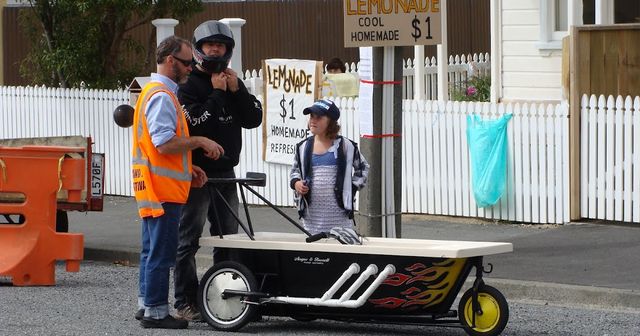
At the Ribble Street Run [Island Bay Trolley / Soapbox Derby]
- Keith Johnson
- Accepted from Keith Johnson posts
- Tagged as:
- island-bay
Island Bay, Wellington, Wellington City, Wellington, New Zealand/Aotearoa (OpenStreetMap)
-
-
-
Police release name of missing diver off Titahi Bay beach
- Wellington District Police
- Police are now able to release the name of the 49 year old diver, missing since last night near...
- Tagged as:
- titahi-bay
Titahi Bay, Porirua, Porirua City, Wellington, New Zealand (OpenStreetMap)
-
-
-
Wellington, Hawke’s Bay and the Ranfurly Shield in the 1960s
- Wellington Club Weekly
- Above: Wellington fans at the parade in Napier on the morning of the Ranfurly Shield challenge in 1967, Leo the Lion, leading supporter Dick Burke and ‘I'm just mad about Wellington' man.
- Accepted from Rugby Club Weekly Feed
- Automatically tagged as:
- rugby
-
-
-
A city with a vision? AKL x WLG
- Talk Wellington
- Wellington’s got a lot of bustle and noise (Let’s Get Wellington Moving – Spatial Plan – new subdivisions – convention centre – library) but where’s the coherent vision? Hey Auckland – can we learn some things? The Wellington Urbanerds invited some insightful Aucklanders to talk about the Auckland City Centre Masterplan (CCMP) because it’s getting a lot of positive interest in nerdy circles nationwide, and we thought “Wellington needs one of those to galvanise our progress!” But it turns out that the CCMP is not the cause of Auckland’s progress – it’s a milestone marker of a bigger evolution in Tāmaki. Auckland City Centre’s chief urban designer George Weeks was insightful, visually engaging and occasionally very funny. Auckland city centre’s chief transport designer Daniel Newcombe injected insights that were pithy and thought-provoking. All up it’s worth watching the video – details at the bottom. But this post has some of the big insights for Wellington that we took away. Hat tip to Charles Dawson for invaluable note taking. A galvanising vision, with a strong whakapapa What makes the CCMP unusual as an official planning document, Weeks told us, is that it’s not “a planner’s plan” – 2,000 pages of vision down to prescriptive requirements. Instead it’s “the brochure for the city centre”. He told us that “with the 2012 CCMP, we thought it was better to have a 200 page document that 10,000 people see, or at least have skimmed, than a 2,000 page document that 100 people read in detail. We have used this approach to shape the 2020 CCMP.” It has had a major refresh in the last 8 years and the 2020 version is quite something. Galvanising vision Weeks took us through how the updated CCMP works: how it delivers on the Auckland Plan’s promise of life in Auckland, through the city centre’s form and function. It’s worth laying these out because while we definitely have bits of the formula, there’s some powerful elements we’re missing. Experience of being there The Auckland Plan (essentially the Tāmaki-Makaurau 30-year plan) sets out ten Outcomes for the city – effectively the promise of life experience that you should get, being in Auckland. The whole super-city is supposed to fulfil these promises, and the city centre’s no exception. In the CCMP, the ten citywide Outcomes or life promises are intertwined with eight place-specific Transformational Moves. The latter are the major initiatives to change the physical environment of the city centre so it can deliver those outcomes – the good Auckland experiences – for anyone who’s there. A lot of this has come into the 2020 CCMP thanks to Access for Everyone (A4E), the city centre’s transport programme done to support the CCMP refresh process (more on A4E later). Street forms and place shapes… So the 2020 CCMP has street explainers that show – conceptually but with a lot of verisimilitude – the components of the streets and buildings, the overall shape of the whole public realm that’s needed for the city centre to give people that great experience. a generic “transit street” explainer – from the CCMP These explainers are conceptual, but are tied enough to specific places, that everyone can see the trajectory of how their specific bit of the city will be changing, but crucially they can see a really solid why. …because This means “X street, and its environment, should have Y shape and form because…”. We saw, for example, that one of the biggest streets in the Learning Quarter, Symonds Street, will be a transit street for all these reasons: Symonds St, for example, needs to become a transit street not because of some abstracted notion of “sorting out the transport” but because it is at the heart of Auckland’s city centre universities, and “transit street” is the form for Symonds Street that will let it best serve people in the Learning Quarter with the good experience the Auckland Plan promises. Weeks flicked through a few examples of how the CCMP is signalling change to the built environment of Tāmaki’s city centre (which is pretty interesting – have a play here, the 2020 version is fully digital!) Our impression of all this was that the CCMP, thanks to the Auckland Plan and Access For Everyone (the transport dimension), has pretty well integrated two things that any self-respecting city needs to integrate. This is the roles of movement (transport) and place or exchange (destination activity) in any given area of the city centre. And Auckland manages to integrate these with a nice clear Why and Because for each set of changes. [Hold on, is that anything special? We know about this stuff… This tight integration – of form to function, place with movement, built form to people’s lived experience – seems pretty elementary for self-respecting cities. And you’d be forgiven for assuming Wellington has that integration in place. Indeed, things like the street concepts in Auckland’s 2020 (refreshed) CCMP don’t look too dissimilar to what LGWM put out for the Golden Mile. And the material coming out from LGWM and the Central City elements of the Spatial Plan and Wellington 2040 use a lot of the right words. Golden Mile concept from LGWM But in listening to Weeks’ presentation, we realised just how explicit and unequivocal the CCMP and A4E are about the why, the because for the physical city changes they describe, anchored home to that lived experience promised in the Auckland Plan. And the locked-in coupling between the place / destination train and the movement / transport train so they’re pulling each part of the city in the same direction towards that better experience for all Aucklanders. This coupling is something we’re muddling around in Wellington. We’re hedging our bets on saying explicitly what lived experiences we want to prioritise and privilege in our city centre. This means the transport planning and place planning are making (at best) vague bows in each other’s direction, with lots of hedging our bets about whether and how we’re prioritising “drive-through” vs “go-to” in our city centre. OK back to the presentation…] Galvanising and enabling Weeks told us that in the CCMP, when you combine the Auckland Plan’s Outcomes and the CCMP’s Transformational Moves, the product is the city centre “Opportunities”. Opportunities are projects, quite specific things, and there are quite a few listed. click on the image to have a play in the CCMP Opportunities But they’re not a set of business-case investments that clamp tunnel-vision onto ambition. They seemed to be as much illustrating the kinds of projects that would make the city centre better at giving people that great experience of Auckland living. As Weeks emphasised: “anyone can come up with an Opportunity”. (We imagine the galvanising could run like this… Hello, I’m a developer looking at buying or developing neighbouring Building X and Building Y, I can see the direction of profitable change and unprofitable change that I could make to that property, given the trajectory of change in its environment. And I can make up a project that creates a much better laneway space between them, plus better delivery access, better stormwater handling, and augmented residential-plus-commercial uses… This bundle of investments will make me money, and enhance really well that little corner of the city – so public investment and other private are likelier to come join me… ) CCMP’s generic laneways explainer (click to expand) Lesson for Wellington: let the vision be the vision, get other activity making it reality A big lesson for Wellington, Weeks said, was to “be clear about what different plans are to do. The City Centre Masterplan sets the vision, which allows many actors to work out how to deliver its different facets, or to develop their own ideas too.” The CCMP is only the green-circled bits in this picture. CCMP: a strong whakapapa The CCMP’s technical pedigree is strong – it makes good application of internationally-accepted principles of urban physics and urban dynamics. But – as Weeks put it – if the CCMP can “see further, it’s because [it is] standing on the shoulders of giants”. Complementing the CCMP’s technical pedigree is its collective human ancestry: the people, organisations, and relationships that have coalesced around it, the support that it’s known and seen to have, and the mana that this contributes to its strong legitimacy and mandate today. From the presentation a few points stood out on each of these… The technical pedigree of the CCMP Weeks and Newcombe gave us a whistle-stop tour of the set of transport and urban planning documents of which the 2020 CCMP is the progeny. Auckland Unitary Plan – The supercity’s first joined up District Plan, the “rulebook” for implementing the Auckland Plan. Forced much more collaboration in planning, for everything. City Centre Future Access Study – NZTA, Ministry of Transport, Auckland Council, Treasury, Auckland Transport found the City Rail Link would blitz all other 46 options for getting people to and from the city centre. The City Rail Link (CRL) – an underground railway link turning the city centre heavy rail terminus into a through-station, building 4 new underground stations. Doubles the number of Aucklanders with 30min access to city centre. After years of arguing, finally underway once tax was to pay 50% (thanks ATAP). Auckland Transport Alignment Project (ATAP) (2016-17, updated 2018) Auckland-region-wide (not just one bit) merit-based priority list of all the big-ticket transport projects, costed and agreed by all funders and deliverers. Crucially: first acknowledgement by central government that Auckland couldn’t road-build its way out of its traffic problems Business Case for Walking – first quantification of the value of city centre walking to Auckland’s economy, done in 2017. [Hey “walkable capital”, where’s ours?] The creation of documents always sounds more coherent in retrospect, but Weeks and Newcombe emphasised that it’s not been a nice clean sequential progress. Key principles of urban physics (like the role of people walking) have only been given oxygen relatively late in the sequence. The need to get tax funding to co-fund megaprojects has meant a lot of back-and-forth raruraru with central government, and between the various bits of Auckland’s council family. And some great documents – like the Business Case for Walking mentioned above – have no official legal weight: a decision-making body can completely ignore them if it wants. But we heard that the various documents have meant that amongst the bureaucracy and other government power-holders, there’s been an accumulation of key principles of good urban physics, akin to accumulation of organic matter. Sometimes it’s just leaves falling, but sometimes there’s a large trunk. These accumulations in the establishment’s hivemind make it much harder to go back and relitigate, as there’s been some crystallisation in the thinking. (Though, of course, as Newcombe noted, that doesn’t stop people trying!) Access for Everyone – the complementary transport element of the City Centre Masterplan which was developed as part of the CCMP refresh – is a great example. In traditionally car-mad Auckland, the entire Auckland Council voted unanimously to begin A4E trials “enabling a decisive mode shift away from private vehicles, to make better use of finite city centre space and improve the quality of the environment.” Wow. Access For Everyone’s car-free Queen Street / Horotiu Valley with Low Traffic Neighbourhoods around. And no more driving through the city centre! The human side of CCMP’s whakapapa We heard that a major benefit of the sequence of documents was the relationships and conversations that a document creates a pretext to have. There’s been a lot of investment in behind-the-scenes engagement, with big stakeholders in the city. This has paid off in an unusual level of big players’ trust and buy-in to the vision and the big moves to get there. From large developers, through Heart of the City (the inner city Business Improvement District), through the AA, NZTA, to the City Centre Residents’ Group (fun fact: 40,000 people live in Auckland’s city centre alone). This good stakeholder engagement bears fruit: it enabled councillors to support the 2020 CCMP relatively easily, despite it having relatively little engagement from the wider public (a few hundred submissions compared with the Unitary Plan’s ~10,000). It’s not a coincidence that Precinct Properties has seen fit to drop a billion (with a B) dollars of its shareholders’ money into the Commercial Bay development – Weeks observed that it’s on the strength of the new trust and joined-up thinking developed through the CCMP process. Daniel Newcombe spoke from experience about the collaboration that had eventually started to come, once “you can get people to stop introducing competing plans” and come together. Sometimes this requires biding your time, working by osmosis, and finding the sensible individuals in an organisation on whom to work, and building coalitions that chip away at antipathetic organisations. Getting people to issue formal letters of support on behalf of their organisations can be extremely powerful, he said. Iwi influence We heard that one major improvement of the 2020 refreshed CCMP over the 2012 original is the inclusion of Māori outcomes. For the refresh, the ADO worked closely in partnership with Auckland’s Mana Whenua Kaitiaki Forum to develop a Māori outcomes plan. This work shaped Transformational Move 1: Māori Outcomes, with proposals for a papa kōkiri at the waterfront and a whare tāpere at Aotea Square. The 2020 CCMP manifests the Auckland Plan’s Māori Identity and Wellbeing outcome and Te Aranga Māori Design Principles via Outcome 1: Tāmaki Makaurau – Our place in the world. It sets out the big interventions and systemic changes to bring mana whenua presence, Māori identity and life into the city centre and waterfront. There are some big-ticket, high-visibility things and pervasive, interwoven ones. To our (Pākehā) ears this sounded pretty great… Attack of the roadcones! Plans are essential, but how do you get them going, especially when there’s so many large, cumbersome players with inertia? Weeks had peppered the presentation with cool before-and-after shots of some iconic Auckland changes, including Te Ara i Whiti / the (pink) LightPath, and localised street improvements like our favourite, O’Connell Street (below). O’Connell Street. oh.yes.melbourne We know (though the webinar didn’t go in depth here) that much of Auckland city centre’s evolution that you and I can see today was driven by the Auckland Design Office, with Auckland Transport and Auckland Council partners. Their projects opened people’s eyes to how good street change could be done, and that actually the good “urban physics” did apply in Auckland too. And they gave Auckland council family a chance to practice delivering street change together, and figure out how it can be done without anyone losing an eye. They did it with a combination of a figurehead / champion / lightning rod / air cover for the ground troops (AKA Ludo-Campbell-Reid) plus a ninja team of designers, engagers and doers, doing on-the-ground projects that brought to life the good practice of urban design. Projects like Fort Street, O’Connell Street, Fort Lane, and Jean Batten Place showed that – contrary to received wisdom – replacement of on-street car parking with high-quality streetscape was good for business. Collaboration with Auckland Transport led to the creation of a pop-up cycleway along Quay Street (well before the Innovating Streets for People pilots) which is now being incorporated into a permanent street redesign that will finish this year. It’s not been an easy road: by now, ten pilots of the street changes for Access for Everyone were supposed to be underway, following that unanimous Council vote, but just one (High Street) has been. And the ADO has now been disbanded, allegedly due to their irritating conservative parts of the establishment with cost-cutting as a pretext. But there’s momentum now… Auckland’s changing, and has lessons for us Throughout the session the Zoom chat pane had been running hot with questions and comments from the “floor” (aka the online audience). Weeks and Newcombe took questions from the pane and from the Urbanerds presenters, and a few highlights stood out including lessons for Pōneke… Lesson for Wellington: get partners on the same transport page Weeks’ and Newcombe’s first lesson was to get a multi agency agreement on transport together. It can’t just be the city council or regional council. It has to have central government buy-in; they can’t be pulling in the other direction from the city or region with their ambitions for the city’s transport. Updated ATAP, with all the partners This consensus shifts the conversation from “Do we need that good stuff replacing the bad stuff?” to “When do we need it?”. You have to keep the focus at that “when” level, not allowing relitigation of the fundamental principle of urban physics that you’ve achieved consensus on. We wonder: is this LGWM? Is it shifting our conversation? Is NZTA pulling in the same direction as the city, as the regional council? Lesson for Wellington: generate the brochure, together A second big lesson is that you have to have the vision, the brochure, the clear picture of the good life that your city wants to give everyone who’s in the city centre, whatever they’re doing there. This has to be the rationale for any the physical changes that you entertain or consider. The Auckland Plan’s 8 outcomes – promises of the experience of life in Auckland, that the CCMP too must deliver This “brochure” must be developed hand in glove with the actors we want to be supporting it, building on any public mandate you already have but not driven by the wider public. This conversation with the big players should not feel like it’s led by any one player (developers, or transport-planners, or inner-city-residents, or businesses – nor even, we wonder, council?). What it must be is very good quality engagement that builds a strong trust and instils a foundation layer of commitment to (or at least grudging acknowledgement of) solid urban physics, and the trajectory of change needed throughout the city. Lesson for Wellington: CBDs are doomed Listener Sally asked whether a focus on a city centre had been overtaken by COVID and its boost to working from home, and localism, especially in Wellington where there’s such a large commuter population. Weeks’ answer put it in much more professional terms, but the message came through clearly: if your city centre is mostly a Central Business District, where “business” is the dominant activity, it’s doomed. Monocultures always make a system vulnerable to shocks, in agriculture, horticulture and in cities If it’s a central city, with a hundred or a thousand different reasons for people of all different walks of life to be there, then it’ll be fine – it’ll change and adapt, but the power of people wanting to be there is the lifeblood of a city. “The death of the city has been predicted since the invention of the city, in the Bronze Age” Weeks observed – “and if you’ve got an actual city, it won’t happen.” We wonder… how much of Wellington’s central city is a dead zone by 6.30pm? How much are we reinvigorating and diversifying the reasons to be there? Lesson for Wellington: lock all good plans to something with teeth Weeks emphasised that the power of these plans comes from linking area plans and other non-statutory plans to ones with statutory power. So despite being a non-statutory document, the City Centre Masterplan carries weight because they mapped its outcomes tightly against the Auckland Plan (the statutory 30-year plan for the whole city) and councillors have voted overwhelmingly in favour of it. diagram showing how the CCMP is making good on the Auckland Plan’s promises, in the city centre We definitely don’t yet have the vision and its trust, nor the solid hook between statutory and non-statutory … but we have some elements of the recipe. We wonder… how much of the CCMP-style whakapapa do we have, if not the actual document? Could we build these levels of trust and vision together? Some Wellington City Council planning and design gurus attended the session and helpfully fielded some questions about where Wellington was at. Our one-liner summary was: it’s not going to hell in a handcart, but it’s definitely all up in the air. Smart engagement from Urbanerds listeners and Talk Wellington readers is really needed. We’ll pick up “so what for us?” in the next post. Here’s the video: link, passcode SUa&tOC5 Meantime… where have you seen signs of a clear vision of good Wellington city life, for everyone?
- Accepted from Talk Wellington posts by feedreader
- Tagged as:
- draft-spatial-plan
- supercity
- waterfront
- island-bay-cycle-way
- covid-19
- libraries
- convention-centre
- lets-get-wellington-moving
-
-
-
A gentle hum
- Mt Victoria Residents Association
- The Dominion Post is reporting a persistent hum across the neighbourhood, for which inventive and interesting explanations have been proposed.
- Accepted from Mt Victoria Residents Association news
- Automatically tagged as:
- community-groups
- mount-victoria
-
-
-

A legal history
- Victoria University of Wellington
- David McLean, current CEO of Westpac New Zealand, reminisces over his days as a Victoria law student in the 1970s.
- Accepted from VUW News feed
- Automatically tagged as:
- kelburn
- victoria-university
-
-
-

Here's A Thing
- Bats Theatre
- Join a hand-picked cast of directors from across the Festival for an opening night show where literally anything could happen!
- Accepted from Bats Theatre openings by feedreader
- Automatically tagged as:
- theatre
BATS Theatre, 1, Kent Terrace, Mount Victoria, Wellington, Wellington City, Wellington, 6011, New Zealand (OpenStreetMap)
-
-
-
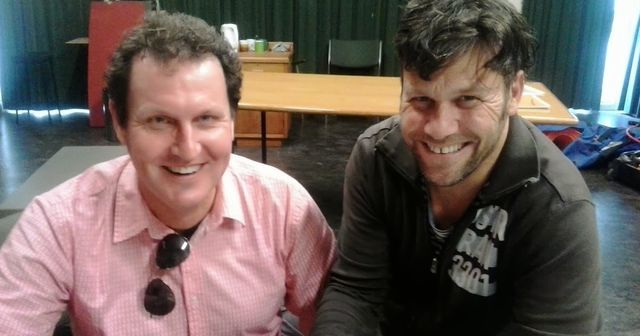
Becoming a playwright
- Circa Theatre
- Kings of the Gym playwright Dave Armstrong tells drama on the waterfront about how he became a professional playwright in New Zealand.
- Accepted from drama* on the waterfront posts
- Tagged as:
- waterfront
Circa Theatre, Taranaki Street, Te Aro, Wellington, Wellington City, Wellington, 6011, New Zealand (OpenStreetMap)
-
-
-
A precedent for a Kaiwharawhara to Petone boardwalk
- Wellington Region Cycleways
- Surely a precedent has been set for the link between Wellington and Petone with the building of Auckland’s boardwalk along the rail line in the Orakei Basin.
- Automatically tagged as:
- blogs
- transport
- cycling
-
-
-
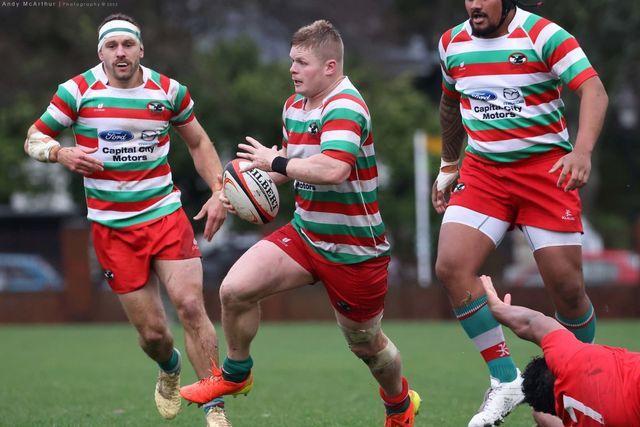
O’Reilly and Lions hoping to find spark against Hawke’s Bay in Ranfurly Shield challenge
- Wellington Club Weekly
- James O’Reilly playing in his 100th game for HOBM earlier this year, against Marist St Pat’s, the team he scored his first Premier try against in his first year out of school in 2013. By Steven White James O’Reilly and his Wellington Lions teammates will be hoping its lights out for the Hawke’s Bay Magpies...
- Accepted from Club Weekly 2020 by feedreader
- Automatically tagged as:
- rugby
-
-
-
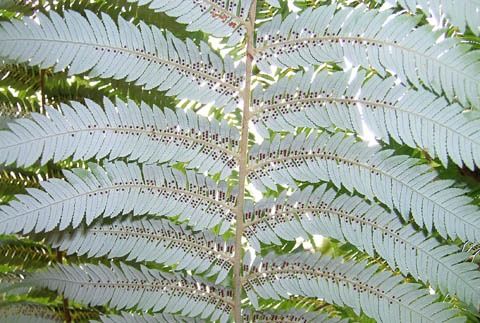
What’s a punga?
- Te Papa's blog
- “Punga” is a quintessential Kiwi word, used to refer to tree ferns or, sometimes more specifically, the trunks of tree ferns. But, no tree ferns were recorded by James Beever in his book A Dictionary of Maori Plant Names as being called punga by Māori. I don’t know for sure, but I suspect that “punga” [...]
- Automatically tagged as:
- blogs
- te-papa
-
-
-

Weekly Bulletin: Staying connected as a church - 24 August 2025
- St John's in the City
- Kia ora St John’s whānau, This Sunday we hear the story of a woman who was ‘seen’ by Jesus and experienced the freedom he brings – physically and spiritually.
- Accepted from News - St John's in the City Presbyterian Church by feedreader
- Automatically tagged as:
- religious-groups
St John's, Willis Street, Te Aro, Wellington, Wellington City, Wellington, 6011, New Zealand (OpenStreetMap)
-
-
-
Wahine Sailors - building a hapori/community
- Worser Bay Boating Club
- I attended the second of maybe four Wahine Sailors insights sessions last week at Evans Bay. EB had about 25 sailors attend the Waikawa...
- Accepted from WBBC blog by feedreader
- Automatically tagged as:
- boating
- wcn-hosted
- worser-bay
Worser Bay Yacht Club, Marine Parade, Seatoun, Wellington, Wellington City, Wellington, New Zealand (OpenStreetMap)
-
-
-
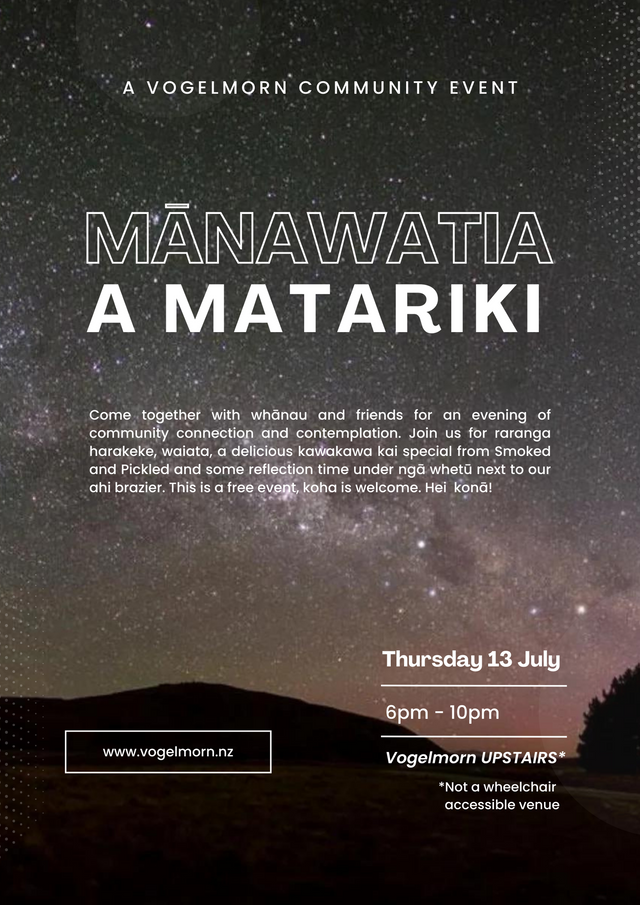
Mānawatia a Matariki
- Vogelmorn Community Group
- Nau mai, haere mai! Mānawatia a Matariki! Come together with whānau and friends on Thursday 13th July at Vogelmorn Upstairs - an evening of community connection and contemplation.
- Accepted from Vogelmorn Events - Vogelmorn Community by feedreader
- Tagged as:
- matariki
Vogelmorn Bowling Club, Mornington Road, Brooklyn, Wellington, Wellington City, Wellington, 6021, New Zealand (OpenStreetMap)
-
-
-
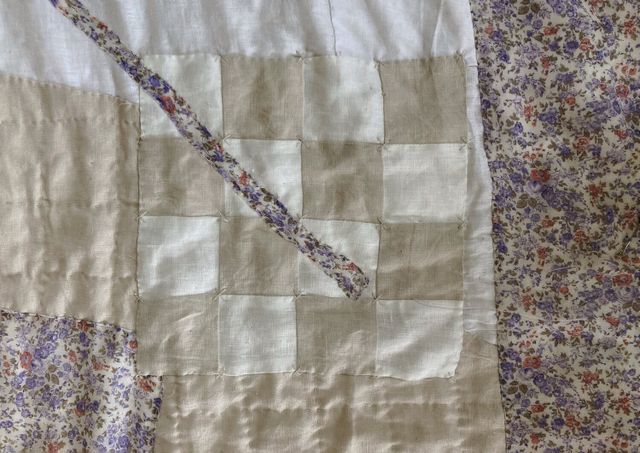
A gentle reminder
- Toi Pōneke
- In a gentle reminder artist Ruby Joy Eade considers the textile ephemera of her own life, the generations that came before her, and those yet to come. Read more
- Accepted from Toi Pōneke Events by tonytw1
- Automatically tagged as:
- toi-pneke
Toi Pōneke Arts Centre, Footscray Avenue, Mount Cook, Wellington, Wellington City, Wellington, 6040, New Zealand (OpenStreetMap)
-
-
-

What a month!
- Metropolitan Cathedral of the Sacred Heart
- What a month it has been, and I am not talking about the geopolitical situation in the world but rather the number of feast days we celebrated during the month. […]
- Accepted from Metropolitan Cathedral of the Sacred Heart posts by feedreader
- Automatically tagged as:
- catholic
- wcn-hosted
Sacred Heart Cathedral, Guildford Terrace, Thorndon, Wellington, Wellington City, Wellington, 6140, New Zealand (OpenStreetMap)
-
-
-
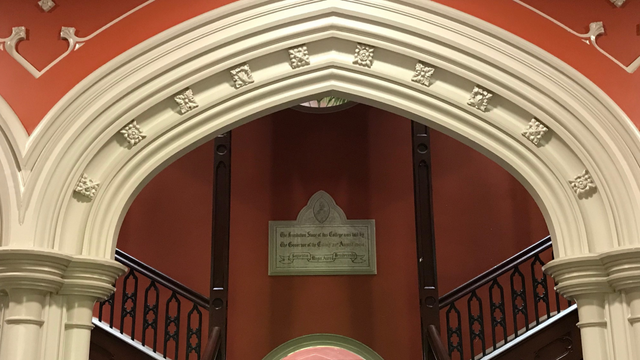
A solid foundation
- Victoria University of Wellington
- In this, the second in a series about the plaques around Te Herenga Waka—Victoria University of Wellington, we learn about the foundation stone and the history of the Hunter Building.
- Accepted from VUW News feed by feedreader
- Automatically tagged as:
- kelburn
- victoria-university
-
-
-
A Waikato Pilgrimage
- Friends of Te Papa
- 5-8 June 2025 This tour offers an insight into the role of the church and the early settlement of the Waikato region. Led by Sir David Moxon; a former Archbishop […]
- Accepted from Coming Events – Friends of Te Papa by feedreader
- Automatically tagged as:
- community-groups
- te-papa
- events
-
-
-
A New Direction
- Amesbury Drive School Blog
- This blog site has recorded the journey of the Establishment Board of Trustees as they have worked with many amazing people to design and build a new school for Churton Park.
- Accepted from Amesbury Drive School feed
- Automatically tagged as:
- johnsonville
-
-
-
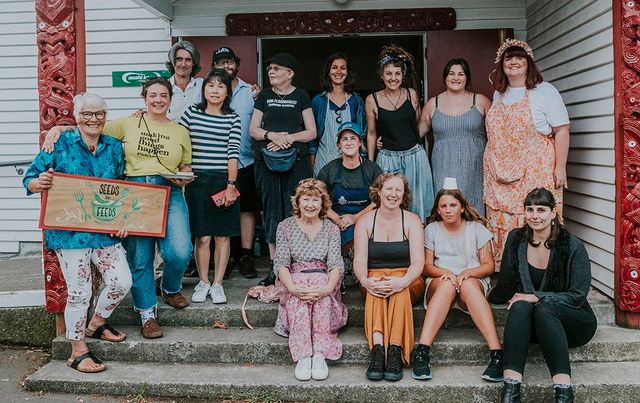
A Taste of Newtown: a whānau picnic
- Seeds to Feeds
- Come and connect with our community at our nourishing event showcasing locally sourced, grown, and prepared food.
- Accepted from Events - Welcome to Seeds to Feeds by feedreader
- Tagged as:
- newtown
Newtown, Wellington, Wellington City, Wellington, New Zealand (OpenStreetMap)
-
-
-
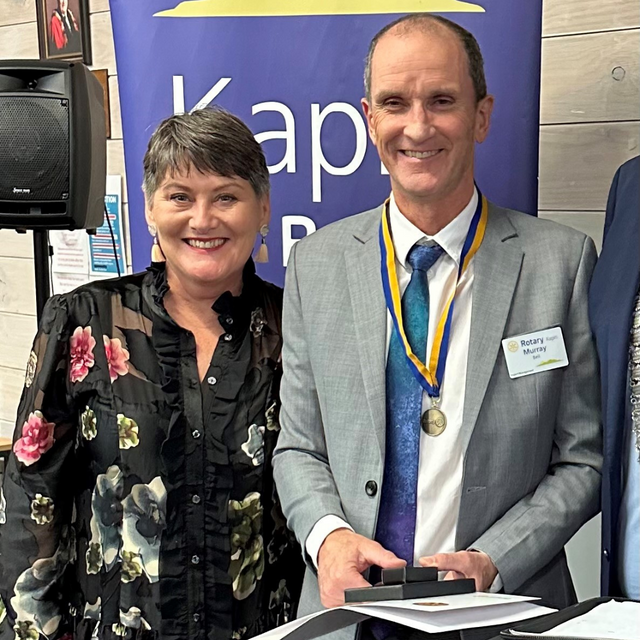
Where there’s a Will there’s a way
- Mary Potter Hospice
- Hospice Chair Steph Dyhrberg and husband Murray Bell have been committed supporters of Mary Potter Hospice for years.
- Accepted from MPH news by feedreader
- Not tagged
-
-
-

A mouse calls Mayor Celia a dragon
- WCC Watch
- Sticks and stones may break my bones but words will never hurt me.
- Automatically tagged as:
- elections-2010
- featured
- wellington-city-council
-
-
-
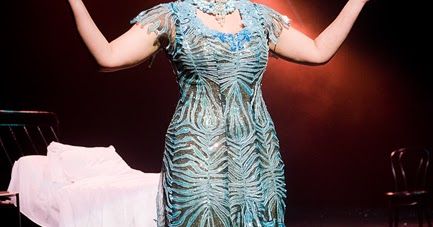
C - A Musical: not a traditional musical
- Circa Theatre
- In this week's post, composer Gareth Farr talks to drama on the waterfront about the music in C and working with Jackie Clarke.
- Accepted from drama* on the waterfront posts
- Tagged as:
- waterfront
Circa Theatre, Taranaki Street, Te Aro, Wellington, Wellington City, Wellington, 6011, New Zealand (OpenStreetMap)
-

- 1
- 2
- 3
- 4
- 5
- 6
- 7
- 8
- 9
- 10
- 11
- 12
- 13
- 14
- 15
- 16
- 17
- 18
- 19
- 20
- 21
- 22
- 23
- 24
- 25
- 26
- 27
- 28
- 29
- 30
- 31
- 32
- 33
- 34
- 35
- 36
- 37
- 38
- 39
- 40
- 41
- 42
- 43
- 44
- 45
- 46
- 47
- 48
- 49
- 50
- 51
- 52
- 53
- 54
- 55
- 56
- 57
- 58
- 59
- 60
- 61
- 62
- 63
- 64
- 65
- 66
- 67
- 68
- 69
- 70
- 71
- 72
- 73
- 74
- 75
- 76
- 77
- 78
- 79
- 80
- 81
- 82
- 83
- 84
- 85
- 86
- 87
- 88
- 89
- 90
- 91
- 92
- 93
- 94
- 95
- 96
- 97
- 98
- 99
- 100
- 101
- 102
- 103
- 104
- 105
- 106
- 107
- 108
- 109
- 110
- 111
- 112
- 113
- 114
- 115
- 116
- 117
- 118
- 119
- 120
- 121
- 122
- 123
- 124
- 125
- 126
- 127
- 128
- 129
- 130
- 131
- 132
- 133
- 134
- 135
- 136
- 137
- 138
- 139
- 140
- 141
- 142
- 143
- 144
- 145
- 146
- 147
- 148
- 149
- 150
- 151
- 152
- 153
- 154
- 155
- 156
- 157
- 158
- 159
- 160
- 161
- 162
- 163
- 164
- 165
- 166
- 167
- 168
- 169
- 170
- 171
- 172
- 173
- 174
- 175
- 176
- 177
- 178
- 179
- 180
- 181
- 182
- 183
- 184
- 185
- 186
- 187
- 188
- 189
- 190
- 191
- 192
- 193
- 194
- 195
- 196
- 197
- 198
- 199
- 200
- 201
- 202
- 203
- 204
- 205
- 206
- 207
- 208
- 209
- 210
- 211
- 212
- 213
- 214
- 215
- 216
- 217
- 218
- 219
- 220
- 221
- 222
- 223
- 224
- 225
- 226
- 227
- 228
- 229
- 230
- 231
- 232
- 233
- 234
- 235
- 236
- 237
- 238
- 239
- 240
- 241
- 242
- 243
- 244
- 245
- 246
- 247
- 248
- 249
- 250
- 251
- 252
- 253
- 254
- 255
- 256
- 257
- 258
- 259
- 260
- 261
- 262
- 263
- 264
- 265
- 266
- 267
- 268
- 269
- 270
- 271
- 272
- 273
- 274
- 275
- 276
- 277
- 278
- 279
- 280
- 281
- 282
- 283
- 284
- 285
- 286
- 287
- 288
- 289
- 290
- 291
- 292
- 293
- 294
- 295
- 296
- 297
- 298
- 299
- 300
- 301
- 302
- 303
- 304
- 305
- 306
- 307
- 308
- 309
- 310
- 311
- 312
- 313
- 314
- 315
- 316
- 317
- 318
- 319
- 320
- 321
- 322
- 323
- 324
- 325
- 326
- 327
- 328
- 329
- 330
- 331
- 332
- 333
- 334
451 - 480 of 10000
Matching websites
-
-
Oyster
- We sell great kiwi made stuff. Homeware, jewellery, baby gear, bodycare and affordable art. 80% of our products are NZ made and our imported lines are ethically traded. Come and visit our store and art gallery on Jackson Street in Petone.
- Tagged as:
- hutt-valley
- retail
-
-
-
Dog Agility Wellington Group
- Dog Agility Wellington Group (DAWG) provides agility and flygility training at New Zealand Kennel Club Exhibition Centre, Prosser St, Porirua. Agility events are run under the New Zealand Kennel Club. The monthly National Agility Link Association course is also run. Flygility activities are organised as the Wellington Hurricanines under the rules of the New Zealand Flygility Dog Association.
- Tagged as:
- community-groups
- dogs
- porirua
- sport
-
-
-
Central Allbreeds Dog Training School
- Central Allbreeds Dog Training School is a positive method training club for owners and their dogs that is centrally located in New Zealand's capital city, Wellington
- Tagged as:
- dogs
-
-
-
Zone 3 Dog Agility Club
- Zone 3 Dog Agility Club provides agility and flygility training at New Zealand Kennel Club Exhibition Centre, Prosser St, {Porirua}.
- Tagged as:
- community-groups
- porirua
- dogs
-
-
-
Owhiro Bay School
- Owhiro Bay School is located on the beautiful South Coast in Wellington. We offer quality teaching for Years 0-6 in a country setting 10 minutes drive from central Wellington. A roll of 100-125 children. Spacious grounds featuring a large grass field, hard courts, tennis court and two playgrounds provide a fun and stimulating environment for the children at Owhiro Bay School. The community is central to how we do things at Owhiro Bay School. In partnership with Owhiro Bay Kindergarten we have established the Owhiro Bay Learning Community supporting learners from birth onwards. We enjoy a high level of community involvement and this is demonstrated through events such as the Annual Owhiro Bay Community Hangi and the Annual Owhiro Bay Fair. We have a number of active groups within the learning community; the Owhiro Bay Student Council, the Whanau Support Group and Parentlink to name a few.
- Submitted by anon2913
- Tagged as:
- primary
- brooklyn
- island-bay
-
-
-
Worser Bay School
- Worser Bay School is a state primary contributing school (Years 1-6) in Wellington???s eastern suburbs.
- Tagged as:
- primary
- worser-bay
-
-
-
Island Bay Divers
- Welcome to Island Bay Divers, operating from the ' White House' - the home of diving in Wellington. The shop/dive Centre occupies the whole building located on the corner of Reef St and The Parade, Island Bay.
- Tagged as:
- business
- island-bay
-
-
-
Evans Bay Intermediate
- Evans Bay Intermediate is the only specialist provider of Education for Years 7 and 8 in the Eastern Suburbs. The school was opened in 1964 and has a roll of approximately 450 students. It caters for students in the Seatoun, Miramar, Kilbirnie, Lyall Bay areas with an ethnic mix of approximately 60% European, 12.5% Maori, 15% Asian, 9.5% Pacific Island.
- Tagged as:
- primary
- kilbirnie
-
-
-
Ōwhiro Bay School
- Owhiro Bay School was established in 1930 on the beautiful South Coast in Wellington, alongside the Owhiro Stream and within walking distance to the bay. We are fortunate to have some of the largest play spaces and grounds in Wellington allowing students to explore and experience the natural environment.
- Submitted by tonytw1
- Tagged as:
- owhiro-bay
- primary
-
-
-
Island Bay School
- Our four teams had their last game of the season on Monday. Well done to all the players on a fantastic season. Thank you to all the parents and caregivers who coached and supported the teams; Kari Beaven, Chris Baring, Justin Webster, and Kate Lamport. Well done to the Island Bay Saints who came first in their playoff game!
- Tagged as:
- island-bay
- primary
Island Bay School, 6, Thames Street, Island Bay, Wellington, Wellington City, Wellington, 6023, New Zealand (OpenStreetMap)
-
-
-
Island Bay Residents' Association
- The Island Bay Residents’ Association works with local businesses, community groups and residents to support the Island Bay community.
- Submitted by tonytw1
- Tagged as:
- community-groups
- island-bay
-
-
-
Better Buses Owhiro Bay
- The Better Buses Ōwhiro Bay Organisation is an independent grassroots group founded to see better bus services in our suburb. We are two full-time university students who, for the last 6 years, have noticed the worsening of bus services in Ōwhiro Bay.
- Submitted by tonytw1
- Tagged as:
- buses
- lobby-groups
-
-
-
Lowry Bay Yacht Club
- The Lowry Bay Yacht Club, an Incorporated Society, is situated in Lower Hutt, New Zealand, on the north east side of Wellington Harbour. Adjacent to the Seaview Marina, the Club provides superior facilities for all boating tastes or as a setting for functions.
- Tagged as:
- boating
-
-
-
Empire Cinema Island Bay
- Down on the corner of The Parade and Mersey Street, the old Empire Cinema building has quietly undergone a spectacular transformation. The iconic Island Bay landmark has been fully restored and rejuvenated, and now you are invited to indulge your senses in a new, unique and high quality entertainment experience!
- Tagged as:
- cinema
Empire Cinema, 214, The Parade, Island Bay, Wellington, Wellington City, Wellington, 6023, New Zealand (OpenStreetMap)
-
-
-
Worser Bay Boating Club
- Worser Bay is a dinghy sailing club. We have active fleets for all ages and levels of sailors, and types of boats. The club offers many learn to sail courses for non sailors and people wanting to refresh sailing skills, and sailing development programmes for all members.
- Tagged as:
- boating
- wcn-hosted
- worser-bay
Worser Bay Yacht Club, Marine Parade, Seatoun, Wellington, Wellington City, Wellington, New Zealand (OpenStreetMap)
-
-
-
Pukerua Bay Residents Association
- Pukerua Bay is a small sea-side community at the southern end of the Kapiti Coast, New Zealand. In local government terms it is the northernmost suburb of Porirua City, 12 km north of the Porirua City Centre on State Highway 1 (SH1), and 30 km north of central Wellington.
- Tagged as:
- wcn-hosted
-
-
-
Oriental Bay Residents’ Association
- The Oriental Bay Residents’ Association Inc. is an incorporated society with approximately 226 members (as of May. 2011). The Association is non-party political and non-sectarian in all its activities and deliberations.
- Submitted by tonytw1
- Tagged as:
- oriental-bay
- community-groups
Oriental Bay, Wellington, New Zealand
-
-
-
Mau Whenua | Save Shelly Bay
- Mau Whenua is a collective of Taranaki Whānui iwi members who made their opposition to proposed sale of iwi land at Shelly Bay known in late 2015 and early 2016. The land at Shelly Bay is highly significant and represents over 50% of the value of Taranaki Whānui Treaty Settlement assets in Wellington. The term Mau Whenua describes those who oppose land sales, and are determined to hold onto land and engage in environmentally and socially constructive development.
- Submitted by tonytw1
- Tagged as:
- lobby-groups
- shelly-bay
-
-
-
Evans Bay Yacht and Motorboat Club
- The Evans Bay Yacht & Motor Boat Club is situated at Evans Bay, in New Zealand's capital city Wellington
- Tagged as:
- boating
Evans Bay Yacht And Motor Boat Club, 447, Evans Bay Parade, Hataitai, Wellington, Wellington City, Wellington, 6021, New Zealand (OpenStreetMap)
-
-
-
Pukerua Bay School
- Submitted by tonytw1
- Tagged as:
- education
- pukerua-bay
-
-
-
Island Bay Festival
- Submitted by tonytw1
- Tagged as:
- events
-
-
-
Worser Bay Life Saving Club
- Worser Bay Life Saving Club is a family orientated club. Fun for the whole family, we welcome all ages. There's something for everyone Sea Swimming, Board training, Surf Competitions and Carnivals Join a Life guard team or complete life guard training, become a qualified IRB Driver. There is a great social atmosphere with barbeques every Sunday, The club has excellent facilities and all are welcome.
- Submitted by tonytw1
- Tagged as:
- worser-bay
- surf-life-saving
-
-
-
Island Bay Marine Education Centre
- The primary objectives of the Island Bay Marine Education Centre are to promote interest in, increase knowledge and understanding of, and encourage protection, enhancement, and enjoyment of local, national, and global marine environments through public education programmes, live displays, and community initiated research and service projects.
- Tagged as:
- marine-education-centre
- education
- island-bay
-
-
-
Island Bay Presbyterian Church
- We are a diverse church, diverse in age, theologies and worship styles. Despite this we have a common vision, a common commitment to support one another, and a common desire to follow in the way of Jesus. Our life together mainly revolves around our 10am Sunday worship service.
- Submitted by tonytw1
- Tagged as:
- religious-groups
- island-bay
-
-
-
Lyall Bay Surf & Life Saving Club Inc
- Lyall Bay Surf & Lifesaving Club, established in 1910, was the first surf lifesaving club to patrol in New Zealand. Lyall Bay lifeguards patrol the beach on Saturdays and Sundays from mid November through to the end of March.
- Tagged as:
- lyall-bay
- surf-life-saving
- swimming
Lyall Bay Surf Life Saving Club, Lyall Parade, Melrose, Wellington, Wellington City, Wellington, 6242, New Zealand (OpenStreetMap)
-