Search / “artist with Early Career Grant from Royal Canadian Academy of Arts”
Matching Newsitems
-
-
Appropriate technology, mealworms & 3D printers | a conversation with Angus Donald Campbell & Chris Berthelson
- Local Making
- Angus Donald Campbell: How is the project coming along in Wellington? Are you zooming us from your new studio? Xin Cheng: Not yet! It’s a little bit early for that studio. We’ve been setting it up and putting up curtains because otherwise, it’s like a fishbowl with people walking by. Today we’re going to meet […]
- Accepted from Local Making feed by tonytw1
- Not tagged
-
-
-
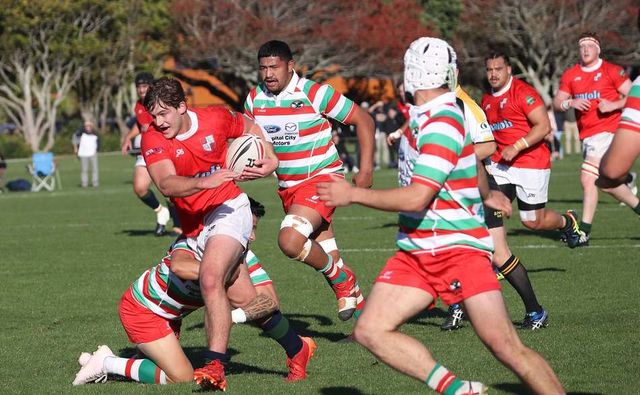
Milan Kriletich leading from the front at MSP
- Wellington Club Weekly
- Beware the Red Machine. For many seasons, that was a given at this time of year, as Marist St Pat’s were synonymous with title success. But they have only played in two finals in the past decade. That last one in 2021 also coincides with the year that current captain and openside flanker Milan Kriletich made...
- Accepted from Club Weekly 2020 by feedreader
- Tagged as:
- swindale-shield
-
-
-

Te Papa celebrates 25 years with new strategy
- Te Papa
- On Tuesday 14 February, Te Papa celebrates 25 years since opening with a new Rautaki | Strategy to take it forward into the future. The museum’s co-leaders, Kaihautū | Māori Co-leader Arapata Hakiwai and Tumu Whakarae | Chief Executive Courtney Johnston, and its Board led by Dame Fran Wilde have embraced a new vision for Te Papa to carry it forward for the next 25 years and beyond. By 14 February 2023, Te Papa will have welcomed more than 34 million visitors since opening. It cares for more than two million items, from ancient fossils to digital artworks, from tiny aphids to ocean-going waka. It consistently rates as one of the world’s best museums, and its approach to storytelling and indigenous knowledge remains a global model.
- Submitted by tonytw1
- Automatically tagged as:
- te-papa
-
-
-

Top tier birthday cakes from seven local bakers
- Capital Magazine
- It's our birthday so we’re having our cake and eating it too – swiftly followed by six more. Check out these cakey creations from clever local bakers. The post Top tier birthday cakes from seven local bakers appeared first on Capital Magazine.
- Accepted from Capital Magazine by tonytw1
- Tagged as:
- food
-
-
-
Big Books being interfiled with Main Collection
- Victoria University Library
- The Library (at Kelburn campus) is interfiling its big books into the main collection in response to feedback from our clients. To date, big books have been shelved as a separate collection on each level. The Campus Hub project has provided the opportunity for this to change.
- Accepted from Vic Library news
- Tagged as:
- libraries
- kelburn
Kelburn, Wellington, Wellington City, Wellington, New Zealand/Aotearoa (OpenStreetMap)
-
-
-
MOON’s $10 Pizza Wednesday with free live jazz
- Newtown Festival
- $10 pizza? Moon will be open and serving $10 pizzas at the bar from 4pm plain and simple. This week as always there’s beer and from 7pm, live music!
- Accepted from Newtown festival 2019 by feedreader
- Automatically tagged as:
- newtown
- events
- wcn-hosted
-
-
-
Change of time & venue of Tawa Meet
- Swimming Wellington
- The Tawa Club have advised that due to problems with the starting blocks at Tawa, the venue of their Signature meet this Saturday has been changed to the Naenae Pool. Also, note the earlier start time (warm-up time 4pm, with racing starting at 4.30pm).
- Tagged as:
- swimming
- tawa
Tawa, Wellington, New Zealand (OpenStreetMap)
-
-
-
Bay of Islands Sailing Week 2020
- Royal Port Nicholson Yacht Club (Inc)
- RPNYC members Michael Instone (recent academy grad), Phil Bishop (Helter Skelter owner) and Craig Ryburn (helm), joined local Bay of Islands Crew of Isabel and Kane to compete in Bay of Islands Sailing week over 22 – 24 January.
- Accepted from RPNYC feed 2019 by feedreader
- Automatically tagged as:
- boating
Royal Port Nicholson Yacht Club, 103, Oriental Parade, Oriental Bay, Wellington, Wellington City, Wellington, 6011, New Zealand (OpenStreetMap)
-
-
-
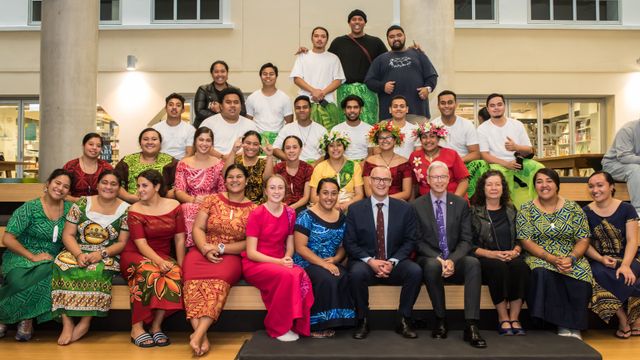
Launch of Faculty of Health
- Victoria University of Wellington
- Victoria University of Wellington has officially launched its newest faculty, the Faculty of Health.
- Accepted from VUW News feed
- Automatically tagged as:
- kelburn
- victoria-university
-
-
-
United secure playoff with 3-0 win
- Wellington United AFC
- Wellington United secured second place in the Men's Ultra Football Capital Premier Division and a spot in the Central League playoff with a comfortable 3-0 win over Upper Hutt City at Maidstone Park on Saturday.
- Submitted by tonytw1
- Tagged as:
- match-reports
-
-
-
Photos from recent training exercise up on Flickr
- Stokes Valley Volunteer Fire Brigade
- Every Wedenesday evening, members of the brigade gather at the fire station to participate in ongoing training to keep their skills up and to learn how to deal with various emergency situations.
- Accepted from Stokes Valley Volunteer Fire Brigade news
- Automatically tagged as:
- stokes-valley
- emergency-services
Stokes Valley, Lower Hutt, Wellington, New Zealand/Aotearoa
-
-
-

We have now gone DIGITAL with our 2016 SUBSCRIPTION SERIES -...
- Orchestra Wellington
- We have now gone DIGITAL with our 2016 SUBSCRIPTION SERIES - SPECIAL OFFER booking process as it can all be done quickly ONLINE through our website HERE Remember, booking early secures tickets for as low as $18 per show or $108 for the full 6 concert season! For more information & press release on our ‘2016 SECRET DEAL’ visit to our news blog HERE or head directly to the booking link above.
- Accepted from Orchestra Wellington posts
- Automatically tagged as:
- music
-
-
-
Old Boy, Father Tony O'Connor, visits from Venezuela
- St Patricks College, Silverstream
- Thursday 25 February 2010: Stream Head Boy in 1967, Father Tony O'Connor, talked today to students about his life and work in Peru and, most recently, Venezuela over the last 30 years. With photos of the school he runs outside of Caracas, he spoke of the daily life of students in a shanty town.
- Automatically tagged as:
- catholic
- secondary
- hutt-valley
St Patricks College Silverstream, Fergusson Drive, Trentham, Upper Hutt, Wellington Region, New Zealand
-
-
-

Wainuiomata win Hardham Cup with win over Paremata-Plimmerton
- Wellington Club Weekly
- Fulltime in the Hardham Cup final. Wainuiomata are the 2024 Premier 2 Hardham Cup champions, beating Paremata-Plimmerton 24-19 in the final at a fine but breezy Porirua Park early this afternoon. It was close throughout, but it was a 76th minute long-range penalty to first-five Andrew Wells that put them 10 points up and make...
- Accepted from Club Weekly 2020 by feedreader
- Tagged as:
- plimmerton
- porirua
- wainuiomata
- rugby
- paremata
Porirua, Wellington Region, New Zealand (OpenStreetMap)
-
-
-
Council disappointed with wildly inaccurate reports on rates
- Greater Wellington Regional Council
- Greater Wellington Regional Council Chair Chris Laidlaw today expressed his disappointment with wildly inaccurate reports of a 15 per cent rate hike for 2020/21.
- Accepted from GW media releases 2019 by feedreader
- Automatically tagged as:
- regional-council
-
-
-
Calls from Police Ten 7 programme lead to arrest
- Wellington District Police
- Telephone calls from viewers of the Police Ten 7 television programme have resulted in Porirua...
- Accepted from Wellington Police news
- Tagged as:
- porirua
Porirua, Wellington Region, New Zealand (OpenStreetMap)
-
-
-
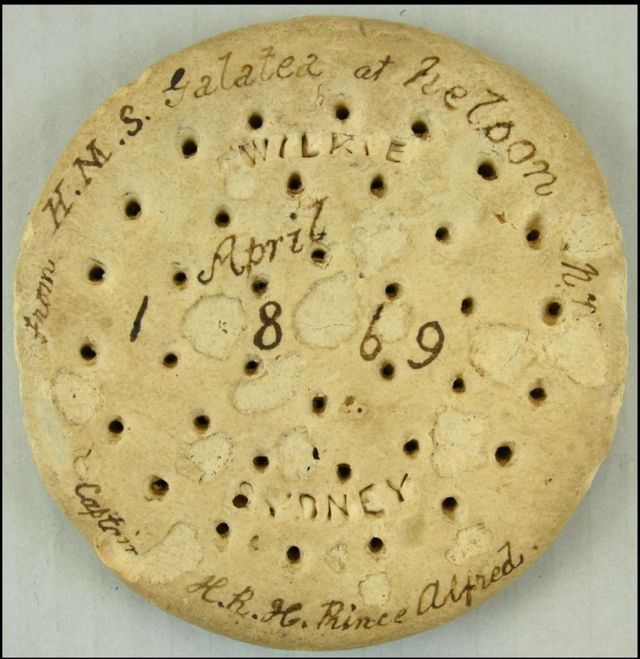
News from Loans: A Collection Returns Home
- Te Papa's blog
- In any museum collection you will find items or entire collections that were lent at some point in the distant past, sometimes more than a hundred years ago. It is always rewarding when a relationship is re-established with the owner and the items or collection can be returned to its rightful place. This happened to [...]
- Accepted from Te Papa blog feed
- Automatically tagged as:
- blogs
- te-papa
-
-
-

(CANCELLED) Dr Drama Makes a Show With You
- Bats Theatre
- Learn about the social origins of dramatic performance, browse Dr Drama’s collection of theatre programmes, and collaborate with fellow audience members to create your own unique performance. A fun and highly interactive theatre experience.
- Accepted from Bats Theatre openings by feedreader
- Tagged as:
- theatre
BATS Theatre, 1, Kent Terrace, Mount Victoria, Wellington, Wellington City, Wellington, 6011, New Zealand (OpenStreetMap)
-
-
-
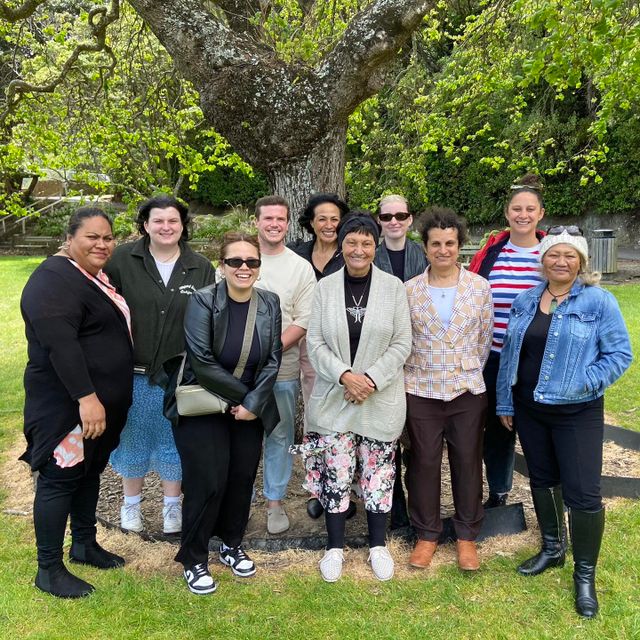
Wrapping up 2023 – Words from our General Manager
- Wellington Homeless Women's Trust
- “2023 has been our most successful year in terms of transitioning our women into new homes” From our little corner of world… I take this opportunity to reflect not only on the last 12 months but also the very challenging and rewarding outcomes achieved by Wellington Homeless Women’s Trust and our whare Te Whare Nukunoa.
- Accepted from Journal - Wellington Homeless Women's Trust | Te Whare Nukunoa by tonytw1
- Automatically tagged as:
- community-groups
- housing
-
-
-
Brett Lee training with Karori CC Junior Premiers
- Cricket Wellington
- Photo gallery: on Wednesday 15 December Brett Lee joined in a training session at the Basin Reserve with members of the Karori Junior Premier (Year 8) side.
- Tagged as:
- karori
Karori, Wellington, New Zealand (OpenStreetMap)
-
-
-
Three men in a dinghy with engine failure
- Coastguard Mana
- Operation Details Date/Time: Wed, 01/05/2013 - 15:30 - 17:00 Operation Type: SAROP Cat 1 People Assisted: 3 Total Volunteer Hours: 10 CRV Trust Porirua Rescue responded with six crew to a Police callout.An aluminium dinghy with three men on board had engine failure east of Mana Island.On reaching the scene the vessel Millicent had the dinghy under tow. The tow was transferred to Porirua Rescue and two men were also transferred from the dinghy to increase free board on the dinghy. The dinghy was towed to the Paremata Bridge launch ramp. The two men on Porirua Rescue were dropped off at the Mana Marina Coastguard berth. Vessel Details Length: 3.20m Resources Attendees: Chris Darch james bass Matt Annear Peter Feely Rod Hall Trevor Burgess Trevor Farmer CRV's Used: CRV Trust Porirua Rescue
- Accepted from Coastguard Mana news
- Tagged as:
- porirua
- paremata
-41.100828, 174.804153
-
-
-
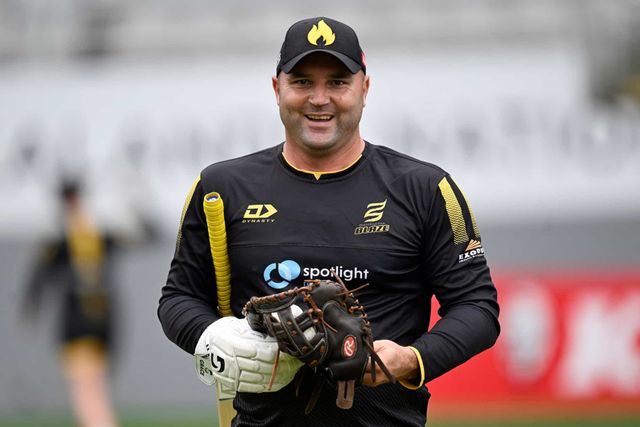
Blaze Coach Luke Woodcock Resigns from Cricket Wellington
- Cricket Wellington
- Luke Woodcock has announced his resignation from his role as Blaze Assistant Coach/HBJ Head Coach, ending a storied...
- Accepted from Cricket Wellington news by feedreader
- Automatically tagged as:
- cricket
-
-
-

A city with a vision? AKL x WLG
- Talk Wellington
- Wellington’s got a lot of bustle and noise (Let’s Get Wellington Moving – Spatial Plan – new subdivisions – convention centre – library) but where’s the coherent vision? Hey Auckland – can we learn some things? The Wellington Urbanerds invited some insightful Aucklanders to talk about the Auckland City Centre Masterplan (CCMP) because it’s getting a lot of positive interest in nerdy circles nationwide, and we thought “Wellington needs one of those to galvanise our progress!” But it turns out that the CCMP is not the cause of Auckland’s progress – it’s a milestone marker of a bigger evolution in Tāmaki. Auckland City Centre’s chief urban designer George Weeks was insightful, visually engaging and occasionally very funny. Auckland city centre’s chief transport designer Daniel Newcombe injected insights that were pithy and thought-provoking. All up it’s worth watching the video – details at the bottom. But this post has some of the big insights for Wellington that we took away. Hat tip to Charles Dawson for invaluable note taking. A galvanising vision, with a strong whakapapa What makes the CCMP unusual as an official planning document, Weeks told us, is that it’s not “a planner’s plan” – 2,000 pages of vision down to prescriptive requirements. Instead it’s “the brochure for the city centre”. He told us that “with the 2012 CCMP, we thought it was better to have a 200 page document that 10,000 people see, or at least have skimmed, than a 2,000 page document that 100 people read in detail. We have used this approach to shape the 2020 CCMP.” It has had a major refresh in the last 8 years and the 2020 version is quite something. Galvanising vision Weeks took us through how the updated CCMP works: how it delivers on the Auckland Plan’s promise of life in Auckland, through the city centre’s form and function. It’s worth laying these out because while we definitely have bits of the formula, there’s some powerful elements we’re missing. Experience of being there The Auckland Plan (essentially the Tāmaki-Makaurau 30-year plan) sets out ten Outcomes for the city – effectively the promise of life experience that you should get, being in Auckland. The whole super-city is supposed to fulfil these promises, and the city centre’s no exception. In the CCMP, the ten citywide Outcomes or life promises are intertwined with eight place-specific Transformational Moves. The latter are the major initiatives to change the physical environment of the city centre so it can deliver those outcomes – the good Auckland experiences – for anyone who’s there. A lot of this has come into the 2020 CCMP thanks to Access for Everyone (A4E), the city centre’s transport programme done to support the CCMP refresh process (more on A4E later). Street forms and place shapes… So the 2020 CCMP has street explainers that show – conceptually but with a lot of verisimilitude – the components of the streets and buildings, the overall shape of the whole public realm that’s needed for the city centre to give people that great experience. a generic “transit street” explainer – from the CCMP These explainers are conceptual, but are tied enough to specific places, that everyone can see the trajectory of how their specific bit of the city will be changing, but crucially they can see a really solid why. …because This means “X street, and its environment, should have Y shape and form because…”. We saw, for example, that one of the biggest streets in the Learning Quarter, Symonds Street, will be a transit street for all these reasons: Symonds St, for example, needs to become a transit street not because of some abstracted notion of “sorting out the transport” but because it is at the heart of Auckland’s city centre universities, and “transit street” is the form for Symonds Street that will let it best serve people in the Learning Quarter with the good experience the Auckland Plan promises. Weeks flicked through a few examples of how the CCMP is signalling change to the built environment of Tāmaki’s city centre (which is pretty interesting – have a play here, the 2020 version is fully digital!) Our impression of all this was that the CCMP, thanks to the Auckland Plan and Access For Everyone (the transport dimension), has pretty well integrated two things that any self-respecting city needs to integrate. This is the roles of movement (transport) and place or exchange (destination activity) in any given area of the city centre. And Auckland manages to integrate these with a nice clear Why and Because for each set of changes. [Hold on, is that anything special? We know about this stuff… This tight integration – of form to function, place with movement, built form to people’s lived experience – seems pretty elementary for self-respecting cities. And you’d be forgiven for assuming Wellington has that integration in place. Indeed, things like the street concepts in Auckland’s 2020 (refreshed) CCMP don’t look too dissimilar to what LGWM put out for the Golden Mile. And the material coming out from LGWM and the Central City elements of the Spatial Plan and Wellington 2040 use a lot of the right words. Golden Mile concept from LGWM But in listening to Weeks’ presentation, we realised just how explicit and unequivocal the CCMP and A4E are about the why, the because for the physical city changes they describe, anchored home to that lived experience promised in the Auckland Plan. And the locked-in coupling between the place / destination train and the movement / transport train so they’re pulling each part of the city in the same direction towards that better experience for all Aucklanders. This coupling is something we’re muddling around in Wellington. We’re hedging our bets on saying explicitly what lived experiences we want to prioritise and privilege in our city centre. This means the transport planning and place planning are making (at best) vague bows in each other’s direction, with lots of hedging our bets about whether and how we’re prioritising “drive-through” vs “go-to” in our city centre. OK back to the presentation…] Galvanising and enabling Weeks told us that in the CCMP, when you combine the Auckland Plan’s Outcomes and the CCMP’s Transformational Moves, the product is the city centre “Opportunities”. Opportunities are projects, quite specific things, and there are quite a few listed. click on the image to have a play in the CCMP Opportunities But they’re not a set of business-case investments that clamp tunnel-vision onto ambition. They seemed to be as much illustrating the kinds of projects that would make the city centre better at giving people that great experience of Auckland living. As Weeks emphasised: “anyone can come up with an Opportunity”. (We imagine the galvanising could run like this… Hello, I’m a developer looking at buying or developing neighbouring Building X and Building Y, I can see the direction of profitable change and unprofitable change that I could make to that property, given the trajectory of change in its environment. And I can make up a project that creates a much better laneway space between them, plus better delivery access, better stormwater handling, and augmented residential-plus-commercial uses… This bundle of investments will make me money, and enhance really well that little corner of the city – so public investment and other private are likelier to come join me… ) CCMP’s generic laneways explainer (click to expand) Lesson for Wellington: let the vision be the vision, get other activity making it reality A big lesson for Wellington, Weeks said, was to “be clear about what different plans are to do. The City Centre Masterplan sets the vision, which allows many actors to work out how to deliver its different facets, or to develop their own ideas too.” The CCMP is only the green-circled bits in this picture. CCMP: a strong whakapapa The CCMP’s technical pedigree is strong – it makes good application of internationally-accepted principles of urban physics and urban dynamics. But – as Weeks put it – if the CCMP can “see further, it’s because [it is] standing on the shoulders of giants”. Complementing the CCMP’s technical pedigree is its collective human ancestry: the people, organisations, and relationships that have coalesced around it, the support that it’s known and seen to have, and the mana that this contributes to its strong legitimacy and mandate today. From the presentation a few points stood out on each of these… The technical pedigree of the CCMP Weeks and Newcombe gave us a whistle-stop tour of the set of transport and urban planning documents of which the 2020 CCMP is the progeny. Auckland Unitary Plan – The supercity’s first joined up District Plan, the “rulebook” for implementing the Auckland Plan. Forced much more collaboration in planning, for everything. City Centre Future Access Study – NZTA, Ministry of Transport, Auckland Council, Treasury, Auckland Transport found the City Rail Link would blitz all other 46 options for getting people to and from the city centre. The City Rail Link (CRL) – an underground railway link turning the city centre heavy rail terminus into a through-station, building 4 new underground stations. Doubles the number of Aucklanders with 30min access to city centre. After years of arguing, finally underway once tax was to pay 50% (thanks ATAP). Auckland Transport Alignment Project (ATAP) (2016-17, updated 2018) Auckland-region-wide (not just one bit) merit-based priority list of all the big-ticket transport projects, costed and agreed by all funders and deliverers. Crucially: first acknowledgement by central government that Auckland couldn’t road-build its way out of its traffic problems Business Case for Walking – first quantification of the value of city centre walking to Auckland’s economy, done in 2017. [Hey “walkable capital”, where’s ours?] The creation of documents always sounds more coherent in retrospect, but Weeks and Newcombe emphasised that it’s not been a nice clean sequential progress. Key principles of urban physics (like the role of people walking) have only been given oxygen relatively late in the sequence. The need to get tax funding to co-fund megaprojects has meant a lot of back-and-forth raruraru with central government, and between the various bits of Auckland’s council family. And some great documents – like the Business Case for Walking mentioned above – have no official legal weight: a decision-making body can completely ignore them if it wants. But we heard that the various documents have meant that amongst the bureaucracy and other government power-holders, there’s been an accumulation of key principles of good urban physics, akin to accumulation of organic matter. Sometimes it’s just leaves falling, but sometimes there’s a large trunk. These accumulations in the establishment’s hivemind make it much harder to go back and relitigate, as there’s been some crystallisation in the thinking. (Though, of course, as Newcombe noted, that doesn’t stop people trying!) Access for Everyone – the complementary transport element of the City Centre Masterplan which was developed as part of the CCMP refresh – is a great example. In traditionally car-mad Auckland, the entire Auckland Council voted unanimously to begin A4E trials “enabling a decisive mode shift away from private vehicles, to make better use of finite city centre space and improve the quality of the environment.” Wow. Access For Everyone’s car-free Queen Street / Horotiu Valley with Low Traffic Neighbourhoods around. And no more driving through the city centre! The human side of CCMP’s whakapapa We heard that a major benefit of the sequence of documents was the relationships and conversations that a document creates a pretext to have. There’s been a lot of investment in behind-the-scenes engagement, with big stakeholders in the city. This has paid off in an unusual level of big players’ trust and buy-in to the vision and the big moves to get there. From large developers, through Heart of the City (the inner city Business Improvement District), through the AA, NZTA, to the City Centre Residents’ Group (fun fact: 40,000 people live in Auckland’s city centre alone). This good stakeholder engagement bears fruit: it enabled councillors to support the 2020 CCMP relatively easily, despite it having relatively little engagement from the wider public (a few hundred submissions compared with the Unitary Plan’s ~10,000). It’s not a coincidence that Precinct Properties has seen fit to drop a billion (with a B) dollars of its shareholders’ money into the Commercial Bay development – Weeks observed that it’s on the strength of the new trust and joined-up thinking developed through the CCMP process. Daniel Newcombe spoke from experience about the collaboration that had eventually started to come, once “you can get people to stop introducing competing plans” and come together. Sometimes this requires biding your time, working by osmosis, and finding the sensible individuals in an organisation on whom to work, and building coalitions that chip away at antipathetic organisations. Getting people to issue formal letters of support on behalf of their organisations can be extremely powerful, he said. Iwi influence We heard that one major improvement of the 2020 refreshed CCMP over the 2012 original is the inclusion of Māori outcomes. For the refresh, the ADO worked closely in partnership with Auckland’s Mana Whenua Kaitiaki Forum to develop a Māori outcomes plan. This work shaped Transformational Move 1: Māori Outcomes, with proposals for a papa kōkiri at the waterfront and a whare tāpere at Aotea Square. The 2020 CCMP manifests the Auckland Plan’s Māori Identity and Wellbeing outcome and Te Aranga Māori Design Principles via Outcome 1: Tāmaki Makaurau – Our place in the world. It sets out the big interventions and systemic changes to bring mana whenua presence, Māori identity and life into the city centre and waterfront. There are some big-ticket, high-visibility things and pervasive, interwoven ones. To our (Pākehā) ears this sounded pretty great… Attack of the roadcones! Plans are essential, but how do you get them going, especially when there’s so many large, cumbersome players with inertia? Weeks had peppered the presentation with cool before-and-after shots of some iconic Auckland changes, including Te Ara i Whiti / the (pink) LightPath, and localised street improvements like our favourite, O’Connell Street (below). O’Connell Street. oh.yes.melbourne We know (though the webinar didn’t go in depth here) that much of Auckland city centre’s evolution that you and I can see today was driven by the Auckland Design Office, with Auckland Transport and Auckland Council partners. Their projects opened people’s eyes to how good street change could be done, and that actually the good “urban physics” did apply in Auckland too. And they gave Auckland council family a chance to practice delivering street change together, and figure out how it can be done without anyone losing an eye. They did it with a combination of a figurehead / champion / lightning rod / air cover for the ground troops (AKA Ludo-Campbell-Reid) plus a ninja team of designers, engagers and doers, doing on-the-ground projects that brought to life the good practice of urban design. Projects like Fort Street, O’Connell Street, Fort Lane, and Jean Batten Place showed that – contrary to received wisdom – replacement of on-street car parking with high-quality streetscape was good for business. Collaboration with Auckland Transport led to the creation of a pop-up cycleway along Quay Street (well before the Innovating Streets for People pilots) which is now being incorporated into a permanent street redesign that will finish this year. It’s not been an easy road: by now, ten pilots of the street changes for Access for Everyone were supposed to be underway, following that unanimous Council vote, but just one (High Street) has been. And the ADO has now been disbanded, allegedly due to their irritating conservative parts of the establishment with cost-cutting as a pretext. But there’s momentum now… Auckland’s changing, and has lessons for us Throughout the session the Zoom chat pane had been running hot with questions and comments from the “floor” (aka the online audience). Weeks and Newcombe took questions from the pane and from the Urbanerds presenters, and a few highlights stood out including lessons for Pōneke… Lesson for Wellington: get partners on the same transport page Weeks’ and Newcombe’s first lesson was to get a multi agency agreement on transport together. It can’t just be the city council or regional council. It has to have central government buy-in; they can’t be pulling in the other direction from the city or region with their ambitions for the city’s transport. Updated ATAP, with all the partners This consensus shifts the conversation from “Do we need that good stuff replacing the bad stuff?” to “When do we need it?”. You have to keep the focus at that “when” level, not allowing relitigation of the fundamental principle of urban physics that you’ve achieved consensus on. We wonder: is this LGWM? Is it shifting our conversation? Is NZTA pulling in the same direction as the city, as the regional council? Lesson for Wellington: generate the brochure, together A second big lesson is that you have to have the vision, the brochure, the clear picture of the good life that your city wants to give everyone who’s in the city centre, whatever they’re doing there. This has to be the rationale for any the physical changes that you entertain or consider. The Auckland Plan’s 8 outcomes – promises of the experience of life in Auckland, that the CCMP too must deliver This “brochure” must be developed hand in glove with the actors we want to be supporting it, building on any public mandate you already have but not driven by the wider public. This conversation with the big players should not feel like it’s led by any one player (developers, or transport-planners, or inner-city-residents, or businesses – nor even, we wonder, council?). What it must be is very good quality engagement that builds a strong trust and instils a foundation layer of commitment to (or at least grudging acknowledgement of) solid urban physics, and the trajectory of change needed throughout the city. Lesson for Wellington: CBDs are doomed Listener Sally asked whether a focus on a city centre had been overtaken by COVID and its boost to working from home, and localism, especially in Wellington where there’s such a large commuter population. Weeks’ answer put it in much more professional terms, but the message came through clearly: if your city centre is mostly a Central Business District, where “business” is the dominant activity, it’s doomed. Monocultures always make a system vulnerable to shocks, in agriculture, horticulture and in cities If it’s a central city, with a hundred or a thousand different reasons for people of all different walks of life to be there, then it’ll be fine – it’ll change and adapt, but the power of people wanting to be there is the lifeblood of a city. “The death of the city has been predicted since the invention of the city, in the Bronze Age” Weeks observed – “and if you’ve got an actual city, it won’t happen.” We wonder… how much of Wellington’s central city is a dead zone by 6.30pm? How much are we reinvigorating and diversifying the reasons to be there? Lesson for Wellington: lock all good plans to something with teeth Weeks emphasised that the power of these plans comes from linking area plans and other non-statutory plans to ones with statutory power. So despite being a non-statutory document, the City Centre Masterplan carries weight because they mapped its outcomes tightly against the Auckland Plan (the statutory 30-year plan for the whole city) and councillors have voted overwhelmingly in favour of it. diagram showing how the CCMP is making good on the Auckland Plan’s promises, in the city centre We definitely don’t yet have the vision and its trust, nor the solid hook between statutory and non-statutory … but we have some elements of the recipe. We wonder… how much of the CCMP-style whakapapa do we have, if not the actual document? Could we build these levels of trust and vision together? Some Wellington City Council planning and design gurus attended the session and helpfully fielded some questions about where Wellington was at. Our one-liner summary was: it’s not going to hell in a handcart, but it’s definitely all up in the air. Smart engagement from Urbanerds listeners and Talk Wellington readers is really needed. We’ll pick up “so what for us?” in the next post. Here’s the video: link, passcode SUa&tOC5 Meantime… where have you seen signs of a clear vision of good Wellington city life, for everyone?
- Accepted from Talk Wellington posts by feedreader
- Tagged as:
- draft-spatial-plan
- supercity
- waterfront
- island-bay-cycle-way
- covid-19
- libraries
- convention-centre
- lets-get-wellington-moving
-
-
-
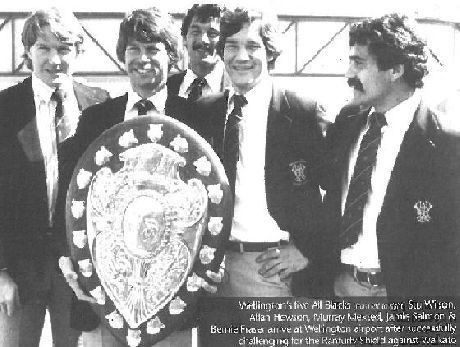
A beer with an All Black: Murray Mexted
- Wellington Club Weekly
- Above: Mexted with his Wellington All Black teammates Stu Wilson, Jamie Salmon and Allan Hewson with the Ranfurly Shield in 1981.
- Accepted from Rugby Club Weekly Feed
- Automatically tagged as:
- rugby
-
-
-
Yacht with no motor adrift in light winds
- Coastguard Mana
- Operation Details Date/Time: Mon, 18/04/2022 - 20:10 - 22:40 Operation Type: SAROP Cat 1 People Assisted: 2 Total Volunteer Hours: 15 25ft yacht with mechanical issues with outboard engine, left drifting in no wind after crossing Cook Strait. Nearly ran aground on the south end of Mana Island after being caught in the tide with no wind to sail. MR1 located off the north end of Mana Island after they drifted north in the incoming tide. Vessel Details Length: 8.00m Resources Attendees: CMFF Jake_Presling Mark Presling Neil Cornwell espi Trevor Farmer CRV's Used: Mana Rescue 1
- Accepted from Coastguard Mana news by feedreader
- Automatically tagged as:
- boating
- emergency-services
- kapiti
-41.046061, 174.75602
-
-
-
News from WCC about the Hīkoi mō te Tiriti
- Inner-City Wellington
- 15 November 2024 - Email from Wellington City Council Kia ora koutou, Hīkoi mō te Tiriti has organised a peaceful hīkoi to Parliament from Northland and the South Island, arriving in Pōneke next Tuesday 19 November to demonstrate against the Principles of the Treaty of Waitangi Bill and related issues.
- Accepted from News - ICW by tonytw1
- Tagged as:
- northland
- wellington-city-council
-
-
-
The First Announcement of CubaDupa 2020
- Cubadupa
- CubaDupa Returns to the Streets with a Beautiful Disruption Wellington’s favourite neighbourhood comes alive with colour, art, music, parades, dance, food, and thousands of creative people the weekend of 28-29 March 2020 WELLINGTON, NZ — All of New Zealand is invited to celebrate the country’s most vibrant and creative street festival, CubaDupa, disrupting the heart of Wellington on 28 and 29 March 2020. The multi-arts programme returns to the streets in a big and beautiful way—with a dozen stages, over 100 food stalls, special creative zones, 100,000 friends and neighbours, and one beautiful disruption after the other. “Our iconoclastic Te Aro neighbourhood will be filled with sights and sounds, parades and drum beats, street installations and public art”, says Festival Director Gerry Paul, who has programmed the most ambitious CubaDupa ever. “And at the heart of it all, ready to transcend the ordinary, are over 1500 artists and performers from the region and around the world”. Music is the very core of CubaDupa, and there will be no shortage of aural disruption in 2020. The festival will present a diverse free live music programme showcasing almost every genre. VNZMA winner Troy Kingi brings his irresistible galactic funk, alongside rising Hip Hop star JessB. Contemporary Canadian folk group The East Pointers join the party with their high-energy take on the Celtic tradition. Making the trip from across the ditch are Bullhorn, an epic 10-piece brass ensemble fronted by the extraordinary rapper Roman MC. Local groove masters Dr Reknaw and emerging New Zealand rockers H4lf Cast add their grooves to the weekend celebration. Musicians, sound experiences, and immersive electronic wizardry become a cornerstone of the 2020 CubaDupa with the festival’s most ambitious project ever, Cubasonic. The mass musical interruption—conceived by New Zealand’s leading composer John Psathas—involves nearly 500 musicians lining the street, twelve conductors above the crowd, a custom-made overhead sound system, and a locally-invented Tesla coil synthesiser known as Chime Red. Defying words, Cubasonic will be presented once each day—uniting the entire festival site with a ten-minute musicalhappening unlike anything ever attempted in New Zealand. The project is a true partnership of creative community, generously supported by Creative New Zealand and involving Orchestra Wellington, New Zealand Symphony Orchestra, Royal New Zealand Air Force Band, The Nudge, Boat and a mass of Batucada drummers. “CubaDupa is one of Wellington’s primary lightning rods, generating and releasing a massive, positive energy charge into the city every year,” says Psathas. “Festivals offer unique opportunities for ambitious ideas. At their best they give us experiences we never forget, experiences that exceed our expectations both in the witnessing of art and in the moments of massed connection that sneak up and take us by surprise. Cubasonic, played throughout the heart of Cuba Street, will be vast, epic, and monumental.” The 2020 musical acts will be presented across twelve stages, including the brand new Radio Active Upper Cuba SoundSphere, Wellington Airport Swan Lane, the Garage Project Wild Workshop stage, and a Glover Park zone designed in partnership with Massey University’s College of Creative Arts. “Festival audiences can experience an abundance of music, dance, street theatre and art activations taking place throughout our Te Aro precinct” says Paul. “After finding your groove with JessB or Bullhorn, join The Ping Pong Party People in a wildly creative table tennis championship, visit Shabby Salon for a drop-dead gorgeous makeover, then jump into the Weddings-and-Funerals installation.” Another new element making its debut at the 2020 CubaDupa is the Mammoth Circus Tent in the Wilson Carpark on Ghuznee St. The bold and colourful venue will host energetic performances and workshops for all ages by day, and transform into a saucy cabaret show by night. “It’s part of our desire to grow the festival in new ways, add interesting platforms, and showcase even more artistry and performers from all around the world” says Paul. “Families will experience circus shows by fabulous acts like COLOSSAL Productions, 3 Speed Crunch Box or Seven Deadly Stunts during the day, and then the older crowd can enjoy comedy and more provocative cabaret after dark”. A theme running through much of the 2020 CubaDupa programme is Intergalactic Madness—alien visitors, strange messages, and wondrous disruptions from other worlds. Big Nazo will invade from Rhode Island, with generous support from the Embassy of the United States of America, for their debut visit to New Zealand. The outlandish collective of visual artists, puppet performers and costumed musicians will bring their alien creatures to the streets and stages of CubaDupa. Closer to home, Alien Junk Monsters add their psychedelic recycled trash costumes—and a few new otherworldly offspring. And for the first time ever CubaDupa will play host to BodyPalooza, a new national body paint competition featuring over 30 artists and models painted as alien visitors. “There’s an eclectic and eye-opening experience for everyone at CubaDupa, because it’s a fearless celebration of who we are as a diverse and creative city, and what we have in this iconic neighbourhood”, says Eric Holowacz, CEO of Creative Capital Arts Trust. “Whether you are into new bands, raucous parades, or the search for extraterrestrial life, CubaDupa has it. I love it, because the weekend is always a highlight of the summertime, and an immersion in culture, creativity, and community.” For culinary disruptions that satisfy any appetite, the Moore Wilson’s Street Feast returns to CubaDupa, with over 100 food stalls and a diverse range of local vendors and culinary experiences. “CubaDupa is going to be the highlight of our upcoming tour in New Zealand”, says Koady Chaisson, of Canadian contemporary indie folk music trio The East Pointers. “We love playing in New Zealand, as there are a lot of similarities to our home in Prince Edward Island, but we don’t have anything like CubaDupa. We’ve heard such amazing things about this festival – this is going to take things in NZ to the next level. We can’t wait to get to Wellington and help light it up” The 2020 festival will take place on 28 and 29 March throughout the Cuba Street Precinct in the Te Aro neighbourhood of Wellington. To learn more about artists, programming, and opportunities at the 2020 CubaDupa, visit www.cubadupa.co.nz. CubaDupa is presented by the non-profit Creative Capital Arts Trust, and receives essential support from WellingtonNZ, Wellington Regional Amenities Fund, Wellington City Council, Wellington Airport, Cato Brand Partners, and generous sponsors such as ANZ, Kāpura/Wellington Hospitality Group, Creative New Zealand, ZM, The Wellington Company, Massey University College of Creative Arts, LightHouse Cinemas, Wellington Community Trust, Havana Coffee Works, Rogue & Vagabond, Fortune Favours, Garage Project, Orchestra Wellington, NZSO, Royal New Zealand Air Force Band, Victoria University, Embassy of the United States of America, Australian High Commission, Embassy of Ireland | New Zealand, Wellington Night Market, Wilson Parking and KPMG. FOR MEDIA ENQUIRIES Name: Cheree Ridder Email: Chereeridder@gmail.com Phone: 027 577 3520 Other contacts: Creative Capital Arts Trust Toi Poneke Arts Centre 65 Abel Smith Street, Level 2 Te Aro, Wellington CubaDupa 2020 Teaser Video: https://youtu.be/V-kF32KIyYQ Web – www.cubadupa.co.nz Facebook – https://www.facebook.com/cubadupa/ Instagram – https://www.instagram.com/cubadupa/ Twitter – https://twitter.com/cubadupa
- Accepted from Cubadupa news by feedreader
- Tagged as:
- cuba-street
- cubadupa
Cuba Street, Te Aro, Wellington, Wellington City, Wellington, 6040, New Zealand (OpenStreetMap)
-
-
-
Cancer patients benefitting from extra testing
- Capital & Coast District Health Board
- Additional testing is helping ensure that almost 1800 cancer patients per year are receiving safe and appropriate radiation doses during radiation oncology treatment.
- Accepted from Capital Coast Health Feed by feedreader
- Automatically tagged as:
- hospital
- scraper-required
-
-
-
Notes from June meeting and AGM
- Cycle Aware Wellington (CAW)
- A smaller crowd due to the bad weather.
- Accepted from Cycle Aware Wellington posts by feedreader
- Automatically tagged as:
- lobby-groups
- cycling
-
-
-
Regional deluge from ex-cyclone Debbie
- Greater Wellington Regional Council
- Rain gauges operated by Greater Wellington detail the extent that rainfall brought by the ex-cyclone Debbie had over the region.
- Accepted from GW Feed by feedreader
- Tagged as:
- wellington
-
- 1
- 2
- 3
- 4
- 5
- 6
- 7
- 8
- 9
- 10
- 11
- 12
- 13
- 14
- 15
- 16
- 17
- 18
- 19
- 20
- 21
- 22
- 23
- 24
- 25
- 26
- 27
- 28
- 29
- 30
- 31
- 32
- 33
- 34
- 35
- 36
- 37
- 38
- 39
- 40
- 41
- 42
- 43
- 44
- 45
- 46
- 47
- 48
- 49
- 50
- 51
- 52
- 53
- 54
- 55
- 56
- 57
- 58
- 59
- 60
- 61
- 62
- 63
- 64
- 65
- 66
- 67
- 68
- 69
- 70
- 71
- 72
- 73
- 74
- 75
- 76
- 77
- 78
- 79
- 80
- 81
- 82
- 83
- 84
- 85
- 86
- 87
- 88
- 89
- 90
- 91
- 92
- 93
- 94
- 95
- 96
- 97
- 98
- 99
- 100
- 101
- 102
- 103
- 104
- 105
- 106
- 107
- 108
- 109
- 110
- 111
- 112
- 113
- 114
- 115
- 116
- 117
- 118
- 119
- 120
- 121
- 122
- 123
- 124
- 125
- 126
- 127
- 128
- 129
- 130
- 131
- 132
- 133
- 134
- 135
- 136
- 137
- 138
- 139
- 140
- 141
- 142
- 143
- 144
- 145
- 146
- 147
- 148
- 149
- 150
- 151
- 152
- 153
- 154
- 155
- 156
- 157
- 158
- 159
- 160
- 161
- 162
- 163
- 164
- 165
- 166
- 167
- 168
- 169
- 170
- 171
- 172
- 173
- 174
- 175
- 176
- 177
- 178
- 179
- 180
- 181
- 182
- 183
- 184
- 185
- 186
- 187
- 188
- 189
- 190
- 191
- 192
- 193
- 194
- 195
- 196
- 197
- 198
- 199
- 200
- 201
- 202
- 203
- 204
- 205
- 206
- 207
- 208
- 209
- 210
- 211
- 212
- 213
- 214
- 215
- 216
- 217
- 218
- 219
- 220
- 221
- 222
- 223
- 224
- 225
- 226
- 227
- 228
- 229
- 230
- 231
- 232
- 233
- 234
- 235
- 236
- 237
- 238
- 239
- 240
- 241
- 242
- 243
- 244
- 245
- 246
- 247
- 248
- 249
- 250
- 251
- 252
- 253
- 254
- 255
- 256
- 257
- 258
- 259
- 260
- 261
- 262
- 263
- 264
- 265
- 266
- 267
- 268
- 269
- 270
- 271
- 272
- 273
- 274
- 275
- 276
- 277
- 278
- 279
- 280
- 281
- 282
- 283
- 284
- 285
- 286
- 287
- 288
- 289
- 290
- 291
- 292
- 293
- 294
- 295
- 296
- 297
- 298
- 299
- 300
- 301
- 302
- 303
- 304
- 305
- 306
- 307
- 308
- 309
- 310
- 311
- 312
- 313
- 314
- 315
- 316
- 317
- 318
- 319
- 320
- 321
- 322
- 323
- 324
- 325
- 326
- 327
- 328
- 329
- 330
- 331
- 332
- 333
- 334
1381 - 1410 of 10000
Matching websites
-
-
Wellington Judo Academy
- The Wellington Judo Academy is proudly one of the oldest martial arts clubs in New Zealand. Established in 1955, the Academy is still dedicated to the core values that we’ve held from the beginning; providing high quality instruction in the Japanese Martial Art of Judo to both skilled judoka and amatuers alike.
- Tagged as:
- self-defence
Animates, Hutt Road walkway, Highland Park, Kaiwharawhara, Wellington, Wellington City, Wellington, 6035, New Zealand (OpenStreetMap)
-
-
-
Ol? Soccer Academy
- The Olé Soccer Academy is a private organisation founded in November 1997, by a group of businessmen eager to see soccer progress at junior level, for girls and boys. Former All White Coach Ken Dugdale now coaching in the NSL with the Football Kingz, provided the coaching direction the Academy has taken from his vast experiences overseas.
- Tagged as:
- soccer
-
-
-
Hutt Cricket Academy
- The Hutt Cricket Academy is a multi purpose indoor facility based out of the Hutt Rec Grandstand in Lower Hutt.
- Tagged as:
- cricket
- hutt-valley
-
-
-
Arts Wellington
- The Wellington Regional Art & Cultural Development Trust (Arts Wellington) is a charitable trust that provides networking opportunities, communication platforms, advocacy and capability building forums for our membership base. Our members are made up of most of the Greater Wellington region’s professional arts, culture and heritage organisations, arts service organisations and education institutions.
- Submitted by tonytw1
- Tagged as:
- art
-
-
-
International Festival of the Arts
- A profile of the New Zealand Festival
- Tagged as:
- art
- events
-
-
-
NZ Artist Margaret Morris
- A site displaying Artwork by av ersatile local artist.
- Tagged as:
- religious-groups
-
-
-
Brooklyn Early Childhood Centre
- Brooklyn Early Childhood Centre provides quality early childhood care and education for children aged 12 months to five years. Our session times are Monday to Friday, 8.30 am to 2.30 pm. Children must be picked up no later than 2.45 pm. Each session caters for 20 children.
- Tagged as:
- wcn-hosted
- brooklyn
96a Washington Ave, Brooklyn, Wellington
-
-
-
Samba Futsal Academy
- Submitted by tonytw1
- Tagged as:
- soccer
-
-
-
Creative Capital Arts Trust
- The Creative Capital Arts Trust (also known as CCAT or See-Cat) is a non-profit charitable organisation established in 2011 to support the creative life and cultural identity of New Zealand's capital city. We are professionally managed by a team of extraordinary arts administrators, seasoned festival producers, and emerging talents—led by chief executive Drew James. Our programmes include the annual New Zealand Fringe Festival and the free creative street festival CubaDupa, but a few new ideas are on the horizon.
- Submitted by tonytw1
- Tagged as:
- art
-
-
-
Newtown Early Learning Centre
- In February 1985, a small group of parents and caregivers decided to set up a community crèche, which opened in June 1985 with one paid worker supported by parent helpers. Over time, the crèche evolved into a fully professional education centre with qualified teaching staff. The community of parents and caregivers still owns and governs the Centre, and the community is still involved in its day-to-day running.
- Submitted by tonytw1
- Tagged as:
- newtown
- preschool
Newtown Community Creche, Daniell Street, Newtown, Wellington, Wellington City, Wellington, 6021, New Zealand (OpenStreetMap)
-
-
-
Young and hungry arts trust
- The Young and Hungry Arts Trust is a charitable organisation that was founded in 1994 in association with BATS Theatre. Young and Hungry arose out of a need to provide young people, aged 15-25 years, with opportunities to gain hands-on theatre experience within a professional structure.
- Submitted by tonytw1
- Tagged as:
- theatre
-
-
-
Mana Arts Society
- We're a group of friendly and supportive local artists in Plimmerton. We hold exhibitions in our clubroom three to four times a year and welcome members of the public to enjoy the art on display.
- Submitted by tonytw1
- Tagged as:
- art
- community-groups
- plimmerton
-
-
-
Royal Port Nicholson Yacht Club (Inc)
- Tagged as:
- boating
Royal Port Nicholson Yacht Club, 103, Oriental Parade, Oriental Bay, Wellington, Wellington City, Wellington, 6011, New Zealand (OpenStreetMap)
-
-
-
Family Martial Arts - Kenpo Karate Wellington
- We are a family oriented martial arts academy. Our mission is to assist families in our community to develop life-skills, positive relationships and the joy of successful achievement by training together in the art of Kenpo Karate. Out unique rotating curriculum and family classes make learning fun and easy. Visit our website and discover why many people just like you have found fitness, fun and freindship through Kenpo Karate; the most effective, safe and logical martial art in the world. Classes held in the city (Mt Cook), Miramar, Whitby, Eastbourne, Johnsonville
- Tagged as:
- hutt-valley
- self-defence
- mount-cook
-
-
-
Grow From Here
- An organic focused garden store. Abel smith St between Cuba and Taranaki in Te Aro.
- Submitted by tonytw1
- Tagged as:
- retail
-
-
-
Wellington College of Languages
- Established in 1991, WCL is a specialist English Language Academy. Courses are offered in High School Preparation, Examination Preparation, Business and General English.
- Tagged as:
- education
-
-
-
Motive - net communication with intent
- Motive is a new media design agency. We provide a range of consultation, design and production services. Our intent? Creating an effective dialogue between you and your audience.
- Tagged as:
- design
-
-
-
Bach Choir of Wellington
- The Bach Choir exists to explore and honour in performance the beauties and wonder of choral music from the past four centuries with particular emphasis on the music of J.S. Bach and his contemporaries.
- Tagged as:
- singing
- wcn-hosted
-
-
-
The Shape of Money
- A free and comprehensive residential property investment calculator from Wellington-based financial planners, the Shape of Money.
- Tagged as:
- real-estate
-
-
-
Friends of Karori Cemetery
- Our purpose is to advocate for and develop the heritage and ecological values of Karori Cemetery, and to assist with grave/plot restoration.
- Submitted by tonytw1
- Tagged as:
- community-groups
- karori
- local-history
Karori Cemetery, Northland, Wellington, Wellington City, Wellington, New Zealand (OpenStreetMap)
-
-
-
Guardians of Pauatahanui Inlet
- Pāuatahanui Inlet is the only large estuarine wetland left in the lower half of New Zealand's North Island. It is at risk, mainly from human activities in both the Inlet and its catchment. We call ourselves the 'Guardians of Pāuatahanui Inlet' because we work to promote recognition of the ecological, recreational and cultural values of the Inlet.
- Tagged as:
- conservation
- porirua
Porirua Harbour, Porirua, Porirua City, Wellington, New Zealand (OpenStreetMap)
-
-
-
Islamic Circle of Aotearoa
- The Islamic Circle of Aotearoa (ICA) is a vibrant and inclusive organization dedicated to serving the Muslim community in New Zealand. Established with the aim of fostering a strong sense of unity and faith, ICA provides a welcoming environment for individuals and families to connect, learn, and grow in their Islamic faith.
- Submitted by tonytw1
- Tagged as:
- waterfront
- religious-groups
-
-
-
Sisters of Compassion
- The Daughters of Our Lady of Compassion, commonly known as the Sisters of Compassion, is a congregation founded in New Zealand in 1892 by Suzanne Aubert. Island Bay is the site of the Congregation Headquarters and associated Services, including a Child Care Centre.
- Tagged as:
- island-bay
- religious-groups
-
-
-
Archdiocese of Wellington
- The basic administrative unit of the church is the diocese or 'particular church'. The Archbishop of Wellington is responsible for the pastoral care of the 83,214 (2006 census) Catholics living in the archdiocese.
- Tagged as:
- catholic
-
-
-
Friends of Te Papa
- Friends of Te Papa, formerly Friends of the National Art Gallery, was founded to encourage involvement with the gallery and support the acquisition of new works for the collection. For more than 20 years, our valued Friends of Te Papa members have supported Te Papa by contributing to Te Papa’s collections through the purchase of artworks, taonga, and other collection items, by regularly visiting Te Papa to view exhibitions and attending a wide range of programmes.
- Submitted by tonytw1
- Tagged as:
- community-groups
- te-papa
-
-
-
Friends of Maara Roa
- Maara Roa is a forest restoration project at Cannons Creek Valley near Porirua. Its purpose is to restore the Bush back to what it was before the people who ruined it came. The project started in 2000, after some gorse fires destroyed yet more sections of native bush. A small group of people met to see if something could be done to stop it. The Friends of Maara Roa grew from that.
- Tagged as:
- cannons-creek
- conservation
- lobby-groups
- wcn-hosted
Maara Roa (Cannons Creek lakes towards Duck Creek pathway), Cannons Creek, Porirua, Porirua City, Wellington, 5025, New Zealand (OpenStreetMap)
-
-
-
The life and times of James Walter Chapman-Taylor
- ‘The life and times of James Walter Chapman-Taylor’ enables us to enter into the life and times of a man, a family, a society, and ways of thinking and acting different to, yet not so distant from, our own. We enter the world of an architect, who is also an artist; builder, craftsman; a theosophist, an astrologer, a photographer, a furniture maker.
- Tagged as:
- heritage-buildings
- art
-


