
Wellington and Government
-
-
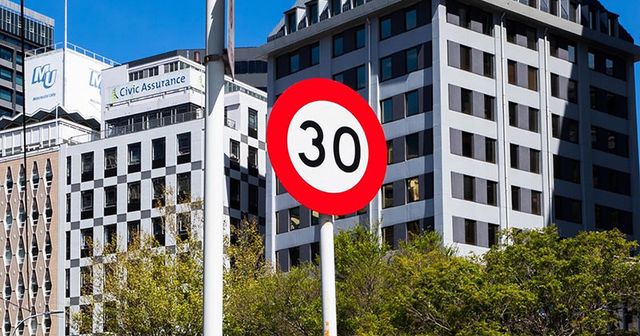
30km/h in the central city from July
- Let's Get Wellington Moving
- From the end of July speed limits on most central city streets will change from 50km to 30km - making our central city more more pleasant and appealing for everyone, especially for people walking and riding bikes. The final decision was made unanimously by Councillors at Wellington City Council on Thursday.
- Accepted from LGWM news by feedreader
- Tagged as:
- councillors
- people
- wellington
- speed-limits
-
-
-
Greater Wellington wetland and rivers get $10m boost
- Greater Wellington Regional Council
- Greater Wellington wetlands and rivers are getting a vital $10m boost from the Government’s post-Covid-19 jobs for nature programme.
- Accepted from GW media releases 2019 by feedreader
- Tagged as:
- covid-19
- government
- wellington
-
-
-
Economic research charts sharp fall then slow growth until 2030
- Greater Wellington Regional Council
- More information is emerging on the likely shape of the Wellington region’s post-COVID-19 economy.
- Accepted from GW media releases 2019 by feedreader
- Tagged as:
- art
- covid-19
- wellington
-
-
-

Give ‘Em The Axe
- Wellington Club Weekly
- The Wellington Football Club celebrates its 150th Anniversary in 2020 and a new book, “Give ‘Em The Axe’ has been published to mark the milestone. Written by club President and leading rugby commentator Keith Quinn, the nearly 200-page book is not your typical dry club history. Containing a photograph on almost every page the chapters...
- Accepted from Club Weekly 2020 by feedreader
- Tagged as:
- rates
- rugby
- wellington
-
-
-
Plimmerton Farm: getting greenfields right
- Talk Wellington
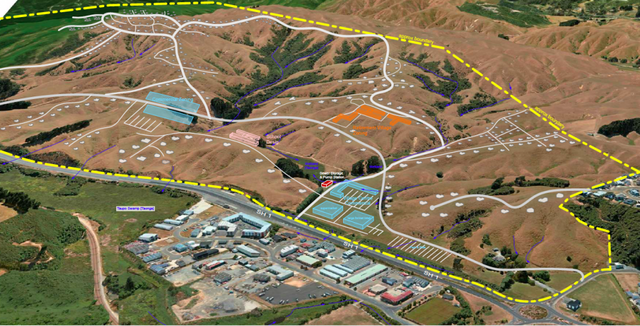
- If we’re hellbent on doing more residential development in greenfields, what does “decent” look like in Plimmerton, hilly land near an existing suburb – like most of our region’s greenfields? This post is basically a guide for anyone who cares about Plimmerton, good urban development, or healthy wetlands, streams and coast, but is time-poor and can’t face going through the truckloads of documents they’ve stuck up without any specific meta-guidance (some FAQ are here). Hopefully this will help you pop in a submission! PCC’s “information” pages they suggest you use for submitting. Every one of these is a large PDF document, 90% written in technical language… aargh! The background: what where and how For those who don’t know, Plimmerton Farm’s a big proposed subdivision of hilly farmland draining into the significant Taupō Wetland and to Plimmerton Beach, just over the train line and highway from Plimmerton village (original Ngāti Toa name: Taupō). It’s going through a Streamlined Planning Process, a pre-COVID government scheme for accelerating development. The key step is the requisite change of the land’s zoning in the Porirua District Plan (“rural” zone to “residential” and other “urban” zones) that sets out what kind of stuff can then be built, where. It’s mostly streamlined because there’s just one shot for the public to have input on the plan change. One shot. Why submit? I was born and raised in Plimmerton, live here now, and intend to for the rest of my days. I’d love to see it grow, well. I would love Plimmerton to get more wallets, more hearts and minds, more faces (more diverse ones too!). But not with more traffic, and pointless damage to our environment. Right now, the proposal has some serious flaws which need sorting. I say Sorting because the changes won’t make it crazy innovative, just good enough for a development in the spot it is, being kicked off in 2020. Time matters too: there’a a bunch of good things happening imminently (and some bad Porirua trends that need to be reversed). I cover these in Get it right, below. It’s worth submitting because given the situation, a 1990s-grade development just won’t cut it. So what about Plimmerton Farm needs to change? It boils down to two themes: dial down the driveability and dial up the liveabilitymake Local the logical and easy choice for daily needs I’ll outline what needs to change in each. NOTE: There’s a third – don’t stuff the wetlands and streams. This is really important as Taupō Wetland is regionally significant, and all our streams and harbours have suffered from frankly shameful mismanagement of sediment from earthworks-heavy subdivisions like Aotea and Duck Creek, and from the earthworks-a-rama of Transmission Gully. Friends of Taupo Swamp have an excellent submission guide for you – add in some of their suggested bits to your submission. I: Dial down the driveability, dial up the liveability There aren’t many truly black-and-white things in life, but there’s one for towns: If a street is nice to drive in, it’ll be a crappy place to do anything else in (walk / eat / hang out / have a conversation / play / scoot or cycle / shop / have a pint). If it’s nice to do anything else in, it’ll be a crappy place to drive in. Mostly this is because of the nature of the automobile: big solid things that smash into our soft bodies if someone makes a mistake (75% odds of death if that’s at 50km/hour, 10% odds of death if at 30km/hour) big objects that need lots of space for manoeuvering and especially parking – which offstreet can be crazy expensive and push up the cost of a home, and onstreet hoover up valuable public space. big solid things driven by us real humans (for a while at least) who respond to the environment but also get distracted, and generally aren’t good at wielding these big solid things safely. The transport setup proposed for Plimmerton Farm makes for a much too driveable and poorly liveable place. 1. Narrow down all the roads. The current proposal’s roading setup has roads and streets that are too big, and there’s too much of them. Right sized roads for a liveable community The cross-sections for the roads include on-street parking and really wide lane widths. This is really gobsmacking for a consortium that talked a big talk about good practice. For all the reasons that Low Traffic Neighbourhoods are good, this is bad. (And it’s especially nuts when you realise that the excessively wide “arterial” roads (11 metres!) will need earthworked platforms built for them where they’re drawn running up the sharp ridges and across the tops of gullies. Expensive, damaging for the environment, and … what were they thinking?) So recommended changes: NARROW DOWN THE ROADS. Seriously. Design all the living-area streets and roads, and the centre, to be self-explaining for an operating traffic speed of 30km or less – that’s the speed where mistakes are rarely fatal. What does that look like? The designers will know and if they don’t they should be fired. Narrower crossing distances; chicanes (great way to incorporate green infrastructure and trees and seating!); narrowed sight-lines (trees! sculpture!) so no-one driving feels inclined to zoom. Reduced trafficked lanes (rori iti on the larger roads!), with properly wide and friendly footpaths. Threshold treatments, humps, modal filters, all the things we know very well are the natural ways to slow us down when driving, and make streets nicer for people. The beauty of all this “restriction” on driving is how much it frees us up for making everything else appealing. Streets become hospitable for kids to walk, scoot, bike to school safely, using the road not the footpath. Older people and those with impairments can walk and wheelchair safely. Teens coming home from town of an evening can scoot or bike home, safely. Popping down to the shops or for a coffee or to the train becomes a pleasure to do on foot, or on a scooter or bike. And you’re moving in a legitimate way – seeing and being seen, not stuck off in the bush on a “recreational” track like what they’ve described. The ordinary streets and roads are walkable, bikeable, scootable, mobility-scootable, and perfectly driveable, equally safe and useable in all weathers and anytime of day or night. Used to be a big, fast road. Now, kids bike to school and old people can chill out on it. (Mark Kerrison) (And in case you’re worried about firetrucks / rubbish trucks / buses, recall that on even Wellington City’s far more winding, narrower hilly streets everyone gets their rubbish collected and fires fought just fine. On public transport, smaller buses, like those that community transport operators use, are the way of the future for less densely-populated areas like this). Don’t build the through and loop roads. You don’t need signs like this when the only people who bother to drive in are those who live there, or who are visiting friends, because you just have to drive out again the way you came. When it’s the place you live, you’re invested in not being a dick far more than if you’re just out for a drive – or worse, out for a bit of a boyrace hoon on a massive loop route through a whole place. So just don’t build those big connector roads that enable people to drive easily from one residential area to the next, especially the ones up in the hilltops (section C) that just say “come for a hoon!” Instead, connect the living spaces heavily with bikeable, walkable, scootable, disability-friendly streets and lanes, and as much as possible, only one way in and out for cars from each living area. II: Make local logical and easy Plimmerton is a true village, with a great little centre (including a train station!) but Plimmerton Farm is ultimately a damn big area. The way to go is to enable people to get the basics of life – like school, groceries, a coffee – with a little local trip on foot, bike or scooter – it’s more of a bother to get in the car. Right now though, it needs two changes: 1. Provide for a second centre “Bumping into” spaces are known to be crucial to a feeling of neighbourhood, and in the (initial) absence of third places (worship places, community hall, sports club, cafe/pub, a supermarket is a vital social centre. Yet the north end of Plimmerton Farm is currently a deadzone for anything except residential. What things will probably look like under current layout. Like in Edwards Scissorhands without the interest of a castle. There’s no provision for a place to do your household groceries, so people will drive to Mana New World – more car trips – and less opportunity to bump into people who live nearby. (There’ll be no school in Plimmerton Farm for a while, because Ministry of Education isn’t allowed by the Education Act to build a school somewhere until there’s a certain population density of kids to fill it. A shitty Catch-22 for developments which is hopefully going to be fixed … sometime. Just another reason to make walking, biking and scooting really kid-friendly, as extra dropoff traffic for kids going to St Theresa’s, Plimmerton School, Paremata and Pukerua Bay schools will be a nightmare.) So they should provide for an additional centre in the north, including a groceries place of some kind. 2. Intensify within walking distance of Plimmerton proper. We should intensify properly, with lots of medium and even some high density (6 storeys of nicely laid-out density done well!) in the area that’s within a 5-minute walk of Plimmerton Village. The more people can live and work with access to all its many amenities, and its rail station (10 min to Porirua, 30 min to Wellington), the better. But there’s not enough density provided for there. Plimmerton Railway station: buzzing in 1916 and has only got bigger. (Photo: Pātaka Porirua Museum) So they should add another zone – E – of higher density in that 5-minute walking catchment of Plimmerton Village. What could it look like? A good example is 3333 Main, Vancouver . Submission tips On the site they ask you to fill in a Word or PDF form, saying which specific bit of the gazillion proposals you are talking about and the specific changes you want. This is a BS way to treat the vast majority of people submitting: normal non-professionals, just regular people who care about good development and liveable places. So just don’t worry about that. In those question 6 column boxes just put “Transport” and “Layout”. It’s the professional planners’ job to figure out specifically how to change a planning document. Just be specific enough that they know what you want to see. The text above is worth copying and pasting – it’ll be enough. And don’t forget the Friends of Taupo Swamp and Catchment advice is essential – definitely go read and use. That’s all you really need – just go submit! But if you’re keen to know more reasons why they should be doing this better, here’s some… Get it right, now Once this plan change is through, traditional developers like Gillies like to whack in all the infrastructure – hello, massive earthworks. And yet the place will take decades to fill with actual people – those hearts and minds and wallets. (Note even before COVID, Porirua’s growth rate was 0.1% per year. Yep, one tenth of one percent.) And extra pressure’s on to do this better because all these things are features of the next one to three years: the One Network Road Classification (sets the design specs for roads of different types) is being updated right now to be more people-friendly in the specs for roads in residential and centre areas, so designs like Plimmerton Farm’s will soon be Officially Bad Practice Sales and riding of e-bikes and e-scooters are going through the roof, continuing through and beyond COVID – this shows no signs of slowing, and prices are dropping. E-power flattens the hills of Plimmerton Farm and makes wheely active travel a breeze for the middle-class people who’ll be living here, if the streets and roads are hospitablePlimmerton Railway Station (on the most popular Wellington train line) is being upgraded to be a terminus station – i.e. better servicesThe Wellington Regional Growth Framework is setting a bunch of directions for councils on how to grow well, including well-known but often well-ignored issues like intensifying around public transport hubs Councils will soon be required to do to a bunch of a bunch of international good practice including get rid of many minimum parking requirements (in the news lately), and to upzone (enable intensification) of landuse in the walking catchment of public transport hubs. (5 min walk = approx 400 metres, 10 min = 800m).Bad trends we need to stop: Porirua’s really high car-dependency (we own cars a lot and drive a lot) is continuing, due to car-dependent urban form [PDF]– despite nice words in council’s strategic intentions.People living outside Wellington City are mostly to blame for our region’s 14% increase in emissions from transport in just 10 years. OK go submit now – and share with anyone who you think might care!
- Accepted from Talk Wellington posts by feedreader
- Tagged as:
- paremata
- porirua
- transmission-gully
- sculpture
- government
- parking
- design
- covid-19
- law
- planning
- wellington
- education
- developments
- sport
- buses
- coffee
- zoo
- people
Wellington Zoological Gardens, Manchester Street, Melrose, Wellington, Wellington Region, 6021, New Zealand (OpenStreetMap)
-
-
-
Weekly Wrap Up (Week 11, Term 2)
- Wellington High School
- Important Dates Monday 29 June: Open Evening 6pm Wednesday 1 July: Music Evening 7pm Friday 3 July: End of Term 2 Monday 20 July: Start of Term 3 Wednesday 22 July: Parents’ Evening (Senior Students) Monday 27 July: Parents’ Evening (Junior Students) Important Information Board of Trustees by-election results As a result of the recent Board of Trustees by-election, Dr Wyatt Page has been elected to the Board. Wyatt will join the Board with effect from the next meeting on Monday 27 July. Reports and parent-teacher meetings Learning Profile reports for Term 2 are now available for download from the Parent Portal (see Results > Reports). Parent Teacher meetings will take place on Wednesday 22 July (Senior students) and Monday 27 July (Junior students). To make appointments go to: Go to: https://www.schoolinterviews.co.nz/ Enter the code: vdm7q (Juniors) or 5yjhn (Seniors) Choose the SUBJECT then the TEACHER. Please leave a five minute gap between bookings. Note that we are only able to run one conversation with each teacher per student. If you are hearing impaired the Riley Centre can be a challenging environment: please email admin@whs.school.nz and we will aim to accommodate your bookings separately. Revised guidance on testing for COVID-19 The Ministry of Education has circulated the following information to all schools: At a time where there are increasing numbers of colds and other winter illnesses, the Ministry of Health has revised its guidance on who might need testing for COVID-19. It is important to note that there is currently no known community transmission of COVID-19 in New Zealand. The vast majority of adults, children and young people with symptoms consistent with COVID-19 will not have COVID-19. Symptoms of COVID-19 can include new onset or worsening of one or more of the following: Cough Fever Sore throat Runny nose Shortness of breath/difficulty breathing Temporary loss of smell Health’s information on who should get tested notes that people with any of the COVID-19 symptoms who are close contacts of confirmed cases, have recently travelled overseas, or been in contact with recent travellers, should get assessed. If anyone has symptoms but is unsure if they have been exposed to COVID-19, they should ring Healthline on 0800 358 5453 or their GP for advice. Over winter there are many other viruses about that can cause people to feel unwell and have symptoms similar to those of COVID-19. Some people with symptoms consistent with COVID-19 may be tested as part of Health’s ongoing surveillance to ensure that there is no community transmission in New Zealand. If they are not close contacts of confirmed cases, have not recently travelled overseas, or have not been in contact with recent travellers, then there is no need for them to self-isolate while awaiting the test result, and they can return to school once they are feeling well. If not recommended for testing, they will be able to return to school or their early learning service when they are feeling well and no longer displaying symptoms. Wallace Street roadworks update The current phase of the Wallace Street roadworks is due for completion by the end of the month. As long as the rain holds off, Wallace Street should be re-opened to through traffic on 1 July. Following this, however, works will need to get underway along Wallace Street, near Massey University’s entrance, to upgrade wastewater pipes. This will take place in off peak hours (9.00am-4.00pm) on weekdays and traffic will often be reduced to a single lane with Stop / Go control. This is likely to take two months to complete. What’s happening? Economists breakfast with Dr Allan Bollard On Thursday, Year 13 Economics students Sarah Bennett and Rachel Woolcott, attended a Cullen Breakfast at the Wellington Club. Speaking at this week’s breakfast was Dr Alan Bollard, who has held numerous senior positions in Government and interGovernmental agencies. Dr Bollard discussed the economic impact of the covid epidemic and then participated in a question and answer session. Sarah said “the range of angles in the topic discussed was thought provoking”. Rachel commented “it was a very interesting discussion and I enjoyed listening to his jokes and insight.” Year 13 performance of ‘Girls like that’ Evan Placey’s Girls Like That is an ensemble play that explores the pressures young people face today in the face of advancing technologies. Year 13 Drama students produced and performed this play this week. The students are to be congratulated for their sophisticated performance which was an enduring piece of theatre, an achievement all the more impressive when considering that much of this production was conceived and developed during lockdown. Congratulations to all, and to Drama teacher Roger Mantel. He Kākano The He Kākano students have been engaged in a range of creative activities, cognitive thinking skills and maths throughout the week. Winter in the garden The weather over the past few weeks has seen our horticulture students spend time on maintenance, cleaning and repairing tools including secateurs. They will be well prepared for winter pruning and work outside once the weather improves. Instrumental & vocal lessons update If your Junior student is interested in taking instrumental / vocal lessons but has not yet enrolled, please download the form from the Student Hub and hand in or email the completed form to Fritz Wollner Lessons will be reorganised for Terms 3 and 4. If students have not been attending regularly, they need to see Mr Wollner as soon as possible to ensure they do not lose their spot. Achievements National Bridge Speech competition place secured Year 13 Amelia Smith qualified for a place in the National Bridge Speech competition following her success in the regional Chinese speech competition last week. Amelia will represent the North Island outside Auckland region in the competition, to be held at Victoria University on Sunday 2 August. At that event, each qualified candidate will need to present a speech, perform to demonstrate a skill and answer questions in Chinese. Finalists will represent New Zealand and compete with candidates from all over the world in October. We wish Amelia luck as she progresses through the competition. Sports Junior girls football For the first time in many years WHS has a junior girls football team out in competition. Their most recent game resulted in a very close 2-1 loss but the girls had fun and were very impressive despite some players not having very much experience. This team could not have gone ahead without the support of parents who helped with both transport and officiating. Special thanks to Bea Gladding and Jennifer Argyle who are the coach/manager dream team who make this team possible. Below are some photos of the action and sideline support. Basketball Basketball is underway with all teams at WHS having played at least one game so far. Big thanks to Jason Reddish who is taking on the entire boys programme at school which includes four teams and doing a great job. Another big thanks to Nick Andrews who along with a parent is coaching the Senior girls team. Junior Boys play on a Tuesday and another junior team plays on a Thursday. All Senior teams play on Fridays, with the top boys and girls team playing at the ASB Centre. Below are some photos from the first junior basketball game. Boys 1st XI football The 1st XI played their first game of the season, bringing home a 5-1 victory against St Patrick’s Silverstream. Their next fixture is against Newlands College this coming weekend.
- Accepted from WHS news by feedreader
- Tagged as:
- newlands
- water
- government
- transport
- music
- covid-19
- theatre
- wellington
- education
- art
- basketball
- people
Wellington High School, Taranaki Street, Mount Cook, Wellington, Wellington City, Wellington, 6011, New Zealand (OpenStreetMap)
-
-
-
Metlink to boost electric buses from 2 to 22 per cent of its fleet to meet climate change goals and passenger growth
- Greater Wellington Regional Council
- From left to right: Cr Daran Ponter – Chair, Greater Wellington Keven Snelgrove – Tranzit Brendan Prince – NZBus James Howard – Tranzit Cr David Lee – Greater Wellington Cr Roger Blakeley – Greater Wellington The ink has dried on contracts for 98 new electric buses, which will take Metlink’s fleet of electric buses to 108, significantly reducing its carbon footprint and taking Greater Wellington a step closer on its target of carbon neutrality by 2030. Metlink currently has 450 buses in its active fleet in the Wellington region 10 of which are EVs, making up two percent of the fleet. Once the 98 buses are added to the fleet the proportion of EVs will rise to 22 per cent which, excluding market leader China, is high by international standards. Seventy-three of the buses will be used on current scheduled services with a further 25 to be progressively added to routes to meet future network growth. The new electric buses will eventually take 61 diesel buses off the roads, leading to a 17 per cent drop in carbon emissions and a similar reduction in harmful emissions. Greater Wellington is delivering on its promise of a building a modern low emission bus network according to Chair Daran Ponter. “I’m sure that people across the region will be pleased to see another 61 diesel buses taken off the road and this will drive real climate benefits by deploying the new electric buses on high use areas of the network. “Just like our plans for rail, this is also about ensuring we have a fleet in place that can cope with rising population trends and demand for public transport over the next few years. That’s why 25 buses will be used to accommodate forecast passenger growth without an increase in emissions,” added Chair Ponter. Climate Committee chair Cr Thomas Nash said we have to provide attractive alternatives to our current 20th century car culture if we’re serious about responding to climate change. “Over the last two decades transport emissions rose by 14 per cent across the region, mainly from fossil fuel burning cars and trucks. “We need a real step change here and we know we can move far more people with far fewer vehicles if we provide high quality public transport. A modern, comfortable low emission fleet will play a key role in attracting new passengers, encouraging them to embrace public transport. We’ve got an opportunity to break free from the car-dominated landscape that’s been driving pollution in our cities - let’s take it,” added Cr Nash. Roger Blakeley, chair of Greater Wellington’s Transport Committee, said that the new fleet will also attract more bus drivers to the region. “This new fleet shows our intentions for growing the network and obviously more buses means more drivers. We want buses that drivers can be proud of and these state of the art buses, many fitted out right here in New Zealand, will help us attract drivers that want to be at the forefront of the public transport industry in New Zealand and internationally.” As part of the deal, NZ Bus will source 67 ready-to-go large single decker EVs from China and Tranzurban will build 31 double decker EVs at Kiwi Bus Builders in Tauranga, with parts sourced from world leading Chinese bus manufacturers. NZ Bus CEO Barry Hinkley said he was delighted that NZ Bus was making a significant contribution to NZ’s environmental performance, commenting that growing the number of EVs in its fleet is the right way forward as NZ Bus looks to a future of reduced fossil fuel usage. "With these 67 new electric buses, NZ Bus is proud to be having the largest EV bus fleet in New Zealand. With these new orders, we will see our EV fleet grow to at least 85 buses in the short term. "Obviously, we all should try and do as much as we can to look after our environment; taking public transport is a great way of reducing emissions, and electric public transport is an even better way. “We’re committed to doing our bit to help reduce emissions in New Zealand and at the same time provide people with a safe and easy way to get around,” said Mr Hinkley. Tranzurban Director Keven Snelgrove said today’s announcement is a clear demonstration of the company’s commitment to partnering with Greater Wellington and pioneering and investing in electric bus technology and infrastructure in New Zealand. He says the 31 new double deck EVs add to the company’s fleet of 10 New Zealand-built double deck EVs successfully in operation in Wellington already. “This new fleet will deliver multiple benefits of being New Zealand built, adding to our modern and reliable electric bus fleet and help reduce carbon emissions and air pollution for Wellingtonians.” The buses will be delivered between mid-2021 and early 2023.
- Accepted from GW media releases 2019 by feedreader
- Tagged as:
- rowing
- wellington
- art
- buses
- people
- electric-vehicles
-
-
-
Council confirms annual plan and reduced rating level increase for 2020/21
- Greater Wellington Regional Council
- Greater Wellington confirmed that its 2020/21 regional rates increase would be cut from the long term plan proposed average of 6.
- Accepted from GW media releases 2019 by feedreader
- Tagged as:
- rates
- wellington
-
-
-
Movin’March rallies student numbers despite COVID-19
- Greater Wellington Regional Council
- Names have been drawn and winners have been announced for Greater Wellington Regional Council’s month-long initiative that encouraged students to walk, cycle and scoot to school.
- Accepted from GW media releases 2019 by feedreader
- Tagged as:
- covid-19
- wellington
-
-
-
Cricket Wellington celebrates National Volunteer Week
- Cricket Wellington
- This week is National Volunteer Week (June 21-27) which celebrates the collective contribution of all volunteers who...
- Accepted from Cricket Wellington news 2020 by feedreader
- Tagged as:
- cricket
- rates
- wellington
-
-
-
Greater Wellington shutting the door on invasive pest plants
- Greater Wellington Regional Council
- Greater Wellington Regional Council’s Biosecurity team has announced a 10-year-programme to prevent the invasion of three of New Zealand’s least desirable pest plants.
- Accepted from GW media releases 2019 by feedreader
- Tagged as:
- wellington
-
-
-
Accelerating change the aim for Greater Wellington’s Climate Committee
- Greater Wellington Regional Council
- The inaugural meeting of Greater Wellington’s climate committee, delayed by COVID-19, will focus on how regional government can help lead the response to our fast-changing climate, the greatest challenge facing Aotearoa New Zealand.
- Accepted from GW media releases 2019 by feedreader
- Tagged as:
- covid-19
- government
- wellington
-
-
-
Te Ara Tupua
- Eye of the Fish
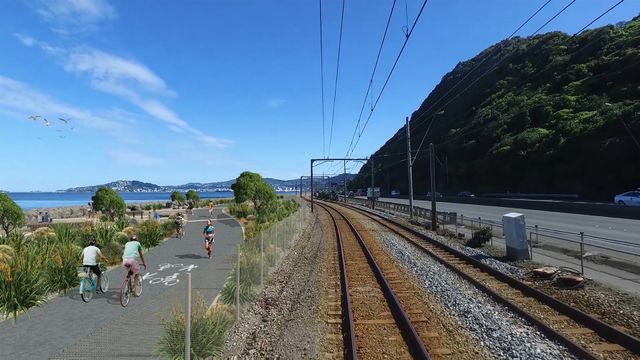
- One of Wellington’s long-desired and much awaited projects is apparently to get underway as part of the Government’s shovel-ready infrastructure projects: Te Ara Tupua, aka the Ngauranga to Petone Cycleway.
- Accepted from Eye of the Fish feed by tonytw1
- Tagged as:
- government
- petone
- wellington
- art
- island-bay-cycle-way
Petone, New Zealand (OpenStreetMap)
-
-
-
Fast tracking community resilience, growth and safety taken off the table by Hutt City Council
- Greater Wellington Regional Council
- Greater Wellington Chair Daran Ponter and Councillor Prue Lamason say Hutt City Council’s short sighted decision to block RiverLink from being submitted as one of the Government’s fast track infrastructure projects is slap in the face of a community crying out for more resilience, growth and safety.
- Accepted from GW media releases 2019 by feedreader
- Tagged as:
- government
- wellington
-
-
-
Wellington infrastructure fast tracked to stimulate economy
- Greater Wellington Regional Council
- The Government is fast tracking two Wellington infrastructure projects to help stimulate the region’s economy post COVID-19.
- Accepted from GW media releases 2019 by feedreader
- Tagged as:
- covid-19
- government
- wellington
-
-
-
Council reduces rating level increase in light of COVID-19 community impact
- Greater Wellington Regional Council
- Greater Wellington Regional Council agreed to reduce its 2020/21 regional rates increase from an average of 6.
- Accepted from GW media releases 2019 by feedreader
- Tagged as:
- covid-19
- rates
- wellington
-
-
-
Ecosystem Health in Wellington City urban streams
- Greater Wellington Regional Council
- Greater Wellington Regional Council and Wellington City Council joined forces to carry out a four-year monitoring programme of the city’s streams.
- Accepted from GW media releases 2019 by feedreader
- Tagged as:
- health
- wellington
-
-
-

Leading researcher to head Diana Unwin Chair in Restorative Justice
- Victoria University of Wellington
- Te Herenga Waka—Victoria University of Wellington has announced the appointment of Dr Jane Bolitho as the Diana Unwin Chair in Restorative Justice at the Wellington School of Business and Government.
- Accepted from VUW News feed by feedreader
- Tagged as:
- business
- government
- wellington
-
-
-
Research shows fall in greenhouse gases over two decades but a worrying rise in transport emissions
- Greater Wellington Regional Council
- A just-released report from infrastructure consulting firm AECOM commissioned by the region’s nine councils shows that the Wellington Region’s gross greenhouse gas emissions fell by 5 per cent between 2001 and 2019, from a gross of 4,427,849 tonnes of carbon dioxide equivalent to 4,190,050 tCO2e.
- Accepted from GW media releases 2019 by feedreader
- Tagged as:
- sport
- transport
- wellington
-
-
-

Business as usual.
- Wellington Judo Academy
- The Government announcement that the country is finally moving to Alert Level 1 means the Academy is back to business as usual. We welcome back all Junior and Senior Judoka,... The post Business as usual. appeared first on Wellington Judo.
- Accepted from Wellington Jodo news by feedreader
- Tagged as:
- business
- government
- wellington
Animates, Hutt Road walkway, Highland Park, Kaiwharawhara, Wellington, Wellington City, Wellington, 6035, New Zealand (OpenStreetMap)
-
-
-
Submission to Wellington City Council on Parking Policy
- Oriental Bay Residents’ Association
- Submission to WCC on Parking Policy, 6 June 2020Jackie Pope/Ann Mallinson, Co-Presidents, Oriental Bay Residents Association The Oriental Bay Residents Association has considered the Parking Policy 2020 Statement of Proposal, and would comment as follows: We assume we come under the category City Fringe and Inner City Suburbs.
- Accepted from Oriental Bay Residents’ Association 2019 by feedreader
- Tagged as:
- oriental-bay
- fringe-festival
- parking
- wellington
- wellington-city-council
Oriental Bay, Wellington, Wellington City, Wellington, 6011, New Zealand (OpenStreetMap)
-
-
-
Belmont Park restoration hosts kārearea, a rare guest
- Greater Wellington Regional Council
- For the last eight years, Greater Wellington Regional Council and Belmont Area Mountain Bike Association (BAMBA) have been restoring 24 hectares of Belmont Regional Park’s native ecosystem.
- Accepted from GW media releases 2019 by feedreader
- Tagged as:
- wellington
-
-
-
May update from DCM - together we can end homelessness
- Downtown Community Ministry
- 96 May update from DCM - together we can end homelessness p{ margin:10px 0; padding:0; } table{ border-collapse:collapse; } h1,h2,h3,h4,h5,h6{ display:block; margin:0; padding:0; } img,a img{ border:0; height:auto; outline:none; text-decoration:none; } body,#bodyTable,#bodyCell{ height:100%; margin:0; padding:0; width:100%; } .mcnPreviewText{ display:none !important; } #outlook a{ padding:0; } img{ -ms-interpolation-mode:bicubic; } table{ mso-table-lspace:0pt; mso-table-rspace:0pt; } .ReadMsgBody{ width:100%; } .ExternalClass{ width:100%; } p,a,li,td,blockquote{ mso-line-height-rule:exactly; } a[href^=tel],a[href^=sms]{ color:inherit; cursor:default; text-decoration:none; } p,a,li,td,body,table,blockquote{ -ms-text-size-adjust:100%; -webkit-text-size-adjust:100%; } .ExternalClass,.ExternalClass p,.ExternalClass td,.ExternalClass div,.ExternalClass span,.ExternalClass font{ line-height:100%; } a[x-apple-data-detectors]{ color:inherit !important; text-decoration:none !important; font-size:inherit !important; font-family:inherit !important; font-weight:inherit !important; line-height:inherit !important; } .templateContainer{ max-width:600px !important; } a.mcnButton{ display:block; } .mcnImage,.mcnRetinaImage{ vertical-align:bottom; } .mcnTextContent{ word-break:break-word; } .mcnTextContent img{ height:auto !important; } .mcnDividerBlock{ table-layout:fixed !important; } h1{ color:#222222; font-family:Helvetica; font-size:40px; font-style:normal; font-weight:bold; line-height:150%; letter-spacing:normal; text-align:center; } h2{ color:#222222; font-family:Helvetica; font-size:34px; font-style:normal; font-weight:bold; line-height:150%; letter-spacing:normal; text-align:center; } h3{ color:#444444; font-family:Helvetica; font-size:22px; font-style:normal; font-weight:bold; line-height:150%; letter-spacing:normal; text-align:center; } h4{ color:#949494; font-family:Georgia; font-size:20px; font-style:italic; font-weight:normal; line-height:125%; letter-spacing:normal; text-align:center; } #templateHeader{ background-color:#0f288b; background-image:none; background-repeat:no-repeat; background-position:50% 50%; background-size:cover; border-top:0; border-bottom:0; padding-top:54px; padding-bottom:54px; } .headerContainer{ background-color:transparent; background-image:none; background-repeat:no-repeat; background-position:center; background-size:cover; border-top:0; border-bottom:0; padding-top:0; padding-bottom:0; } .headerContainer .mcnTextContent,.headerContainer .mcnTextContent p{ color:#757575; font-family:Helvetica; font-size:16px; line-height:150%; text-align:left; } .headerContainer .mcnTextContent a,.headerContainer .mcnTextContent p a{ color:#007C89; font-weight:normal; text-decoration:underline; } #templateBody{ background-color:#transparent; background-image:none; background-repeat:no-repeat; background-position:center; background-size:cover; border-top:0; border-bottom:0; padding-top:27px; padding-bottom:54px; } .bodyContainer{ background-color:#transparent; background-image:none; background-repeat:no-repeat; background-position:center; background-size:cover; border-top:0; border-bottom:0; padding-top:0; padding-bottom:0; } .bodyContainer .mcnTextContent,.bodyContainer .mcnTextContent p{ color:#757575; font-family:Helvetica; font-size:16px; line-height:150%; text-align:left; } .bodyContainer .mcnTextContent a,.bodyContainer .mcnTextContent p a{ color:#007C89; font-weight:normal; text-decoration:underline; } #templateFooter{ background-color:#333333; background-image:none; background-repeat:no-repeat; background-position:center; background-size:cover; border-top:0; border-bottom:0; padding-top:45px; padding-bottom:63px; } .footerContainer{ background-color:transparent; background-image:none; background-repeat:no-repeat; background-position:center; background-size:cover; border-top:0; border-bottom:0; padding-top:0; padding-bottom:0; } .footerContainer .mcnTextContent,.footerContainer .mcnTextContent p{ color:#FFFFFF; font-family:Helvetica; font-size:12px; line-height:150%; text-align:center; } .footerContainer .mcnTextContent a,.footerContainer .mcnTextContent p a{ color:#FFFFFF; font-weight:normal; text-decoration:underline; } @media only screen and (min-width:768px){ .templateContainer{ width:600px !important; } } @media only screen and (max-width: 480px){ body,table,td,p,a,li,blockquote{ -webkit-text-size-adjust:none !important; } } @media only screen and (max-width: 480px){ body{ width:100% !important; min-width:100% !important; } } @media only screen and (max-width: 480px){ .mcnRetinaImage{ max-width:100% !important; } } @media only screen and (max-width: 480px){ .mcnImage{ width:100% !important; } } @media only screen and (max-width: 480px){ .mcnCartContainer,.mcnCaptionTopContent,.mcnRecContentContainer,.mcnCaptionBottomContent,.mcnTextContentContainer,.mcnBoxedTextContentContainer,.mcnImageGroupContentContainer,.mcnCaptionLeftTextContentContainer,.mcnCaptionRightTextContentContainer,.mcnCaptionLeftImageContentContainer,.mcnCaptionRightImageContentContainer,.mcnImageCardLeftTextContentContainer,.mcnImageCardRightTextContentContainer,.mcnImageCardLeftImageContentContainer,.mcnImageCardRightImageContentContainer{ max-width:100% !important; width:100% !important; } } @media only screen and (max-width: 480px){ .mcnBoxedTextContentContainer{ min-width:100% !important; } } @media only screen and (max-width: 480px){ .mcnImageGroupContent{ padding:9px !important; } } @media only screen and (max-width: 480px){ .mcnCaptionLeftContentOuter .mcnTextContent,.mcnCaptionRightContentOuter .mcnTextContent{ padding-top:9px !important; } } @media only screen and (max-width: 480px){ .mcnImageCardTopImageContent,.mcnCaptionBottomContent:last-child .mcnCaptionBottomImageContent,.mcnCaptionBlockInner .mcnCaptionTopContent:last-child .mcnTextContent{ padding-top:18px !important; } } @media only screen and (max-width: 480px){ .mcnImageCardBottomImageContent{ padding-bottom:9px !important; } } @media only screen and (max-width: 480px){ .mcnImageGroupBlockInner{ padding-top:0 !important; padding-bottom:0 !important; } } @media only screen and (max-width: 480px){ .mcnImageGroupBlockOuter{ padding-top:9px !important; padding-bottom:9px !important; } } @media only screen and (max-width: 480px){ .mcnTextContent,.mcnBoxedTextContentColumn{ padding-right:18px !important; padding-left:18px !important; } } @media only screen and (max-width: 480px){ .mcnImageCardLeftImageContent,.mcnImageCardRightImageContent{ padding-right:18px !important; padding-bottom:0 !important; padding-left:18px !important; } } @media only screen and (max-width: 480px){ .mcpreview-image-uploader{ display:none !important; width:100% !important; } } @media only screen and (max-width: 480px){ h1{ font-size:30px !important; line-height:125% !important; } } @media only screen and (max-width: 480px){ h2{ font-size:26px !important; line-height:125% !important; } } @media only screen and (max-width: 480px){ h3{ font-size:20px !important; line-height:150% !important; } } @media only screen and (max-width: 480px){ h4{ font-size:18px !important; line-height:150% !important; } } @media only screen and (max-width: 480px){ .mcnBoxedTextContentContainer .mcnTextContent,.mcnBoxedTextContentContainer .mcnTextContent p{ font-size:14px !important; line-height:150% !important; } } @media only screen and (max-width: 480px){ .headerContainer .mcnTextContent,.headerContainer .mcnTextContent p{ font-size:16px !important; line-height:150% !important; } } @media only screen and (max-width: 480px){ .bodyContainer .mcnTextContent,.bodyContainer .mcnTextContent p{ font-size:16px !important; line-height:150% !important; } } @media only screen and (max-width: 480px){ .footerContainer .mcnTextContent,.footerContainer .mcnTextContent p{ font-size:14px !important; line-height:150% !important; } } Here at DCM, we have been determined to do whatever it takes to support our taumai during the COVID crisis. Doing things differently Here at DCM, we have been determined to do whatever it takes to support our taumai during the COVID crisis. For many of us, this has meant taking on different roles and tasks. In our March update, we saw Rob from our Outreach Team manning DCM’s new 0800 number phone support service for our taumai from his home. In our April update, we saw how DCM and Westpac kaimahi immediately worked together to enable our taumai to access their money during lock-down. Today we talk to Paula, a team leader on our Aro Mai team, about the fantastic work she and her team have been doing during this time... Paula As soon as we learned that lock-down was imminent, my team and I had to rapidly shift our focus – from supporting people with long histories of homelessness into permanent housing, to getting people off the streets and in to emergency housing. Together we can end homelessness – yes, this is always what it comes down to. The success of this work has been built on collaboration – in particular, between the government, government agencies and organisations like DCM. Prior to the lock-down, the whole process around emergency housing was slow and complex, but to respond rapidly to the COVID challenge, we were able to work together to rapidly improve and expedite the process. HUD* immediately stepped up; like us, they quickly shifted their focus, organising emergency housing and entering in to contracts with motels and the like, to ensure that the spaces we needed would be available. MSD were regularly in touch with us, asking us what we needed and supporting our work every step of the way. We received referrals from many different sources – from DCM kaimahi and our Outreach Team, but also from Wellington City Council, the police, Probation Services, the hospital and from mental health nurses and services. When it came to placing these people in emergency housing, I was able to work closely with Regina – another key to our success. Reg has been at DCM since 2011; she knows a lot about the most marginalised people, and often knows their story. She offers insight into what will work for them, and what the issues are. Together we could determine the right location, mix of people and a plan for the management of each location. Regina You asked me what success has looked like. To begin with, people have settled and stayed in their emergency housing, and this has actually enabled us to be true to our kaupapa, and to our commitment to Housing First. We have been able to engage with taumai, see them regularly and go forward together. People who have been homeless and who were not on our radar at all have stepped forward. With street begging not an option, limited toilet facilities and with drop-in spaces closed, emergency housing has become much more attractive to those who have been rough sleeping in our city. Now we are in touch with them, building relationships, getting their names on the housing register and – yes! – moving the first of them on in to permanent housing. So it has been a change in focus for me and my team, but ultimately, it has totally supported our over-riding goal as a team and an organisation which is committed to a Housing First kaupapa. *Ministry of Housing and Urban Development (HUD) <!-- --> From emergency housing to a permanent home DCM kaimahi helping taumai move into a permanent home Yes, as Paula says, we can now begin to share the stories of people who have already moved from emergency housing into their own whare. A has had a long history of engagement with DCM; he has been a regular at Te Hāpai, we have supported him to sort his benefit and to get his name on the housing register, he has had dental appointments, seen Te Aro Health nurses and received food support at DCM. A is a very pleasant, quiet and unassuming man who doesn’t ask for support and values his independence. We initially got an emergency housing room for him at AC International; it was immediately clear that a shared place like this didn’t work for him. There were too many people – A was accustomed to living in the bush on his own. We were then able to get him a self-contained place where he could be independent, but where there are also other taumai we are working with. Together, they have formed a very supportive community. They have been company for one another, and have been able to provide advice and support to one another. Dominic from our Aro Mai team then stepped up to support A in to a permanent home. DCM has a strong relationship with Wellington City Housing, and we were able to get A a WCH tenancy – yes, last week, he moved in to his own home. He can walk in to town, and has friends and supports close by. Dominic will continue to check in with him regularly, but A is enjoying the independence that is so important to him. <!-- --> Please help us get the message out there! Forward this email on to everyone you can think of who may be interested in how to respond to homelessness, and just generally people who are passionate about Wellington. <!-- --> Read More Success Stories Nāku te rourou, nāu te rourou, ka ora ai te iwi With your basket and my basket, the people will thrive <!-- --> Copyright © 2020 DCM. All rights reserved. Our mailing address is: DCMPO Box 6133Marion SqWellington, Wellington 6011 New ZealandAdd us to your address book Want to change how you receive these emails? You can update your preferences or unsubscribe from this list.
- Accepted from DCM alerts archive by feedreader
- Tagged as:
- government
- media
- dental
- covid-19
- wellington
- art
- housing
- hospital
- people
-
-
-
Tentative start date given for premier rugby
- Wellington Rugby Football Union
- With the Government’s shift to bubbles of 100, Wellington Rugby are pleased to confirm a tentative start date of 20 June for both the Men’s and...
- Accepted from WRFU scraper 2019 by feedreader
- Tagged as:
- art
- government
- rugby
- wellington
-
-
-
$5M in funding for regional trains case to tackle sardine scenario
- Greater Wellington Regional Council
- Greater Wellington and Horizons Regional Councils have secured $5m in funding from Waka Kotahi NZ Transport Agency to pursue a detailed business case, and commence procurement for regional trains which if delivered would prevent passengers from being packed like sardines within the next five years.
- Accepted from GW media releases 2019 by feedreader
- Tagged as:
- business
- wellington
- sport
- trains
-
-
-
Wellington City Mission welcomes Budget 2020 investment to prevent homelessness
- Wellington City Mission
- Thursday 14 May, 2020 The Wellington City Mission welcomes the Government’s Budget 2020 investment in responding to and preventing homelessness. Says Murray Edridge, Wellington City Missioner. “The Government’s $150 million... Read more »
- Accepted from Wellington City Mission News by feedreader
- Tagged as:
- government
- wellington
-
-
-
College Sport Wellington Stakeholder Update – 12 May 2020
- College Sport Wellington
- For Sport NZs Alert Level 2 guidelines please click HERE Dear students, staff, family members, partners and supporters of College Sport Wellington, Following the Government’s announcement yesterday afternoon, College Sport Wellington will now move to the next phase of its planning process, for the resumption of secondary school sport.
- Accepted from College Sport news HTTPS by feedreader
- Tagged as:
- government
- planning
- wellington
- art
- sport
- secondary
-
-
-
University welcomes newest graduates to our alumni community
- Victoria University of Wellington
- Te Herenga Waka—Victoria University of Wellington acknowledges and celebrates the 2,578 graduates who would have crossed the stage next week to collect their qualifications in seven graduation ceremonies.
- Accepted from VUW News feed by feedreader
- Tagged as:
- rates
- wellington
-
-
-
Study suggests Wellington regional economy may avoid worst of downturn
- Greater Wellington Regional Council
- A high-level discussion document on the most likely impacts of COVID-19 suggests that Wellington may be in a better position to ride out the coming economic downturn and could emerge in better shape than some other regions.
- Accepted from GW media releases 2019 by feedreader
- Tagged as:
- covid-19
- wellington
-
-
-
Open letter: Innovating Streets proposal must create a safe Essential Workers’ Route
- Cycle Aware Wellington (CAW)
- Full text of letter sent to Wellington City Councillors on Tuesday 5th May 2020 at 7:15pm Kia ora Councillors, Firstly, thank you for your work with Officers in producing the Innovating Streets proposal to be presented on Thursday 7 May.
- Accepted from Cycle Aware Wellington posts by feedreader
- Tagged as:
- councillors
- wellington
-


