Search / “Saiga react latest”
Matching Newsitems
-
-
Latest medical professor success
- Hutt Valley District Health Board
- Dr Sinéad Donnelly has recently been promoted to Professor at University of Otago, Wellington.
- Accepted from HVDHB news by feedreader
- Automatically tagged as:
- health
- hutt-valley
-
-
-
Latest medical professor success
- Capital & Coast District Health Board
- Dr Sinéad Donnelly has recently been promoted to Professor at University of Otago, Wellington.
- Accepted from Capital Coast Health Feed by feedreader
- Automatically tagged as:
- hospital
- scraper-required
-
-
-
Covid-19 latest information
- Metlink
- Accepted from Metlink news by feedreader
- Tagged as:
- covid-19
-
-
-

Age Concern’s Latest Enews
- Age Concern Wellington
- Welcome to another edition of our newsletter. We hope you’ve enjoyed your week so far. This newsletter is packed full of useful information, news, and more. In case you didn’t know, Neighbours Aotearoa has designated March as Neighbours Month 2024. This year’s theme, Growing Together, is about connecting, nurturing relationships, sharing, and encouraging aroha where ... Read more
- Accepted from Age Concern Wellington feed by feedreader
- Automatically tagged as:
- elderly
-
-
-
Ngā Kōrero – Latest Stories from DCM
- Downtown Community Ministry
- Ngā Kōrero – Latest Stories from DCM Te Pae Manaaki Tangata – The place where people experience manaakitanga communities where whānau are housed, connected, valued and thriving About Us Contact Neighbours Aotearoa – growing connections together DCM is celebrating Neighbours Aotearoa throughout the month of March.
- Accepted from DCM alerts archive by feedreader
- Automatically tagged as:
- religious-groups
-
-
-
Ngā Kōrero - Latest Stories from DCM
- Downtown Community Ministry
- Ngā Kōrero - Latest Stories from DCM Hauora services – transforming lives at DCM communities where whānau are housed, connected, valued and thriving About Us Contact Hauora services Transforming lives at DCM Hauora is a Māori philosophy of health and wellbeing unique to Aotearoa.
- Accepted from DCM alerts archive by feedreader
- Automatically tagged as:
- religious-groups
-
-
-
Ngā Kōrero – Latest Stories from DCM
- Downtown Community Ministry
- Ngā Kōrero – Latest Stories from DCM Te Kī a Alasdair - A Place to Call Home communities where whānau are housed, connected, valued and thriving About Us Contact A Place to Call Home 20 DCM whānau have made a home in Te Kī a Alasdair, Wellington’s vibrant new community housing.
- Accepted from DCM alerts archive by feedreader
- Automatically tagged as:
- religious-groups
-
-
-
Ngā Kōrero - Latest Stories from DCM
- Downtown Community Ministry
- Ngā Kōrero - Latest Stories from DCM Walk a Mile in My Shoes – Adam’s Story – Taking big strides at DCM communities where whānau are housed, connected, valued and thriving About Us Contact Walk a Mile in My Shoes – Adam’s Story Today, we invite you to walk a mile in Adam’s shoes.
- Accepted from DCM alerts archive by feedreader
- Automatically tagged as:
- religious-groups
-
-
-
Ngā Kōrero – Latest Stories from DCM
- Downtown Community Ministry
- Ngā Kōrero – Latest Stories from DCM Aro Mai Housing First – working together to end homelessness in Wellington communities where whānau are housed, connected, valued and thriving About Us Contact Aro Mai Housing First – working together to end homelessness in Wellington Today we share the story of DCM’s Aro Mai Housing First service.
- Accepted from DCM alerts archive by feedreader
- Automatically tagged as:
- religious-groups
-
-
-
Ngā Kōrero - Latest Stories from DCM
- Downtown Community Ministry
- Ngā Kōrero - Latest Stories from DCM A Reason To Smile communities where whānau are housed, connected, valued and thriving About Us Contact A Reason To Smile Your Support in Action With the end of the financial year in sight, we want to share just one example of the impact your support makes.
- Accepted from DCM alerts archive by feedreader
- Automatically tagged as:
- religious-groups
-
-
-
Latest Newsletter and December Training Camp
- Mana Kayak Racing Club
- There has been a lot going on at MKRC of late, and there is a lot coming up! Blue Lake 2 Wellington Secondary Schools Awards Training camp Rubber Ducky Series Check out the latest newsletter here (BL2 Newsletter) and information on the upcoming training camp on 30 Nov and 1 Dec (Training Camp December […]
- Accepted from Mana Kayak Racing Club news
- Automatically tagged as:
- kapiti
- boating
-
-
-
Ngā Kōrero – Latest Stories from DCM
- Downtown Community Ministry
- Ngā Kōrero – Latest Stories from DCM Te reo o te tangata – sharing the voice of our people in 2023 communities where whānau are housed, connected, valued and thriving About Us Contact Te reo o te tangata – sharing the voice of our people in 2023 Ngā mihi o te tau hou from the team at DCM.
- Accepted from DCM alerts archive by feedreader
- Automatically tagged as:
- religious-groups
-
-
-
Latest Newsletter and December Training Camp
- Mana Kayak Racing Club
- There has been a lot going on at MKRC of late, and there is a lot coming up! Blue Lake 2 Wellington Secondary Schools Awards Training camp Rubber Ducky Series Check out the latest newsletter here (BL2 Newsletter) and information on the upcoming training camp on 30 Nov and 1 Dec (Training Camp December […]
- Accepted from Mana Kayak Racing Club news by feedreader
- Automatically tagged as:
- kapiti
- boating
-
-
-
Ngā Kōrero – Latest Stories from DCM
- Downtown Community Ministry
- Ngā Kōrero – Latest Stories from DCM Stephen’s story - his journey from Christchurch, through the challenges of his youth, to a career supporting the most marginalised communities where whānau are housed, connected, valued and thriving About Us Contact Ngā mihi nui! We would like to thank everyone who participated in our Ngā Kōrero survey last month.
- Accepted from DCM alerts archive by feedreader
- Automatically tagged as:
- religious-groups
-
-
-
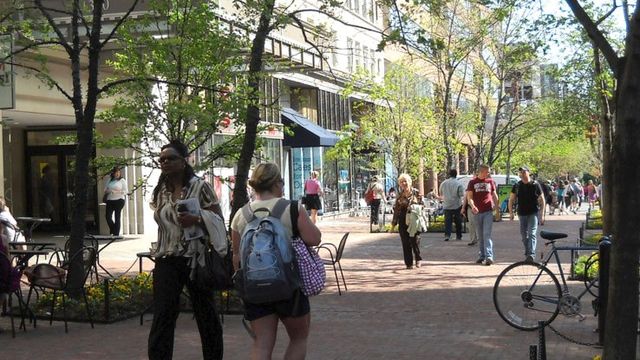
15-minute cities (the latest conspiracy?)
- Talk Wellington
- If we didn’t know it already, humans are able to be afraid of the strangest things. The 15-minute neighbourhood is the latest and out of a morbid curiosity, we wondered how people are able to be scared of “have good life without needing car”… This is one of the typical videos we’ve found. A journalist...
- Accepted from Talk Wellington posts by feedreader
- Automatically tagged as:
- blogs
-
-
-
Ngā Kōrero - Latest Stories from DCM
- Downtown Community Ministry
- Ngā Kōrero - Latest Stories from DCM Creating Connections and Changing Lives at DCM communities where whānau are housed, connected, valued and thriving About Us Contact Creating Connections and Changing Lives Spotlight on DCM's Te Pae Manaaki Tangata and Toro Atu DCM's Te Pae Manaaki Tangata and Toro Atu (Outreach) services form a vital support network for whānau.
- Accepted from DCM alerts archive by feedreader
- Automatically tagged as:
- religious-groups
-
-
-
April General Meeting: 4RF's latest developments
- Wellington VHF Group
- The April General Meeting of the Wellington VHF Group was held on Thursday 29 April at our usual venue, the Tawa Community Centre. On the conclusion of general business and the official part of the meeting, John Yaldwyn ZL4JY, Chief Technology Officer of 4RF and long time member of the Wellington VHF Group, gave an interesting presentation on the latest innovation from 4RF. read more
- Tagged as:
- tawa
Tawa, Wellington, New Zealand (OpenStreetMap)
-
-
-
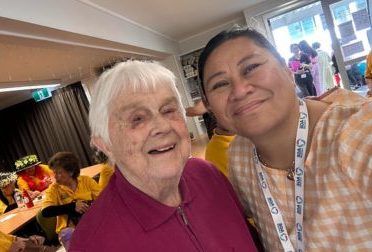
The latest newsletter is here!
- Age Concern Wellington
- It almost feels like we have only just survived Christmas and the holiday weekends, and now the Easter bunnies are showing up in the supermarket. Time flies! For some instant diversion there’s plenty of interesting information and events in this week’s newsletter. Thank you for sharing a few moments of your day with us. Read ... Read more
- Accepted from Age Concern Wellington feed by feedreader
- Automatically tagged as:
- elderly
-
-
-
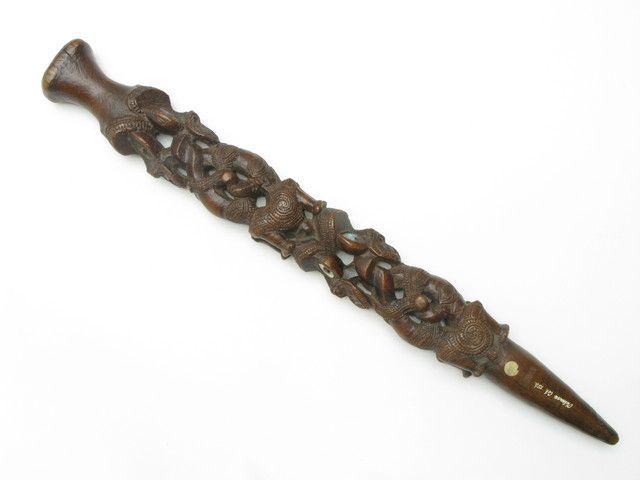
Borrowing and Lending – Latest News
- Te Papa's blog
- Adam Art Gallery has opened a new exhibition this November: Shadowgraphs: Photographic Portraits by Len Lye.
- Accepted from Te Papa blog feed
- Tagged as:
- exhibitions
- photography
-
-
-

Age Concern’s Latest E-Newsletter
- Age Concern Wellington
- Welcome you to another edition of our newsletter. We hope you’ve enjoyed your week so far. This week is packed full of celebrations! The Waitangi Day celebrations attracted possibly the biggest crowds ever this year. The general theme of the three days was kotahitanga (unity), with some debates about the Treaty Principles alongside the usual ... Read more
- Accepted from Age Concern Wellington feed by feedreader
- Automatically tagged as:
- elderly
-
-
-
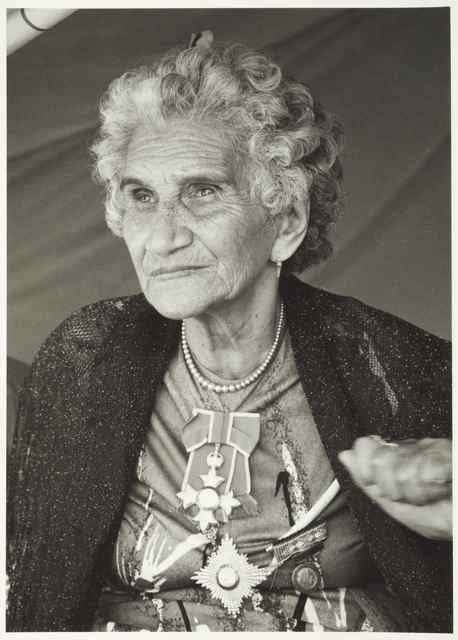
Borrowing and Lending – Latest News
- Te Papa's blog
- In an exhibition that might raise as many questions as it provides answers, Brian Easton, curator of The Makers of Modern New Zealand 1930 – 1990 exhibition at the New Zealand Portrait Gallery, welcomes the element of debate that could emerge from his choice of subjects. Dr Easton, economist, writer (author of The Nationbuilders) and [...]
- Accepted from Te Papa blog feed
- Tagged as:
- exhibitions
-
-
-
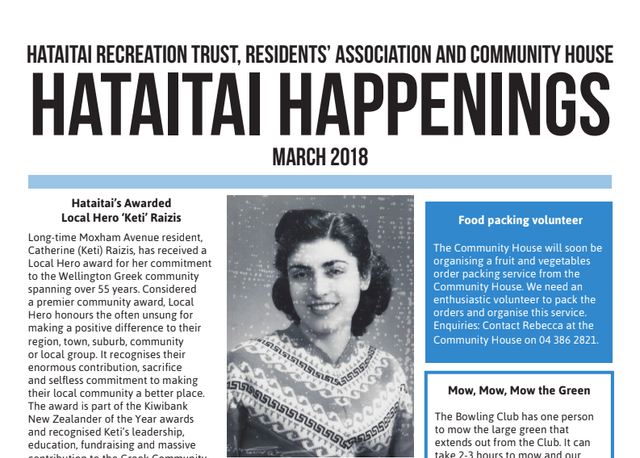
Latest edition of 'Hataitai Happenings'
- Hataitai Community Website
- Accepted from Hataitai Community website posts
- Tagged as:
- hataitai
Hataitai, Wellington, New Zealand (OpenStreetMap)
-
-
-
Latest Update – AW Road Championships
- Athletics Wellington
- Athletics Wellington Road Championships 2021 NEW INFORMATION as @ Thursday 9.00am ALL COMPETITORS MUST READ WLG Road Champs 18 Sept 2021 – NEW additional requirements… Read More »
- Accepted from Athletics Wellington 2019 by feedreader
- Automatically tagged as:
- athletics
-
-
-

Latest trust survey explores link to political leanings
- Victoria University of Wellington
- New Zealanders on the centre-left of the political spectrum are generally the most trusting of five political groupings, according to the latest trust survey from Victoria University of Wellington’s Institute for Governance and Policy Studies.
- Accepted from VUW News feed by feedreader
- Automatically tagged as:
- kelburn
- victoria-university
-
-
-
Ngā Kōrero – Latest Stories from DCM
- Downtown Community Ministry
- Ngā Kōrero – Latest Stories from DCM Ngā Kōrero – Latest Stories from DCM communities where whānau are housed, connected, valued and thriving About Us Contact A Message From Our Manahautū Navigating the Shifting Landscape of Homelessness Stephen Turnock, Manahautū (Director) at DCM Kia ora koutou The landscape of the Social Sector in New Zealand has been rapidly changing, especially with recent government policy shifts. At DCM, we have observed the challenges these changes bring within the homeless environment we serve. We firmly believe that housing should be a human right without preset conditions, but as a nation, we appear to be moving further away from this ideal. This shift has significant consequences for the most vulnerable members of our society - those who depend on support to secure safe and stable housing. Housing is not just a physical structure; it is the foundation of wellbeing, stability, and a sense of belonging. Unfortunately, recent policies have increasingly treated housing as a privilege, contingent on meeting specific criteria. This has made it more difficult for those who are homeless or at risk of homelessness to access the housing they desperately need. Conditions such as employment, sobriety, or other benchmarks create barriers that impact the most vulnerable, including those with mental health issues, addiction challenges, or histories of trauma. It is expected that the current direction will continue to impact generations of Māori, who are already disproportionately represented in negative social and health outcomes. The overrepresentation of Māori in these statistics is a stark reminder of the systemic inequities that continue to affect their communities. The barriers created by current housing policies exacerbate these disparities, making it even more challenging for Māori to access the support they need to achieve stable housing and better life outcomes. At DCM, we remain steadfast in our commitment to supporting those who are left behind by these policy shifts. Our approach is whānau-centered, focusing on holistic, wraparound support that addresses housing needs and the broader challenges whānau face. We continue to advocate for fundamental changes that prioritise getting people into warm, safe, long-term housing with intensive support services. This evidence-based approach has consistently yielded positive outcomes, including improved health, stronger social connections, and greater financial sustainability. Our efforts to support highly vulnerable individuals are more critical now than ever. Through programs like Housing First and Sustaining Tenancies, we have seen people who were once entrenched in homelessness achieve remarkable transformations - moving into permanent housing, reconnecting with whānau, and rebuilding their lives. These outcomes reinforce our belief that with the right support, everyone has the potential to thrive. Addressing homelessness requires a collaborative approach. Decades of research and evidence prove that working proactively with all agencies, including the government, is the most effective way to create lasting change. Housing should be a human right, and we will continue to work towards a future where everyone has access to safe, stable housing without conditions. Our work at DCM is far from over, but with the support of you, our partners, and the community, we believe we can build a more just and equitable society for all. Ngā mihi nui Stephen Turnock Manahautū The Work Doesn't Stop at a Roof Moses and Penny, Kaimahi in our Noho Pai team Finding a house is a huge part of our whānau’s journey – but that is often just the beginning. At DCM, our Noho Pai (Sustaining Tenancies) team works hard everyday to ensure that our most vulnerable whānau not only remain housed but also find stability, belonging, and hope for their future. The Noho Pai service steps in when whānau are at risk of losing their homes. Penny and Moses, two of our dedicated Kaimahi (staff), describe their work as a daily commitment to walking alongside whānau in their toughest times, as their equals. Our team receives referrals from various sources, both from within DCM and from external agencies. The reasons for referral vary - unpaid rent, property maintenance issues, or unauthorised occupants - but the goal is always the same: keep the whānau housed. The people that Noho Pai work with are among Wellington’s most marginalised. Many have been let down by the systems meant to support them. They’re wary of help, often feeling judged or mistreated. Noho Pai seeks to be different: uplifting and empowering rather than taking over. DCM is often considered the ‘last resort’ for many of these whānau but we don’t see it that way. “They lose their voice. Society judges them, or mistreats them, and they no longer have a voice. So we become their voice, for as long as they need us to be.”- Penny, Noho Pai The immense adjustments that come with transitioning from homelessness to permanent housing means that whānau often find it difficult to manage a household and pay their rent and other bills. Living on very low-incomes, they may need support with groceries, budgeting, or connecting with other organisations. Faced with so many new responsibilities, these ‘basic’ skills can feel overwhelming. Previous trauma and addiction can create a cascade of problems, while mental health issues often lead to labels like ‘anti-social,’ which Penny and Moses find dismissive and unhelpful. These labels can further alienate whānau, they say, making reintegration into society more difficult. The stories our Kaimahi hear are often difficult and confronting, but they also create perspective which makes the ‘small’ successes all the more meaningful. It’s about celebrating every victory - especially when whānau take ownership of their journey, set new goals, and ask, “What do I need to do to achieve this?” We stay with our whānau for as long as they need us, celebrating their growth and successes along the way. And when they’re ready to move forward on their own, we develop an exit plan together, ensuring they know they can always come back. The work doesn’t stop at a roof. It’s just the beginning of a journey - one that Noho Pai walks with whānau every step of the way. An Outreach Walk with Tamatha Paul MP Tamatha Paul along with her assistant and members of our Outreach Team being serenaded by whānau on the streets of Wellington MP Tamatha Paul recently met with DCM to discuss the challenges currently faced by our whānau in Wellington. She also joined our Toro Atu team on an outreach walk to connect directly with those who are rough-sleeping. Tamatha’s visit allowed us to highlight the difficulties our whānau are experiencing and the importance of working together to tackle homelessness and support those in need. Thank you, Tamatha, for coming to visit! There are so many ways you can support DCM to make meaningful change in the lives of our whānau. We ask for your support because we know that what we do works - we see the results of our mahi everyday as we walk alongside whānau who are navigating challenges that many of us will not ever face. If you would like to support us, please do so by clicking the button below. Support DCM Copyright © 2024 DCM. All rights reserved. Our mailing address is: DCM Wellington, 2 Lukes Lane, Te Aro, Wellington Want to change how you receive these emails? You can update your preferences or unsubscribe from this list.
- Accepted from DCM alerts archive by feedreader
- Automatically tagged as:
- religious-groups
-
-
-
Ngā Kōrero – Latest Stories from DCM
- Downtown Community Ministry
- Ngā Kōrero – Latest Stories from DCM Ngā Kōrero – Latest Stories from DCM communities where whānau are housed, connected, valued and thriving About Us Contact A Message From Our Manahautū He Rā Ka Huri: Seasons Change, Our Purpose Remains Stephen Turnock, Manahautū (Director) at DCM Tēnā koutou katoa, As the seasons shift once again, I find myself reflecting on just how much change we’ve witnessed lately, not only in the weather, but across our communities, sector, and Aotearoa. Like the turn from summer to autumn, some changes are expected, while others arrive quickly, bringing with them a sense of uncertainty. This changing environment is being felt deeply across the community sector. Policy directions are shifting, funding decisions are pending. Many of us are operating in a space where the future feels less certain than before. At DCM, this has real impacts. The security of our contracts, the continuity of our mahi, and the wellbeing of our kaimahi (staff) are all front of mind. And it's not just our sector, every day we see how these pressures are being experienced by whānau across Te-Whanganui-a-Tara: the cost of living, the struggle to find and keep a safe place to live, and the weight of navigating systems that often don’t work for them. Change is constant, but for many, it doesn’t always feel like it’s moving in the right direction. In the face of this, we ground ourselves in what remains constant. Our commitment to whānau-led support, our belief in housing as a human right, and our dedication to walking alongside those doing it tough. No matter the season, our purpose stays the same. And we want you to know, we have a plan. Even in a time of shifting sands, we’re clear on our direction. We’re committed to building on what works, data-informed insights, whanau-centred practice and courageous leadership. And we know we can’t do this alone. It’s through community collaboration, with whānau, with partners, and with people like you, that real solutions are found and created. So as the leaves begin to fall and we prepare for the colder months ahead, we do so with determination, with hope, and with deep gratitude for your continued support. You are part of this journey, and together, we will keep working towards a city where everyone has a place to stand. Ngā manaakitanga, Stephen Turnock Finding An Oasis At DCM I was homeless and running around the country before I came to Wellington. I was drinking heavily. I was an alcoholic. My mental health issues hadn’t been diagnosed, so I was unmedicated and pretty messy. Before that I was in Christchurch. I got made redundant, and then I had nothing to do. I started drinking, getting into hard drugs, getting in trouble. I made a lot of people mad and I had to leave. I just wanted to hide somewhere and drink. That was my plan. It’s crazy I kept drinking even when I was that sick. I knew I was sick, but the need for alcohol was stronger than any concern I had for my own safety. I was housed out in the Hutt maybe six or seven years ago, not by DCM but someone else. They put me there to get me out of Wellington, away from the drinking. But I still drank sometimes. Then I got told my liver couldn’t take it anymore. They said it was no good. That changed everything. I had to stop drinking, and that changed my life completely. I couldn’t fill the voids with alcohol anymore. I had to deal with stuff. Face my demons. And it was too much, really. I ended up needing medication. There was nothing like DCM out in the Hutt then. I came back into town because there’s more here, and DCM is a hub that has everything I need. I’ve been coming here every day, every week, for as long as I’ve been back in Wellington. DCM has supported me in all sorts of ways. I come here for coffee, for health, for dental, and they make sure I get to my appointments. Te Aro Health and the nurse let me know if the doctors want to see me. It’s amazing that everything is just here. And yeah, I get food from DCM. It’s good to know it comes from people I know, not some stranger. It keeps it in the whānau, you know? I don’t eat much. Once a day is usually enough to keep me going. I used to be a good cook, but I’ve lost all interest in it. Cooking for one is boring. Food is just something I put in myself now. The DCM staff are even trying to get more fruits and vegetables into me. I’ll eat it if it’s put in front of me, but I won’t cook it. I’m eating like an old man now. DCM hasn’t given up on people, not like other places have. That’s what surprised me. DCM is an oasis and people rely on this place. If they weren’t here, there’d be nothing for us. We’d be eating out of rubbish bins. "DCM is absolutely brilliant because it’s saving people in Wellington. It’s keeping people alive. Without this service, people would be lost. They’d just be lost." These days, I guess, I’m mostly just working out what life looks like until I die. That’s what concerns me now. My health isn’t great. I don’t know how long I’ve got, but I’m trying to be all right until then. If you’re struggling, don’t stop yourself. Get to DCM. If they see the need, they’ll help. I fully recommend it to anyone in Wellington who needs support. Spotlight on Lynda: Fundraising For Hope Lynda McGregor, owner of Little Bread Loaf, wears many hats. She runs a small artisan bakery in Lower Hutt where everything is made from scratch, a busy café in Miramar, works in fresh produce markets, and does catering too. Yet despite her full plate (pun intended), Lynda makes time to support DCM. Her connection with DCM began when she saw one of our Instagram posts calling for donations. “It really moved me,” she says. “I just thought, we can all do something to help our community. It’s not about pity, it’s about showing up and helping.” Lynda shared the post, a conversation followed, then a tour, and she soon found herself organising her first foodbank collection for DCM at Little Bread Loaf where she and her community raised over 200 cans of food. “I’ve always known about DCM and the work you do. I know you don’t get as much funding as the bigger charities, and I felt I could add value here in a way that would make a real impact.” Supporting DCM wasn’t a random choice. It aligned with Lynda’s values. “My mum always tithed. She gave a portion of what she had or her time to help others. I’ve always tried to do that too. I’m not religious, but giving back is a part of who I am.” She’s also realistic. “In the charity sector, it’s often the causes that are more ‘attractive’ that get attention". But DCM, she says, offers something deeper. “I truly believe that nobody wakes up wanting to be on the street. DCM works with some of the most vulnerable people in Wellington and you stay constant, even when others would walk away. The whānau you support can keep coming back for coffee, a chat, or whatever they need and you are always there for them.” For Lynda, donating food is not about charity. It’s about manaakitanga. “If the food isn’t good enough for me to eat, I won’t bring it in. What I give has to be mana enhancing; for DCM, for me as the maker, and for anyone who receives it. I want people to feel dignity when they receive something from me.” She adds that contributing makes her feel good too. “It feeds my soul. I do this for selfish reasons because it makes me happy and brings me joy.” Lynda has seen the challenges facing our communities and the pressure DCM is under. “It makes me sad to see the foodbank shelves so bare. You’re doing incredible work, and so much of it comes from heart. You can tell that your team is here because they genuinely want to be of service.” She believes anyone can make a difference and her hope is that more people and businesses will step up.. “You don’t have to give a lot. A couple of cans, a few dollars, whatever you can manage. That small act might have a huge impact on someone’s day." She adds, "It’s not about changing someone’s whole life. It’s about easing their path just a little. It’s about giving someone a little hope.” We are so thankful to Lynda, and our other wonderful supporters, for standing with us. DCM is proud to work alongside people who care so deeply about making Wellington a city where everybody has a place. This year, we are running a Foodbank Appeal Week from 17 to 24 May, and we are inviting the community to help us to continue to provide essential food support to Wellington’s most marginalised residents. There are many ways you can get involved. You could host a food donation box at your workplace, school, or church, run a fundraiser for DCM, or, if you would like to support us financially, you can do so by clicking the button below. Support DCM Copyright © 2025 DCM. All rights reserved. Our mailing address is: DCM Wellington, 2 Lukes Lane, Te Aro, Wellington Want to change how you receive these emails? You can update your preferences or unsubscribe from this list.
- Accepted from DCM alerts archive by feedreader
- Tagged as:
- miramar
- lower-hutt
Lower Hutt, Lower Hutt City, Wellington, 5010, New Zealand (OpenStreetMap)
-
-
-
Ngā Kōrero - Latest Stories from DCM
- Downtown Community Ministry
- Ngā Kōrero - Latest Stories from DCM Lives and smiles transformed at the DCM Dental Service communities where whānau are housed, connected, valued and thriving About Us Contact Lives and smiles transformed at the DCM Dental Service DCM’s emergency dental service has been operating since March 2016 – and is the only dental service of its kind outside of hospital emergency departments in New Zealand. Over 800 individuals have had their lives and smiles transformed thanks to the expertise of DCM’s volunteer dentists, led by Dr. Sophie McKenna, our lead dentist. Volunteer dentist Dr. Sophie McKenna leads DCM’s Dental Service. (Source: 1News.) Sophie’s father was a dentist, and she worked with him as a dental assistant during the school holidays. By the age of 17, she had decided that dentistry was a good path for her. Marrying Andrew, a fellow dentist, and working in different practices in the Wellington area, the two were able to share work and parenting responsibilities. Sophie first heard about DCM at a New Zealand Dental Association branch meeting, putting her name forward as a volunteer. “DCM was a surprise to me,” says Sophie. “I didn’t expect to receive so much pleasure from helping the whānau with their dental care. “When I first began volunteering, our son was dealing with significant health challenges, and I was at a low point. To come into DCM and see good people working hard to improve themselves from their very low points, with the support of DCM staff, was humbling and put my own woes into perspective.” Sophie explains that many of the people coming to DCM’s Dental Service need fillings, periodontal work, and extractions. “They often come to us with broken and missing teeth. When you are experiencing homelessness, living from crisis to crisis, oral health care may fall lower on the priority list, especially due to the expense. “But the big key to DCM’s success is not that treatment is free – but that DCM makes marginalised people feel so welcome when they come here. They don’t feel judged – and that includes when they sit in our dental chair.” Sophie treats Ngata during an emergency dental session at DCM. (Source: 1News.) “I’ll say, ‘what’s the most important thing that I can help you with today?’ And they look astonished,” says Sophie. “They are normally told to lie back, open up, and then a health professional gives them a carefully worded lecture about what isn’t being done, how disastrous things are. “And that’s not we’re here for. We’re here to make them feel better.” We know that poor oral health has been linked to gingivitis, oral infection, heart disease and strokes. But additionally, aesthetic issues can affect your ability to eat and speak – with a huge cost to your self-esteem. DCM Manahautū (Director) Stephen Turnock says that most of the people DCM works with have missing or decayed teeth, and the feelings of shame around this can take a toll. “When someone is continually looking at the ground, and not wanting to smile or feeling whakamā, then that creates more barriers.” This is why in 2023, we have begun creating dental impressions (diagnostic models or moulds) on-site at DCM and fitting whānau with partial plates – often of upper teeth. Sophie has been joined in this initiative by her husband, Andrew, who is no longer able to practice dentistry on his own due to an injury. Still wanting to support DCM, Andrew is able to assist Sophie in various ways. Sophie shares how life-changing their work has already been. Toko before and after. Toko was someone with missing incisors – the most visible teeth in the upper mouth. Sophie and Andrew created a mould and fitted him with replacement teeth. “Toko was exceptionally happy with the partial plate, and his ‘after’ smile filled the room!” says Sophie. Another person whose smile has been transformed is Lisa. Lisa has experienced homelessness, including rough sleeping, before she was housed through DCM’s Aro Mai Housing First service. From there, she was able to focus on her wellbeing, including her oral healthcare. Lisa before and after. Sophie had to encourage Lisa to do a ‘before’ photo while smiling so we could compare the results. “Now she can’t stop smiling!” Sophie says. When DCM first met Simon, he had little to smile about. DCM Outreach workers Ngaire and Hazel approached him on the street in Kilbirnie, where he says he was at his lowest ebb. “DCM saved my life, literally” Simon explains. “If there’s a God, it was great timing on all fronts.” Simon also survived the Loafers Lodge fire. On the tragic night, he knocked on people’s doors, urging them to evacuate, while managing to escape with his phone and wallet, and the clothes on his back. After a move into transitional housing, Simon was able to concentrate on other pressing matters, including agonising dental pain. He popped into DCM one day, and met Ali Janes, who coordinates our dental clinic. Ali got Simon in to see Sophie and Andrew, who extracted the problem teeth. “You could really see the difference it had made for him, which was awesome,” says Ali. “He left pain free and basically floated out of here!” Simon was left with very few teeth, but Sophie and Andrew supported him through the life-changing process of getting a full denture. “I’m still learning to smile properly, which is something I haven’t done for a long time,” Simon explains. “But – I can almost look in the mirror again. “When I needed DCM the most, you guys have always been there. Now I’m trying to pay it forward.” Simon popped into DCM to show us his new smile. DCM’s new initiative creating replacement teeth for whānau has been supported by a $5,000 community grant from the New Zealand Dental Association. “My vision for DCM’s Dental Service is that we are able to expand our services a little,” says Sophie. “Ideally, we would like to offer more opportunities to replace teeth that have previously been extracted, as we’ve been doing with the grant this year. “Currently, relief of pain is great, but what can we do to support our lovely people and lift them up even more? It is obvious from the beaming smiles of Toko, Lisa and others that restoring their smile boosts their sense of worth. Society inadvertently judges those with missing teeth. “When someone’s smile is restored and they feel and look good, they project a confidence and positivity that is difficult to measure. It is infused in their posture, their willingness to engage with others – and we see that their approach to issues that challenge them is altered for the better. “It’s a no-brainer to try to help with this more.” We mihi to Sophie and Andrew McKenna for their passion and professional expertise as they help to transform the lives and smiles of our whānau. Can you help support DCM’s Dental Service this Christmas? DCM is grateful to all those dentists who, like Sophie and Andrew, give their time to allow us to provide emergency dental care to the most marginalised people in Wellington. We would also like to thank the NZDA for their community grant, the St. John’s in the City Carter Fund for a grant toward a new dental chair for our service, and the Bowen Hospital Trust for their on-going support. But DCM’s Dental Service is primarily funded by YOU, the people of Wellington. If you would like to support the most marginalised people in our city – like Toko, Lisa, and Simon this Christmas – please click below and consider donating toward our appeal. Or, if you know a dentist or dental assistant who would like to learn more about working at the DCM Dental Service, we would love to hear from them! Support DCM's Dental Service Copyright © 2023 DCM. All rights reserved. Our mailing address is: DCM PO Box 6133 Marion Sq Wellington, Wellington 6011 New Zealand Add us to your address book Want to change how you receive these emails? You can update your preferences or unsubscribe from this list.
- Accepted from DCM alerts archive by feedreader
- Tagged as:
- kilbirnie
- lectures
- loafers-lodge
Loafers Lodge, 160, Adelaide Road, Newtown, Wellington, Wellington City, Wellington, 6021, New Zealand (OpenStreetMap)
-
-
-
Ngā Kōrero - Latest Stories from DCM
- Downtown Community Ministry
- 96 Ngā Kōrero - Latest Stories from DCM p{ margin:10px 0; padding:0; } table{ border-collapse:collapse; } h1,h2,h3,h4,h5,h6{ display:block; margin:0; padding:0; } img,a img{ border:0; height:auto; outline:none; text-decoration:none; } body,#bodyTable,#bodyCell{ height:100%; margin:0; padding:0; width:100%; } .mcnPreviewText{ display:none !important; } #outlook a{ padding:0; } img{ -ms-interpolation-mode:bicubic; } table{ mso-table-lspace:0pt; mso-table-rspace:0pt; } .ReadMsgBody{ width:100%; } .ExternalClass{ width:100%; } p,a,li,td,blockquote{ mso-line-height-rule:exactly; } a[href^=tel],a[href^=sms]{ color:inherit; cursor:default; text-decoration:none; } p,a,li,td,body,table,blockquote{ -ms-text-size-adjust:100%; -webkit-text-size-adjust:100%; } .ExternalClass,.ExternalClass p,.ExternalClass td,.ExternalClass div,.ExternalClass span,.ExternalClass font{ line-height:100%; } a[x-apple-data-detectors]{ color:inherit !important; text-decoration:none !important; font-size:inherit !important; font-family:inherit !important; font-weight:inherit !important; line-height:inherit !important; } .templateContainer{ max-width:600px !important; } a.mcnButton{ display:block; } .mcnImage,.mcnRetinaImage{ vertical-align:bottom; } .mcnTextContent{ word-break:break-word; } .mcnTextContent img{ height:auto !important; } .mcnDividerBlock{ table-layout:fixed !important; } h1{ color:#222222; font-family:Helvetica; font-size:40px; font-style:normal; font-weight:bold; line-height:150%; letter-spacing:normal; text-align:center; } h2{ color:#222222; font-family:Helvetica; font-size:34px; font-style:normal; font-weight:bold; line-height:150%; letter-spacing:normal; text-align:center; } h3{ color:#444444; font-family:Helvetica; font-size:22px; font-style:normal; font-weight:bold; line-height:150%; letter-spacing:normal; text-align:center; } h4{ color:#949494; font-family:Georgia; font-size:20px; font-style:italic; font-weight:normal; line-height:125%; letter-spacing:normal; text-align:center; } #templateHeader{ background-color:#07486a; background-image:none; background-repeat:no-repeat; background-position:50% 50%; background-size:cover; border-top:0; border-bottom:0; padding-top:54px; padding-bottom:54px; } .headerContainer{ background-color:transparent; background-image:none; background-repeat:no-repeat; background-position:center; background-size:cover; border-top:0; border-bottom:0; padding-top:0; padding-bottom:0; } .headerContainer .mcnTextContent,.headerContainer .mcnTextContent p{ color:#757575; font-family:Helvetica; font-size:16px; line-height:150%; text-align:left; } .headerContainer .mcnTextContent a,.headerContainer .mcnTextContent p a{ color:#007C89; font-weight:normal; text-decoration:underline; } #templateBody{ background-color:#transparent; background-image:none; background-repeat:no-repeat; background-position:center; background-size:cover; border-top:0; border-bottom:0; padding-top:27px; padding-bottom:54px; } .bodyContainer{ background-color:#transparent; background-image:none; background-repeat:no-repeat; background-position:center; background-size:cover; border-top:0; border-bottom:0; padding-top:0; padding-bottom:0; } .bodyContainer .mcnTextContent,.bodyContainer .mcnTextContent p{ color:#757575; font-family:Helvetica; font-size:16px; line-height:150%; text-align:left; } .bodyContainer .mcnTextContent a,.bodyContainer .mcnTextContent p a{ color:#007C89; font-weight:normal; text-decoration:underline; } #templateFooter{ background-color:#07486a; background-image:none; background-repeat:no-repeat; background-position:center; background-size:cover; border-top:0; border-bottom:0; padding-top:45px; padding-bottom:63px; } .footerContainer{ background-color:transparent; background-image:none; background-repeat:no-repeat; background-position:center; background-size:cover; border-top:0; border-bottom:0; padding-top:0; padding-bottom:0; } .footerContainer .mcnTextContent,.footerContainer .mcnTextContent p{ color:#FFFFFF; font-family:Helvetica; font-size:12px; line-height:150%; text-align:center; } .footerContainer .mcnTextContent a,.footerContainer .mcnTextContent p a{ color:#FFFFFF; font-weight:normal; text-decoration:underline; } @media only screen and (min-width:768px){ .templateContainer{ width:600px !important; } } @media only screen and (max-width: 480px){ body,table,td,p,a,li,blockquote{ -webkit-text-size-adjust:none !important; } } @media only screen and (max-width: 480px){ body{ width:100% !important; min-width:100% !important; } } @media only screen and (max-width: 480px){ .mcnRetinaImage{ max-width:100% !important; } } @media only screen and (max-width: 480px){ .mcnImage{ width:100% !important; } } @media only screen and (max-width: 480px){ .mcnCartContainer,.mcnCaptionTopContent,.mcnRecContentContainer,.mcnCaptionBottomContent,.mcnTextContentContainer,.mcnBoxedTextContentContainer,.mcnImageGroupContentContainer,.mcnCaptionLeftTextContentContainer,.mcnCaptionRightTextContentContainer,.mcnCaptionLeftImageContentContainer,.mcnCaptionRightImageContentContainer,.mcnImageCardLeftTextContentContainer,.mcnImageCardRightTextContentContainer,.mcnImageCardLeftImageContentContainer,.mcnImageCardRightImageContentContainer{ max-width:100% !important; width:100% !important; } } @media only screen and (max-width: 480px){ .mcnBoxedTextContentContainer{ min-width:100% !important; } } @media only screen and (max-width: 480px){ .mcnImageGroupContent{ padding:9px !important; } } @media only screen and (max-width: 480px){ .mcnCaptionLeftContentOuter .mcnTextContent,.mcnCaptionRightContentOuter .mcnTextContent{ padding-top:9px !important; } } @media only screen and (max-width: 480px){ .mcnImageCardTopImageContent,.mcnCaptionBottomContent:last-child .mcnCaptionBottomImageContent,.mcnCaptionBlockInner .mcnCaptionTopContent:last-child .mcnTextContent{ padding-top:18px !important; } } @media only screen and (max-width: 480px){ .mcnImageCardBottomImageContent{ padding-bottom:9px !important; } } @media only screen and (max-width: 480px){ .mcnImageGroupBlockInner{ padding-top:0 !important; padding-bottom:0 !important; } } @media only screen and (max-width: 480px){ .mcnImageGroupBlockOuter{ padding-top:9px !important; padding-bottom:9px !important; } } @media only screen and (max-width: 480px){ .mcnTextContent,.mcnBoxedTextContentColumn{ padding-right:18px !important; padding-left:18px !important; } } @media only screen and (max-width: 480px){ .mcnImageCardLeftImageContent,.mcnImageCardRightImageContent{ padding-right:18px !important; padding-bottom:0 !important; padding-left:18px !important; } } @media only screen and (max-width: 480px){ .mcpreview-image-uploader{ display:none !important; width:100% !important; } } @media only screen and (max-width: 480px){ h1{ font-size:30px !important; line-height:125% !important; } } @media only screen and (max-width: 480px){ h2{ font-size:26px !important; line-height:125% !important; } } @media only screen and (max-width: 480px){ h3{ font-size:20px !important; line-height:150% !important; } } @media only screen and (max-width: 480px){ h4{ font-size:18px !important; line-height:150% !important; } } @media only screen and (max-width: 480px){ .mcnBoxedTextContentContainer .mcnTextContent,.mcnBoxedTextContentContainer .mcnTextContent p{ font-size:14px !important; line-height:150% !important; } } @media only screen and (max-width: 480px){ .headerContainer .mcnTextContent,.headerContainer .mcnTextContent p{ font-size:16px !important; line-height:150% !important; } } @media only screen and (max-width: 480px){ .bodyContainer .mcnTextContent,.bodyContainer .mcnTextContent p{ font-size:16px !important; line-height:150% !important; } } @media only screen and (max-width: 480px){ .footerContainer .mcnTextContent,.footerContainer .mcnTextContent p{ font-size:14px !important; line-height:150% !important; } } From a bus stop to a whare by the beach – Michelle’s story communities where whānau are housed, connected, valued and thriving About Us Contact Kia atawhai – Be kind On the road with DCM's Aro Mai Housing First Hutt Team DCM's Aro Mai Housing First Hutt Team led by Barrie (left), with Karen, Te Paki, Ashleigh, Cindel and Daniel, at the office in Kokiri, Seaview, Lower Hutt. (Not pictured: Luisa.) DCM is well-known for the work we do in Wellington, but did you know we have a team working in the Hutt? Since July 2020, our Hutt team have been part of the Tākiri Mai Te Ata Whānau Ora collective, providing services to people who are experiencing homelessness in the Hutt Valley. Based at Kōkiri Marae, our Hutt team are part of the wider Aro Mai Housing First whānau, and they remind us of an old DCM saying, “We might be small. But we are working on some of the biggest problems facing our city.” Along with providing Housing First services, the Hutt Team do Outreach work, and collaborate with Wā Kainga to ensure the whānau they are working with remain housed, and that no one falls through the cracks. In this month’s update, we are using the motto Kia atawhai (Be kind), and it is thanks to the kindness of the people of the Hutt Valley, and the hard mahi of our amazing Hutt Team, that we have been able to see people like Michelle thrive. <!-- --> From a bus stop to a whare by the beach – Michelle’s story It was just before the pandemic when Alex and Paula from DCM’s Aro Mai Housing First team managed to meet with Michelle at a Lower Hutt café. Michelle presented as very tidy, and happy to sign a consent form so the DCM team could work to help get her housed. She listed her address as ‘Waterloo bus stop’. Michelle was very thin, and it was clear she had been roughing it for a long time. The meeting came about due to the concern of the general public in the Hutt for Michelle’s wellbeing, which led to many calls to Hutt City Council for a response. Soon after the meeting, Michelle disappeared again, as her mental health challenges took hold once more. Alex did not give up, searching for Michelle at some of her favourite hot spots, such as MIX, a service supporting those experiencing mental health distress, where Michelle could have a hot meal and charge her phone. Michelle was also a regular at the local library, where the staff knew her well. Michelle with her current key worker Daniel Patelesio. It takes a team to support the whānau we engage with, and others who have supported Michelle include Alex, Paula, Charloh, Kat, and Te Paki. Michelle was sighted sleeping in doorways and on a mattress a member of the public had given her. The public continued to make multiple notifications to the Hutt City Council. Everyone was worried about her wellbeing. When Alex finally found her again, Michelle did not remember her – she could not even recall that they had met. This is a very familiar story for the DCM team. Mental health is an ongoing issue for many of the people we engage with, who often suffer from trauma and undiagnosed disorders. Another familiar story is how the pandemic helped many of our whānau move into housing for the first time in a long time. This was true for Michelle too – because without any of the usual supports available to people out on the street, and with services such as libraries closed, emergency housing suddenly became a necessity. DCM does not believe that emergency housing is a good solution for New Zealand’s housing crisis, and though it temporarily provided Michelle with a roof over her head, it was a struggle in many ways. Michelle became unwell and ended up in hospital, but by this time – mid-2020 – DCM had established a Housing First team in the Hutt Valley. While Michelle was in hospital, Vicki, an Emerge Aotearoa tenancy manager who works with DCM as part of the Aro Mai Housing First collaboration, found her a permanent whare. Michelle was delighted to be able to move in when she was discharged from hospital. This is where the hard work really started – and it took time for DCM’s vision for communities where whānau are housed, connected, valued and thriving – to become true for Michelle. By moving people from homelessness into housing, then providing wrap-around support and regular home visits, we uphold people’s mana – and their right to an adequate standard of living as per the UN Universal Declaration of Human Rights. But sometimes, once people are housed, we start to understand what led to their homelessness in the first place. For Michelle, much of our support has been to address her health and wellbeing – other cornerstones of the Housing First concept. Michelle is now housed by the beach, which she loves. Her neighbourhood is great for walking, which she often does during the day to keep fit and healthy. Michelle also enjoys a close relationship with her mother and two daughters who now live nearby. Michelle’s current key worker is Daniel, who visits regularly. Michelle says she is “Learning to trust people” again through her relationship with Daniel. She now sees how her life has changed in positive ways through her willingness to work with DCM. “I was homeless,” Michelle says, “There is no other way to describe it.” Daniel has seen Michelle grow, and observed how she has turned her whare into a home. Everything is so well organised. The Housing First team will eventually ‘graduate’ Michelle, as she becomes more confident – and independent. Meanwhile, the concern of the people of the Hutt Valley didn’t end when they stopped sighting Michelle out on the streets. A DCM staff member who worked with Michelle overheard concerned members of the public speaking about her one day, and was able to inform them that Michelle was now safe, and housed. It is good to Kia atawhai (Be kind) to people who are rough sleeping or street begging wherever we may see them. But how proud we are to see Michelle go from the Waterloo bus stop, to her very own whare by the beach. WORDS: MIRIAM HENDRY / PHOTOS: SUPPLIED. <!-- --> What to do if you are concerned about someone rough sleeping or street begging You can make a difference! Don't give people money or food when you see them out on the streets. Acknowledge people and, if appropriate, direct them to DCM services. But better still – if you are concerned about someone rough sleeping or street begging, call Hutt City Council on 0800 488 824 or Wellington City Council on 04 499 4444 – and they will notify our team. Together – with your help – we truly can end homelessness in our city. Support DCM <!-- --> <!-- --> Copyright © 2023 DCM. All rights reserved. Our mailing address is: DCMPO Box 6133Marion SqWellington, Wellington 6011 New ZealandAdd us to your address book Want to change how you receive these emails? You can update your preferences or unsubscribe from this list.
- Accepted from DCM alerts archive by feedreader
- Tagged as:
- libraries
- covid-19
- wellington-city-council
- lower-hutt
Lower Hutt, Lower Hutt City, Wellington, 5010, New Zealand (OpenStreetMap)
-
-
-
Ngā Kōrero - Latest Stories from DCM
- Downtown Community Ministry
- 96 Ngā Kōrero - Latest Stories from DCM p{ margin:10px 0; padding:0; } table{ border-collapse:collapse; } h1,h2,h3,h4,h5,h6{ display:block; margin:0; padding:0; } img,a img{ border:0; height:auto; outline:none; text-decoration:none; } body,#bodyTable,#bodyCell{ height:100%; margin:0; padding:0; width:100%; } .mcnPreviewText{ display:none !important; } #outlook a{ padding:0; } img{ -ms-interpolation-mode:bicubic; } table{ mso-table-lspace:0pt; mso-table-rspace:0pt; } .ReadMsgBody{ width:100%; } .ExternalClass{ width:100%; } p,a,li,td,blockquote{ mso-line-height-rule:exactly; } a[href^=tel],a[href^=sms]{ color:inherit; cursor:default; text-decoration:none; } p,a,li,td,body,table,blockquote{ -ms-text-size-adjust:100%; -webkit-text-size-adjust:100%; } .ExternalClass,.ExternalClass p,.ExternalClass td,.ExternalClass div,.ExternalClass span,.ExternalClass font{ line-height:100%; } a[x-apple-data-detectors]{ color:inherit !important; text-decoration:none !important; font-size:inherit !important; font-family:inherit !important; font-weight:inherit !important; line-height:inherit !important; } .templateContainer{ max-width:600px !important; } a.mcnButton{ display:block; } .mcnImage,.mcnRetinaImage{ vertical-align:bottom; } .mcnTextContent{ word-break:break-word; } .mcnTextContent img{ height:auto !important; } .mcnDividerBlock{ table-layout:fixed !important; } h1{ color:#222222; font-family:Helvetica; font-size:40px; font-style:normal; font-weight:bold; line-height:150%; letter-spacing:normal; text-align:center; } h2{ color:#222222; font-family:Helvetica; font-size:34px; font-style:normal; font-weight:bold; line-height:150%; letter-spacing:normal; text-align:center; } h3{ color:#444444; font-family:Helvetica; font-size:22px; font-style:normal; font-weight:bold; line-height:150%; letter-spacing:normal; text-align:center; } h4{ color:#949494; font-family:Georgia; font-size:20px; font-style:italic; font-weight:normal; line-height:125%; letter-spacing:normal; text-align:center; } #templateHeader{ background-color:#07486a; background-image:none; background-repeat:no-repeat; background-position:50% 50%; background-size:cover; border-top:0; border-bottom:0; padding-top:54px; padding-bottom:54px; } .headerContainer{ background-color:transparent; background-image:none; background-repeat:no-repeat; background-position:center; background-size:cover; border-top:0; border-bottom:0; padding-top:0; padding-bottom:0; } .headerContainer .mcnTextContent,.headerContainer .mcnTextContent p{ color:#757575; font-family:Helvetica; font-size:16px; line-height:150%; text-align:left; } .headerContainer .mcnTextContent a,.headerContainer .mcnTextContent p a{ color:#007C89; font-weight:normal; text-decoration:underline; } #templateBody{ background-color:#transparent; background-image:none; background-repeat:no-repeat; background-position:center; background-size:cover; border-top:0; border-bottom:0; padding-top:27px; padding-bottom:54px; } .bodyContainer{ background-color:#transparent; background-image:none; background-repeat:no-repeat; background-position:center; background-size:cover; border-top:0; border-bottom:0; padding-top:0; padding-bottom:0; } .bodyContainer .mcnTextContent,.bodyContainer .mcnTextContent p{ color:#757575; font-family:Helvetica; font-size:16px; line-height:150%; text-align:left; } .bodyContainer .mcnTextContent a,.bodyContainer .mcnTextContent p a{ color:#007C89; font-weight:normal; text-decoration:underline; } #templateFooter{ background-color:#07486a; background-image:none; background-repeat:no-repeat; background-position:center; background-size:cover; border-top:0; border-bottom:0; padding-top:45px; padding-bottom:63px; } .footerContainer{ background-color:transparent; background-image:none; background-repeat:no-repeat; background-position:center; background-size:cover; border-top:0; border-bottom:0; padding-top:0; padding-bottom:0; } .footerContainer .mcnTextContent,.footerContainer .mcnTextContent p{ color:#FFFFFF; font-family:Helvetica; font-size:12px; line-height:150%; text-align:center; } .footerContainer .mcnTextContent a,.footerContainer .mcnTextContent p a{ color:#FFFFFF; font-weight:normal; text-decoration:underline; } @media only screen and (min-width:768px){ .templateContainer{ width:600px !important; } } @media only screen and (max-width: 480px){ body,table,td,p,a,li,blockquote{ -webkit-text-size-adjust:none !important; } } @media only screen and (max-width: 480px){ body{ width:100% !important; min-width:100% !important; } } @media only screen and (max-width: 480px){ .mcnRetinaImage{ max-width:100% !important; } } @media only screen and (max-width: 480px){ .mcnImage{ width:100% !important; } } @media only screen and (max-width: 480px){ .mcnCartContainer,.mcnCaptionTopContent,.mcnRecContentContainer,.mcnCaptionBottomContent,.mcnTextContentContainer,.mcnBoxedTextContentContainer,.mcnImageGroupContentContainer,.mcnCaptionLeftTextContentContainer,.mcnCaptionRightTextContentContainer,.mcnCaptionLeftImageContentContainer,.mcnCaptionRightImageContentContainer,.mcnImageCardLeftTextContentContainer,.mcnImageCardRightTextContentContainer,.mcnImageCardLeftImageContentContainer,.mcnImageCardRightImageContentContainer{ max-width:100% !important; width:100% !important; } } @media only screen and (max-width: 480px){ .mcnBoxedTextContentContainer{ min-width:100% !important; } } @media only screen and (max-width: 480px){ .mcnImageGroupContent{ padding:9px !important; } } @media only screen and (max-width: 480px){ .mcnCaptionLeftContentOuter .mcnTextContent,.mcnCaptionRightContentOuter .mcnTextContent{ padding-top:9px !important; } } @media only screen and (max-width: 480px){ .mcnImageCardTopImageContent,.mcnCaptionBottomContent:last-child .mcnCaptionBottomImageContent,.mcnCaptionBlockInner .mcnCaptionTopContent:last-child .mcnTextContent{ padding-top:18px !important; } } @media only screen and (max-width: 480px){ .mcnImageCardBottomImageContent{ padding-bottom:9px !important; } } @media only screen and (max-width: 480px){ .mcnImageGroupBlockInner{ padding-top:0 !important; padding-bottom:0 !important; } } @media only screen and (max-width: 480px){ .mcnImageGroupBlockOuter{ padding-top:9px !important; padding-bottom:9px !important; } } @media only screen and (max-width: 480px){ .mcnTextContent,.mcnBoxedTextContentColumn{ padding-right:18px !important; padding-left:18px !important; } } @media only screen and (max-width: 480px){ .mcnImageCardLeftImageContent,.mcnImageCardRightImageContent{ padding-right:18px !important; padding-bottom:0 !important; padding-left:18px !important; } } @media only screen and (max-width: 480px){ .mcpreview-image-uploader{ display:none !important; width:100% !important; } } @media only screen and (max-width: 480px){ h1{ font-size:30px !important; line-height:125% !important; } } @media only screen and (max-width: 480px){ h2{ font-size:26px !important; line-height:125% !important; } } @media only screen and (max-width: 480px){ h3{ font-size:20px !important; line-height:150% !important; } } @media only screen and (max-width: 480px){ h4{ font-size:18px !important; line-height:150% !important; } } @media only screen and (max-width: 480px){ .mcnBoxedTextContentContainer .mcnTextContent,.mcnBoxedTextContentContainer .mcnTextContent p{ font-size:14px !important; line-height:150% !important; } } @media only screen and (max-width: 480px){ .headerContainer .mcnTextContent,.headerContainer .mcnTextContent p{ font-size:16px !important; line-height:150% !important; } } @media only screen and (max-width: 480px){ .bodyContainer .mcnTextContent,.bodyContainer .mcnTextContent p{ font-size:16px !important; line-height:150% !important; } } @media only screen and (max-width: 480px){ .footerContainer .mcnTextContent,.footerContainer .mcnTextContent p{ font-size:14px !important; line-height:150% !important; } } This month we share DCM's new film clip, and hear the story of DCM's whaea Jenny, in her own words communities where whānau are housed, connected, valued and thriving About Us Contact Te Rahi o DCM The Breadth of DCM Kia ora koutou We are excited to show you our new film clip – Te Rahi o DCM – as we hear from our Manahautū Stephen, other members of the DCM team, and whānau like Hapi and Smurf, who share some of their story. You’ll see our carving group in action, and other cultural activities such as our daily waiata. Amidst the activities, you’ll see DCM’s Whaea Jenny, whose role as Toa is to support the development and implementation of DCM’s Te Ao Māori strategic approach. Whaea Jenny supports, mentors, and role models the organisation’s kaupapa Māori competency programme to strengthen our cultural capacity and capability. She is a champion of our kaupapa, and a true unsung hero of DCM. We are delighted to share her story – in her own words. <!-- --> Unsung heroes of DCM Whaea Jenny My name is Jenny Langford-James, but I was born as Jeanette Whetumarama, and grew up with this name – it is the name on my driver’s licence, for example. It wasn’t until I was an adult and went to get a passport in 1986 that I found out my father hadn’t registered me under this chosen name, but rather had recorded my middle name as May. Originally, I’m from Motueka. My iwi is Ngāti Kuia – that’s on my nana’s side. My koro is from Ngāti Apa. I am the third of eight siblings: Laura, Michael, Jenny, Stuart, Patrick, Peter, Shaun, Jerry. My older sister was brought up by my grandmother, so as the second oldest I had a big role in looking after everyone. Things weren’t very good growing up. We were very poor. We couldn’t afford to have our power on most of the time – and so we lived in the dark. For many years we had no shoes. I remember being sent around the neighbourhood with a note to ask for bread. But when we didn’t have kai we walked down to the beach – about half an hour’s walk from home – and lived off the sea. Mussels and cockles, cooked on a bonfire. The last thing on my mind was education, but I did go to school. We couldn’t afford books, so we cut big white drawing paper into little booklets and used that. A lot of stuff we were taught at school I learned through memory. Front left in this photo is our very own Whaea Jenny. I wasn’t allowed to speak te reo Māori as a child – I got a whack with a ruler on my first day of school for that. Mum and my aunties used to kōrero in te reo, but behind closed doors. In the end the reo started when we did our prayers, our karakia. That’s how we learned the language. I joined a Māori culture group and performed at a young age. It was a place where you could go away and express yourself. It was non-judgemental. And whatever you put in to it, you got out of it. To this day I love kapa haka. Our father was an alcoholic and a violent man. My mother, brothers and I all suffered beatings from him. But our mum made sure that we weren’t brought up outside a pub. She was our saviour really. She supported us all, and it is thanks to her that we have gone on to have the lives we’ve had. One day my parents got a visit from the government saying they were going to take us kids away. And so, I left school at 14 and a half to look after the two youngest ones while mum went to work. It is these experiences that give me empathy for our whānau – a real understanding of what they have experienced and what they are going through now. Manaakitangata was an everyday thing for us. Mum was strict about it – we had to uphold the mana of ourselves and of the family, and we learned to respect others’ beliefs too. We need to prepare our whānau for the next generation. From a Māori perspective, it’s about making sure someone else can step into your shoes. When my oldest brother died, one of the whānau from back home got up to speak and said, “Who’s going to look after us now?” My whānau – all of us – were the ones who looked after everyone in Motueka. So, when someone died, we were the ones who went in and supported the families, sat on the paepae, did the karanga – did all the work to look after everyone. And then it dawned on me – all of this manaakitangata was taught to us. Now I understand what it means. Today, it is great to work for an organisation like DCM, where manaakitanga is one of our core values. Whaea Jenny and her colleagues worked together with police to develop a new family violence kaupapa while she was employed in Taranaki. At the age of 40 I decided to enrol at Nelson Polytechnic where I studied for a Mental Health Support Workers Certificate. I was nervous as I’d had very little education growing up; however, thanks to my kaiako (teacher) and follow peers, I managed to graduate. I have worked in both the North and South Islands, with kaupapa Māori services and mental health services. I was with Gateway Housing Trust in Nelson, up in Auckland working for Te Whare Tiaki Trust, then in South Taranaki for 18 years working for Ngāti Ruanui Iwi Social Services, before joining Kahungunu Whānau Services in Wellington, in the same building where I work with DCM today. I first came to know about the mahi of DCM by beginning and ending our days alongside the team here in Lukes Lane, as we joined together for the morning waiata and karakia. I felt a calling that I just had to be with DCM. I wanted to work with the most marginalised whānau. So, after a hui with DCM Director Stephanie, and an interview with Taone and Neavin, I was employed by DCM. I began here in September 2019. Whaea Jenny lends her support at one of DCM's COVID vaccine clinics, November 2021. I love the whānau who come here to DCM. If we can give a bit of ourselves to them, we get so much back. I want to see them all housed, and for DCM to show them a different way forward. We’re getting them into homes, but we need more than just homes. For me in my role as Toa, I am working alongside our Practice Leader Sia to get DCM’s Tātai Aro practice framework in place. We are learning what mana-enhancing services are all about, and making sure that DCM is culturally viable, and that all of our staff have the capacity and capability to step up and make things work. Among our team, there is a wealth of knowledge, and everyone has their own tikanga, with so much to share. I am grateful to have this opportunity to share my knowledge too. I always go back to Stephanie, who made this job happen for me. Stephanie was DCM's director for 16 years, and she made the place rock. I am excited to be part of the team with Stephen at the helm, as we map our way forward, and can't wait to see what comes next for our amazing organisation, where manaakitanga sits at the heart of everything we do. Thank you Whaea Jenny for sharing the precious taonga that is your story with us. This story uses elements of Whaea Jenny's Kaimahi Kōrero with Michelle Scott. (Thanks Michelle!) <!-- --> Do you know someone who may like to join DCM? We currently have a Kaiarataki Piki te Kaha (Senior Manager) role, Kaimahi (Key Worker) roles as part of DCM's Piki te Ora Pou, along with Kaiāwhina (Peer Support Worker) roles available at DCM. Do you know someone who, like Jenny, could use their life experience to help support others on the journey to sustainable housing and wellbeing? All the info is available on our website. Please get in touch, and, as always, please forward this Ngā Kōrero on to anyone who may like to learn more about our mahi. Support DCM <!-- --> <!-- --> Copyright © 2023 DCM. All rights reserved. Our mailing address is: DCMPO Box 6133Marion SqWellington, Wellington 6011 New ZealandAdd us to your address book Want to change how you receive these emails? You can update your preferences or unsubscribe from this list.
- Accepted from DCM alerts archive by feedreader
- Tagged as:
- covid-19
-
-
-
Ngā Kōrero - Latest Stories from DCM
- Downtown Community Ministry
- Ngā Kōrero - Latest Stories from DCM Wellington Mayor Tory Whanau joins DCM's Outreach team, checking in with people who are rough sleeping in the city communities where whānau are housed, connected, valued and thriving About Us Contact Reaching out with the Mayor GUEST WRITER: LEE-ANNE DUNCAN DCM’s Toro Atu (Outreach) Team were delighted when Wellington Mayor, Tory Whanau, accompanied them as they checked on people sleeping rough on the city’s streets. She declared herself “an advocate” to see their heart, passion – and impact. “Kia ora, gidday, would you like to say hello to the Mayor?” says Rowan McCardle, introducing a man sitting in Te Aro Park to the Wellington Mayor, Tory Whanau. The man – who Rowan knows well from his visits to DCM – is keen to chat, almost flirtatious, from his spot in the bright afternoon sun. After a quick chat, Tory, Rowan, and her co-worker Clifton Raukawa, head down to Courtenay Place responding to a notification just through from the Wellington City Council. A woman has been rough sleeping outside a business on Courtenay Place, and while it’s sunny, it’s June, so it’s chilly. “She has only a thin blanket, and the person who notified the council about her is concerned,” says Clifton to Mayor Tory, reading off the email on his mobile phone. “We know this woman. She’s been away but must be back in town, so we will need to see how we can support her.” The WCC email notification is great timing as this is exactly what Rowan and Clifton, workers from DCM’s Toru Atu, or Outreach Team, want to show the mayor – how DCM responds when a member of the public calls the council to report concerns about someone sleeping rough. It’s a service the council helps fund. It’s also not great timing – the woman’s blankets are spread out in the lee of a post box, but she is nowhere to be seen. “It’s okay, I’ll circle back in a few hours. She won’t have gone far,” says Clifton. He’s troubled though. As the woman has been out of town for some time, she’s no longer eligible for emergency housing here and must start the process again. Clifton’s already thinking about how he can support her, ensuring she’s connected in with DCM’s Aro Mai Housing First team. Tory and Mere – Photo by Damon Keen. Rowan, Clifton and the Mayor (and, yes, a couple of photographers and journalists) continue down Courtenay Place. Within a few steps, Rowan spots another familiar face. “Nanny! I haven’t seen you in ages! Kia ora!” It’s Mere, whose face is also familiar to Wellingtonians who spend time at this end of town. However, for some weeks her usual spot outside the St. James Theatre has been vacant as she’s been settled into a rest home. Rowan introduces the Mayor, and Tory and Mere sit down on a bench to discover their whanaunga – who they know in common. It doesn’t take long to find connections, to the evident delight of both. “DCM worked with Mere for a long time to get her into the rest home,” says Clifton. “We had to build a lot of trust with her, but she agreed to go and it’s clearly agreeing with her. She’s looking really good.” Nonetheless, here she is back on Courtenay Place? “Yeah, but that’s her social connection. Coming here to chat to people, to connect with her friends, that’s what she knows. But now we know she’s well housed and cared for, so that’s okay,” says Clifton. Some of the people street begging are housed, but having a house costs money. Benefit payments don’t go far, and often street beggars aren’t physically or mentally able to work. Being on the street supplements their income, but, also, like Mere, gives them the chance to meet up with their mates. Clifton has his own experience of homelessness. Living and working in Auckland, he was visiting Wellington when the COVID-19 lockdowns began. Suddenly, he was homeless and jobless. Luckily, he found a flyer for DCM, which found him housing, then offered him a job as a peer support worker, as DCM values lived experience. Clifton is now studying to bring theory into his practice. Like Rowan, he loves his Outreach work, as tricky as it is at first to bowl up to people who – quite honestly – might tell you to bugger off in no uncertain terms… Clifton - Photo by Juan Zarama Perini. A little further down Courtenay Place, the trio have a quick chat with Mark. With everyone they meet it’s a quick, “Kia ora, how are you, how’s it going?” Much of their work is making repeated connections, building trust, finding the right supports at the right time, even after someone is housed, like Mark. He was rough sleeping but now is permanently housed and being supported by DCM’s Noho Pai (Sustaining Tenancies) Team, as keeping house is tough when you’ve not had to do housework, be a good neighbour, or pay bills for quite some time. The Outreach Team were lucky with the weather the day they took Mayor Tory for an up-close look at their mahi. On the streets of the capital city, the days are not always so clement. Wellingtonians are generally compassionate people, they want to help, and the way many action that support is by handing over food, money, blankets, clothes. “But that’s short-term assistance, which actually makes their situation more long-term,” says DCM Director, Stephen Turnock. “It teaches people they can get money and food by street begging or rough sleeping. At DCM, we are about providing long-term change. So we say, if you want to buy kai or provide support to people on the street, then look at donating to DCM. You’re still helping by ensuring people who are trained to engage will work with that person long term to get more sustained outcomes than just that brief moment where you give someone some lunch.” DCM’s Outreach Team approach street beggars and rough sleepers with nothing more than a warm smile – and often, like Clifton, their own lived experience of homelessness. Every week day they’re out on Wellington’s streets, in all weather, stopping and chatting to people they already know by name, and, importantly, scanning for people they don’t know. If so, they will approach them, encourage them to come to DCM to access the many support services available at Lukes Lane, and get connected with social agencies, all in the one place. Social Issues reporter Hanna McCallum (left) wrote this great article about Outreach in The Post – Photo by Damon Keen. The other thing Wellingtonians can do, especially as winter grips tighter, is call the Wellington City Council on 04 499 4444 if they spot someone sleeping rough on the street, in the bush or in a car. After that call, a ‘ticket’ is created and emailed to the Outreach Team. The team receive at least two a day, but sometimes 10, usually numbering between 90 and 120 notifications a quarter. Sometimes notifications are for the same person, showing people are really concerned. After receiving the notification, the team races off to try to connect with the person, wherever they are across the Wellington region, whether out on the streets or tucked in the bush. “The team’s tagline is ‘Whatever it takes’,” Stephen says. “If they’re told to go away, they’ll respectfully keep checking back in, and usually the person will come into DCM. When they do, that’s a great win for the team. “For people experiencing homelessness, the value our team brings is showing them that someone in the community cares. For the wider city, our team is about recognising that the people we see rough sleeping are people. Yes, they might have some issues, and they come with a history, but they’re so much more than that. Our team brings that insight and knowledge to the wider public.” Walking out with the team has also brought insight to Tory Whanau. The Outreach Team has been walking the streets since 2016, with Wellington City Council providing funding for the team since 2019. Mayor Tory is more than reassured it’s money well spent, and she – like DCM – is perplexed no other council in Aotearoa New Zealand does anything similar. Her walk-out with the team has spurred her to urge other Mayors to follow suit. “Until you come out here and see what the team does, you don’t really see the value. I can see that clearly. Until all the systems are fixed – mental health, welfare, housing, which are all long-term issues – homelessness won’t go away. As a society, we need to have more compassion and see the human side of homelessness. If more of us know the people sleeping rough on our streets, we would be more compassionate and understanding. This city is also where they live.” Tory and Rowan – Photo by Damon Keen. Stephen is equally warm about the council’s support. “Everyone there is truly invested in the social wellbeing of our people. There’s a continued and genuine passion that’s shared about these vulnerable communities. That, I would say, is the primary reason the Outreach mahi exists and is so well supported here in Wellington.” The final stop on Mayor Tory’s tour is for Rowan to check in on a young woman in her early 20s, ‘living’ behind a piece of cardboard down an alleyway an arm’s length from Wellington’s home of high culture, the Michael Fowler Centre. Her behaviour – caused by a history of trauma, mental illness and drug addiction – has seen her evicted from emergency housing, which means she’s no longer eligible for it. So, if she’s not on the psychiatric ward, she must live on the street or with her abusive boyfriend. Usually, she prefers the street. Rowan walks up to the cardboard, calling the young woman’s name. After a few words, Rowan’s back. She wasn’t up for talking today, but Rowan knows they’ll likely see her tomorrow at DCM, at Te Hāpai, where people can come for a cuppa, a chat, and have any health, addiction, housing, benefit and money issues dealt with, and maybe collect some kai from the Foodbank. “She’s engaged with us and we have a rapport with her. If we don’t see her, someone from our team will look for her. We’ve got her working with Aro Mai Housing First, so hopefully we can find her a permanent home soon.” And from there, the Sustaining Tenancies team will step in, guiding this traumatised young woman to keep her home. Photo by Juan Zarama Perini. Back at DCM in Lukes Lane, Mayor Tory Whanau is vocal in her admiration of what she’s witnessed. And she’s hopeful more Wellingtonians will call the council if they see someone street begging or sleeping rough this winter, rather than handing over food, money, blankets, clothes. “It’s been great to be here and see the notification process in action, and then to see the heart Rowan and Clifton have when they approach people in response. That’s how they deserve to be treated. I was already a big supporter of DCM but being out here today has taken it to the next level. “Seeing what’s happening here, and meeting the people, hearing the stories, it brings it home to me even more. If more Wellingtonians could experience what the Outreach Team sees each day, they would have a greater understanding of homelessness, and how we must protect our most vulnerable.” Lee-Anne Duncan is a freelance writer and editor who has written many stories for DCM, such as ‘We count, we matter – and we vote’, the 2020 General Election at DCM, and ‘Right at Home’, the story of Arthur. Thank you Lee-Anne for hitting the streets with Tory and the DCM team. It’s getting cold out there As we have shown in this story, help is just a phone call away. If you spot someone sleeping rough on the street, in the bush or in a car, call Wellington City Council on 04 499 4444 and they will notify us. You can also help by telling all your friends and whānau about DCM and our important work in Wellington with those who need us most. Please forward this email on. Because together – with your help – we truly can end homelessness in our city. Support DCM Copyright © 2023 DCM. All rights reserved. Our mailing address is: DCM PO Box 6133 Marion Sq Wellington, Wellington 6011 New Zealand Add us to your address book Want to change how you receive these emails? You can update your preferences or unsubscribe from this list.
- Accepted from DCM alerts archive by feedreader
- Tagged as:
- covid-19
- theatre
- wellington-city-council
-
31 - 60 of 444
Matching websites
-
-
Auckland Trains
- This site has the latest news & views of NZ transport issues & developments.
- Tagged as:
- trains
-
-
-
Monterey cinema
- We're a four screen cinema offering a range of films from the latest and greatest blockbusters, to Aotearoa New Zealand local content, to alternative content and arthouse films.
- Submitted by tonytw1
- Tagged as:
- cinema
- upper-hutt
Monterey Cinema, Ashford Lane, Upper Hutt Central, Upper Hutt, Upper Hutt City, Wellington, 5218, New Zealand (OpenStreetMap)
-
-
-
Campaign for a Better City
- CBC is a voluntary community-based organisation, actively promoting the idea of Wellington as a living city. Check out the latest from the campaign against the Te Aro bypass, and find out how you can get involved.
- Tagged as:
- lobby-groups
- bypass
-
-
-
Kat Grooby Photography
- We specialise in commercial designs and creative images. We offer an array of services, flexible scheduling, and have the latest technology to produce high quality creations. Our photography services include portraits, products, property, corporate and events. Our design work includes advertising, business cards, brochures and stationery. We invite you to contact us for more information.
- Tagged as:
- photography
-
-
-
Mount Street Cemetery
- The Mount Street Cemetery was the first cemetery in Wellington for Catholic burials and contains the graves of the first nuns and priests in Wellington. It remained open until 1891 although burials continued in existing family plots until 1954. The earliest surviving grave marker dates from 1851, and the latest from 1954. Although only around 200 headstones survive, it is estimated that there could have been as many as 750 to 800 burials. Many of the early markers were simple wooden crosses, which have long since vanished.
- Submitted by tonytw1
- Tagged as:
- catholic
- kelburn
- local-history
Mount Street Cemetery, Aro Valley, Wellington, Wellington City, Wellington, New Zealand (OpenStreetMap)
-


