Search / “advocate on record supreme court”
Matching Newsitems
-
-
Plenty of runs, wickets and wickets in club cricket on Saturday
- Cricket Wellington
- Karori and Upper are the two frontrunners in the Wilkinson Pearce Cups and Hazlett Trophies with one round to play, after an exciting day of club cricket on Saturday
- Tagged as:
- karori
Karori, Wellington, New Zealand (OpenStreetMap)
-
-
-
Plenty of runs, wickets and records in club cricket on Saturday
- Cricket Wellington
- Karori and Upper are the two frontrunners in the Wilkinson Pearce Cups and Hazlett Trophies with one round to play, after an exciting day of club cricket on Saturday
- Tagged as:
- karori
Karori, Wellington, New Zealand (OpenStreetMap)
-
-
-

Writers on Mondays returns to showcase acclaimed and emerging literary voices
- Victoria University of Wellington
- Writers on Mondays is back with a free lunchtime series running from 7 July to 29 September 2025, where you can hear conversations about some of Aotearoa's best writing.
- Accepted from VUW News feed by feedreader
- Automatically tagged as:
- kelburn
- victoria-university
-
-
-

One more U18s match to come, Hurricanes U16s tournament starts on Monday
- Wellington Club Weekly
- The two Wellington teams meet Manawatu and Hawke’s Bay on Monday and Tuesday in the first two days of the Hurricanes U16 tournament, both vying for a place in the Don Broughton Shield final on Wednesday. More on their tournament below. By Steven White & Scott MacLean Including the international match on Saturday night, this...
- Accepted from Club Weekly 2020 by feedreader
- Tagged as:
- rugby
-
-
-
Curators Talk: Rockpools: Life in the Most Extreme Environment on Earth
- Friends of Te Papa
- What is the most extreme environment on the planet? It probably isn’t where you think! Rockpools are places of extreme and rapid changes in temperature, where the living environment can […]
- Accepted from Coming Events – Friends of Te Papa by feedreader
- Automatically tagged as:
- community-groups
- te-papa
- events
-
-
-
Celebrate Summer on Cuba Street with the Cuba Street Summer Series!
- Cubadupa
- Celebrate Summer on Cuba Street with the Cuba Street Summer Series! Get ready, Wellington! The iconic Cuba Street (between Ghuznee and Vivian St) is coming alive over three weekends this...
- Accepted from Cubadupa news by feedreader
- Tagged as:
- cuba-street
Cuba Street, Te Aro, Wellington, Wellington City, Wellington, 6011, New Zealand (OpenStreetMap)
-
-
-
Partners aligned on refreshed programme priorities for Let’s Get Wellington Moving
- Let's Get Wellington Moving
- A greater focus on climate change and reducing carbon emissions is just one of the changes to emerge from an update to the objectives of the Let’s Get Wellington Moving programme.
- Accepted from LGWM news by tonytw1
- Automatically tagged as:
- lets-get-wellington-moving
-
-
-
Partners aligned on refreshed programme priorities for Let’s Get Wellington Moving
- Let's Get Wellington Moving
- A greater focus on climate change and reducing carbon emissions is just one of the changes to emerge from an update to the objectives of the Let’s Get Wellington Moving programme.
- Accepted from LGWM news by tonytw1
- Automatically tagged as:
- lets-get-wellington-moving
-
-
-

RA submission to Porirua City Council on its 10-year plan
- Pukerua Bay Residents Association
- The Residents Association made the following submission to Porirua City Council on its 10-year plan up to 2023. The increased costs ratepayers are now expected to pay for necessary work […]
- Accepted from Pukerua Bay Residents Association feed by feedreader
- Tagged as:
- porirua
- consultation
Porirua, Wellington Region, New Zealand (OpenStreetMap)
-
-
-
HRV Cup Fan Day with the Hell Wellington Firebirds on Friday
- Cricket Wellington
- The Hell Wellington Firebirds are holding a HRV Cup Fan Day at the Hawkins Basin Reserve for junior players and Wellington’s wider cricket community between 2.00pm and 4.00pm on Friday 23 December.
- Accepted from Cricket Wellington news
- Automatically tagged as:
- cricket
-
-
-
Submission to the Wellington City Council on the Long Term Plan
- Newtown Residents' Association
- The NRA President and Secretary – Claire Pettigrew and Rhona Carson – made an oral submission to the Council on 5th May 2015, to back up the written submission the Association put in earlier.
- Accepted from NRA news
- Automatically tagged as:
- community-groups
- newtown
-
-
-
Councils back Government decision on Wellington’s Mass Rapid Transport future
- Greater Wellington Regional Council
- Greater Wellington and Wellington City Council today approved the preferred Mass Rapid Transport option for the Let’s Get Wellington Moving (LGWM) programme, the same option endorsed by Government last week. The preferred option, known as option 1, introduces Mass Rapid Transit to the South Coast and continuous bus priority to the East, and focuses on a new Mt Victoria tunnel with dedicated provision for public transport, walking and cycling, as well as upgrades at the Basin Reserve to improve flows and physically separate movements and extend the Arras tunnel. As a package this option moves the most people possible from the southern and eastern suburbs, supports the most housing and urban development of all the options, and makes city streets better for everyone.
- Accepted from GW news 2022 by feedreader
- Tagged as:
- lets-get-wellington-moving
-
-
-
Women’s, Senior 1 and Senior 2 club rugby finals on Saturday
- Wellington Club Weekly
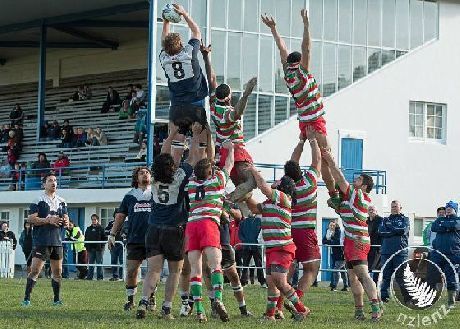
- Finals football continues around the club rugby fields of Wellington on Saturday, with the Victoria Tavern Trophy Women's, Ed Chaney Cup Senior 1 and HD Morgan Memorial Cup Senior 2 finals being played.
- Accepted from Rugby Club Weekly Feed
- Automatically tagged as:
- rugby
-
-
-

‘It was inevitable’ – Patrick Barnes writes about their experience on Saturday night
- Wellington Phoenix
- Phoenix fan Patrick Barnes writes about his experience on Saturday night as the Phoenix Men came away with a 3-0 win over Macarthur FC The post ‘It was inevitable’ – Patrick Barnes writes about their experience on Saturday night appeared first on Wellington Phoenix.
- Accepted from Wellington Phoenix by feedreader
- Not tagged
-
-
-
REBLOG Croaking Cassandra: Further thoughts on the airport Part 1
- Guardians of the Bays
- Shortly after the release of the cost-benefit analysis of the proposed Wellington airport runway extension, prepared by Sapere for Wellington International Airport Limited (WIAL) I wrote a post in which I posed the question “If they build it, what if no one comes?” Since that post, I’ve been to one of the open day/public consultation meetings, have read and thought about the documents more thoroughly, and have read various pieces written by others, including the new one by Ian Harrison that I linked to yesterday. I have also had some engagement with Sapere and WIAL, which has helped to sharpen my sense of what the issues really are. The cost-benefit analysis is not a business case document. It has been prepared in support of a resource consent application. What I hadn’t known when I wrote earlier (and was advised of by Sapere) is that under the RMA the applicants will need to be able to demonstrate national benefits to get permission to fill in some more of Lyall Bay, to extend the runway. I’m sure that the cost-benefit analysis is not serving as a business case for Infratil, the major shareholder in WIAL. But since this project is generally accepted to be viable only if there is significant public funding, and any such funding can only be defended if there would be material net public benefits , the Sapere cost-benefit analysis is by default serving as something of a business case at present. If the numbers don’t stack up, neither the Wellington region councils nor central government should be putting any money into the project (beyond WIAL’s resources, and of course Wellington City Council is a 34 per cent shareholder in WIAL). In this post, I will offer a few thoughts on the plausibility of the assumed increase in international passenger traffic to/from New Zealand as a result of the extension. Extending the runway at Wellington airport could materially reduce the cost of some forms of international travel in and out of Wellington. If long-haul flights were offered, lower costs could result by reducing the time taken (eg. by eliminating the one hour flight to Auckland and the stopover time in Auckland, it might reduce the total time for a trip to Singapore (and onward points) by perhaps 2.5 hours). For those travelling anyway, those gains could be material – time has an opportunity cost. In addition, by allowing long-haul aircraft to fly into Wellington, the direct cost of international airfares in and out of Wellington could also be expected to fall – quite materially, if the numbers Sapere quotes are correct. Those gains apply not just to long haul routes themselves – a Wellington-Singapore direct fare should be materially cheaper than the current options via Auckland, Christchurch or Sydney – but also to trans-Tasman flights, as the longer runway would also facilitate used of wide-bodied aircraft on trans-Tasman routes (as for examples, the Emirates flights between Christchurch and Australia). Of course, simply building the runway extension does not bring about any of these savings. They depend on airlines finding it profitable to run additional services. And although international air travel has increased enormously to and from New Zealand in recent decades, provincial New Zealand is littered with the dreams of local authorities (airport owners) with aspirations to have an international airport. New Zealand has plenty of attractive places, but one main international airport. Wellington, of course, has a significant business market, and business travel is typically much more profitable for airlines than leisure travel. And unlike the predominantly leisure travel into Christchurch, the Wellington business travel probably isn’t very seasonal. So the idea the long haul flights into Wellington could be viable isn’t self-evidently absurd. But, on the other hand, the economic cost of making such flights technically feasible – lengthening the runway – is far higher than in many other places. At $1m a metre, it is considerably more costly than putting some asphalt on some more grassy fields in Christchurch. Wellington isn’t a natural place for a long-haul international airport. The WIAL proposal uses modelling by international consultants to estimate likely growth in traffic and passenger numbers with and without the extension. There are some questions about the baseline forecast, including for example around the potential future impact of climate change mitigation policies. But my main interest is the difference between these two – the increase in traffic that would result from the runway extension itself. It is hard to pick one’s way through all the numbers, but the bottom line appears to be that the cost-benefit analysis is done on the basis that by 2060 there will be an additional 400000 foreign international passengers per annum arriving in Wellington, and an additional 200000 New Zealand international departures per annum through Wellington[1]. Many of these are people who would otherwise have travelled via Auckland or Christchurch, so that the net gain in international travel numbers to New Zealand is around 200000, with an additional 100000 or so New Zealanders travelling abroad. Many of the gains are forecast to occur early in the period. Thus, by 2035, the analysis assumes an annual net gain to New Zealand of around 125000 international visitors (relative to the no-extension baseline). How plausible is this? The various reports highlight the phenomenon of “market stimulation” – putting on new air services tends to stimulate total passenger numbers. That shouldn’t be surprising. Not only do point-to-point services lower the cost of visiting a particular place, but marketing expenditure raises awareness of the destinations concerned. On the other hand, one can’t just take for granted that such market stimulation will render long haul flights into and out of Wellington viable. After all, there are plenty of cities around the world with few or no long haul flights. Closer to home, Rotorua is an attractive tourist destination and can’t sustain direct flights even to Sydney. What of Wellington? The modelling exercise involves lowering the cost of foreigners visiting Wellington – to some extent artificially, because the costs of providing the longer runway are not passed back in additional charges to those using long haul flights – but not the cost of them visiting New Zealand (since Auckland and Christchurch fares would stay largely unchanged). Any long-haul flights into Wellington will almost certainly be from cities that already have flights to Auckland (and possibly to Christchurch). Is it really plausible that an additional 200000 people per annum (or even 125000 by 2035) will visit New Zealand simply because they can fly direct to Wellington, or (in respect of trans-Tasman traffic) fly into Wellington more cheaply than previously? Perhaps I’m excessively negative on Wellington. I reckon it is a nice place for a weekend, but not a destination that many long haul leisure travellers would choose. What is there to do after the first two days? And there is little or nothing else in the rest of the bottom of the North Island. So it is plausible that lower fares resulting from additional competition would attract more weekend visitors from Australia. But no one is going to come for a weekend in Wellington all the way from China or Los Angeles. And since the principal attractions of New Zealand are either in the upper North Island or the South Island, how many more people are likely to come to New Zealand just because they can choose Wellington as the gateway for their New Zealand holiday? And what of New Zealanders travelling abroad? Since the costs of Wellingtonians (and others in the nearby areas) getting to desirable destinations abroad would be cheaper if there were direct flights from Wellington, it is credible that the total number of New Zealand overseas travellers would increase. In fact, whereas the modelling suggests twice as many new foreign visitors as new New Zealand international travellers (and in total there are twice as many international visitors to New Zealand as travelling New Zealanders), in this case I wonder if the putative new routes would not be more attractive to New Zealanders than to foreigners? One can illustrate the point with a deliberately absurd example: put on long haul international flights to Palmerston North, and they would be quite attractive to people in Manawatu (much easier/cheaper to get to desirable places like New York or London) but not very attractive at all to foreigners (for whom Manawatu has few attractions). But even if wide-bodied aircraft flights from Wellington did make overseas travel more attractive to New Zealanders, is the effect really large enough to be equivalent to one more trip every year for every 10 people in Wellington and its hinterland? And would the effect still be remotely that large if passengers (users) had to cover the cost of providing the longer runway (which should really be the default option)? Reasonable people can differ on these issues. In my discussions, a lot seems to turn on just how attractive people think Wellington is. I’m pretty sceptical that long haul tourists will ever come to New Zealand to see cities. Perhaps if one is thinking of visiting New Zealand cities, Wellington is more attractive than our other cities, but even if so Wellington still has the feel of being a logical gateway to nowhere much. It isn’t an obvious starting point for a “whole of New Zealand” trip, or a North Island one (given that most of the attractions are further north), or a South Island one. So I’m left (a) sceptical that the net addition to visitor numbers to New Zealand will be as large as the analysis assumes even if the users don’t bear the costs, and (b) suspecting that the boost to the demand for New Zealanders to travel abroad might be greater than the boost to the demand for foreigners to visit New Zealand. On that latter point, the experts point out that they assume that the new long haul services will be provided by foreign airlines, and that the evidence of recent new air services to New Zealand provided by foreign airlines is that they disproportionately boost the number of foreigners travelling. I have no reason to doubt the numbers, but I still wonder if the same result would apply to routes into Wellington. New flights into Auckland are often the first direct flights offered into New Zealand (as a whole) from that city or country. My impression is that “New Zealand” is the destination marketed to long haul passengers. But direct flights to/from Wellington do more to open up the world (more cheaply) to Wellingtonians than they do to open New Zealand to foreigners. And if so, would the foreign airlines be keen to offer the Wellington services at all? This post has been about the sort of increased passenger numbers that might be expected if the runway was extended. In some sense, that should be largely an issue for WIAL. If they can extend their capacity and attract sufficient users at a price that covers the cost of capital of WIAL and its shareholders, the rest of us might not care much (I’m not much bothered about environmental issues, although my family enjoys the waves at Lyall Bay beach). But the cost-benefit analysis being used to lure ratepayers and taxpayers into funding much of the proposed expansion suggests that there are very large economic benefits to New Zealand which cannot be captured directly by airlines or airports. I think they are wrong, and my next post will explain why. [1] From tables 5.11 and 5.12 in the InterVISTAS report.
- Accepted from Guardians of the Bays posts
- Tagged as:
- consultation
- fares
- runway-extension
- lyall-bay
Lyall Bay, Wellington, Wellington City, Wellington, New Zealand/Aotearoa (OpenStreetMap)
-
-
-
Expert review puts spotlight on police use of facial recognition technology
- Victoria University of Wellington
- Police to tighten guidance on facial recognition technology following expert review by Dr Nessa Lynch from Te Herenga Waka—Victoria University of Wellington and Dr Andrew Chen from Waipapa Taumata Rau—The University of Auckland.
- Accepted from VUW News feed by feedreader
- Automatically tagged as:
- kelburn
- victoria-university
-
-
-
Update: potential impact of water restrictions on local hospitals and services
- Hutt Valley District Health Board
- Te Whatu Ora Capital, Coast & Hutt Valley continues to work closely with Wellington Water and other potentially-impacted agencies to understand what effect – if any – local water restrictions may have on our hospitals and services.
- Accepted from HVDHB news by feedreader
- Tagged as:
- hutt-valley
- water-restrictions
Lower Hutt, Wellington, New Zealand (OpenStreetMap)
-
-
-
Update: potential impact of water restrictions on local hospitals and services
- Capital & Coast District Health Board
- Te Whatu Ora Capital, Coast & Hutt Valley continues to work closely with Wellington Water and other potentially-impacted agencies to understand what effect – if any – local water restrictions may have on our hospitals and services.
- Accepted from Capital Coast Health Feed by feedreader
- Tagged as:
- hutt-valley
- water-restrictions
Lower Hutt, Wellington, New Zealand (OpenStreetMap)
-
-
-

CWC 22 Eden Park and Semi-Final tickets back on sale now
- Basin Reserve Trust
- Tickets for both ICC Women’s Cricket World Cup 2022 semi-finals and two Eden Park matches on 19 and 20 March are back on sale, giving fans across New Zealand more chances to see the world’s best cricketers. The permitted attendance at matches under the government’s... The post CWC 22 Eden Park and Semi-Final tickets back on sale now appeared first on Wellington Basin Reserve.
- Accepted from Basin Reserve news by feedreader
- Tagged as:
- basin-reserve
Basin Reserve, Dufferin Street, Mount Victoria, Wellington, Wellington City, Wellington, 6021, New Zealand (OpenStreetMap)
-
-
-
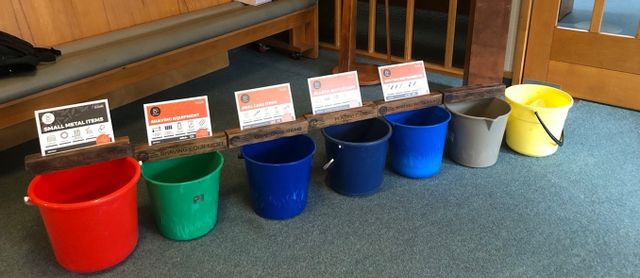
Ngaio Crofton Downs Going Carbon Neutral Recycling Day – on again this Saturday
- Ngaio Progressive Association
- The first Ngaio Crofton Downs Going Carbon Neutral Recycling Day was held on 5 June from 10am to 12am on 5th June at Ngaio Union Church.
- Accepted from Ngaio PA News 2020 by feedreader
- Tagged as:
- ngaio
- recycling
Ngaio, Wellington, Wellington City, Wellington, New Zealand (OpenStreetMap)
-
-
-
Wellington Blaze win last match but miss out on women's final
- Cricket Wellington
- The Wellington Blaze won’t be in the domestic women's finals next week, but beat the Central Hinds with one ball to spare in their last game of the Action Cricket Twenty20 competition in Palmerston North on Monday.
- Accepted from Cricket Wellington news
- Automatically tagged as:
- cricket
-
-
-
Marist clubs on top, big guns Poneke and Norths in trouble
- Wellington Club Weekly
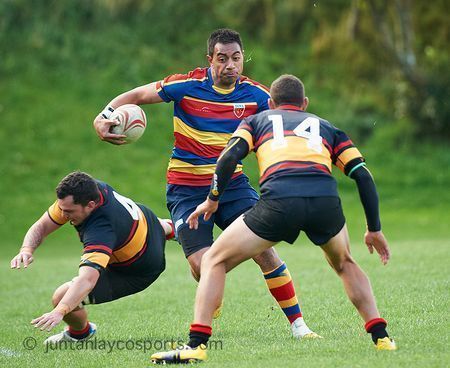
- Above: Upper Hutt halfback Kayne Hammington clears the ball during his side's four tries to one win over the Wests Roosters to see them move into outright third on the Swindale Shield points table after eight rounds.
- Accepted from Rugby Club Weekly Feed
- Tagged as:
- swindale-shield
-
-
-

Ories and Norths match top billing in Women’s rugby on Saturday
- Wellington Club Weekly
- Please advise this article below has been publishsed on the assumption that Women's club rugby is still going ahead this Saturday: Above: Action from last year’s Women’s final that saw Ories beat Norths and win the championship.
- Accepted from Rugby Club Weekly Feed
- Automatically tagged as:
- rugby
-
-
-
Newtown Festival 2021 will not go ahead on Sunday 7 March
- Newtown Festival
- Kia ora folks Well, we’ve talked to a lot of people this morning – from our MPs, the MoH to our key festival organisers – and we’ve made the difficult decision to not run the Newtown Festival on Sunday 7 March.
- Accepted from Newtown festival 2019 by feedreader
- Tagged as:
- newtown
Newtown, Wellington, Wellington City, Wellington, New Zealand (OpenStreetMap)
-
-
-
How they voted on switching commercial rates onto your rates bill
- Bryan Pepperell - Back To The Future
- At this week's Strategy and Policy Meeting for the LTCCP (Long Term Council Community Plan) Councillors voted on setting of the rates.The following is a list of how Councillors voted to continue to switch the commercial rates onto the residents' rates bill.
- Tagged as:
- rates
- wellington-city-council
-
-
-
Northern Premier 1 Teams End the Year On a High
- Northern United Hockey Club
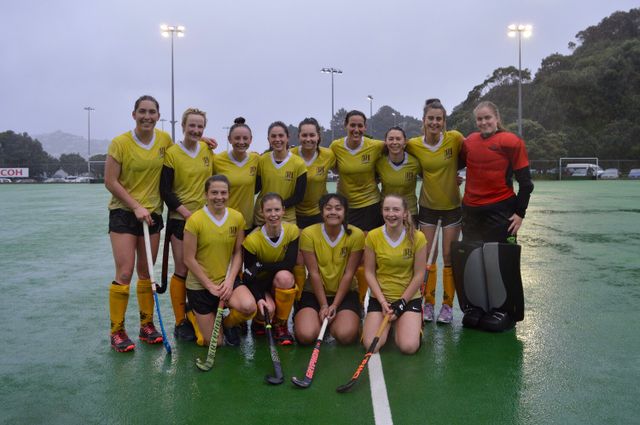
- <figure class=" sqs-block-image-figure intrinsic " > A cold, wet NUHC Prem 1 Women’s team after their 5-6 playoff with Karori In an interesting twist, the Northern Premier 1 Men and Women’s teams have both ended their 2019 seasons ranked fifth equal. The Northern P1 Women, in their first year in the competition after possibly a 30 year hiatus, had an exceptional year under the guidance of coach David McNaughtan. With several wins under their belt in their first season, the women made their way into the 5-6th playoffs. In a match which was marred by torrential rain throughout, the Northern women fought to the end against Karori. The turf was underwater for most of the game, but with less than 10 minutes remaining, and with the scores tied 4-4, the rain became too heavy and the umpires called the game off. This left a very cold, wet, but relieved team fifth equal with Karori. The men’s competition was similarly affected by the weather, however it was the Saturday earlier that affected the men. Their penultimate match against Victoria University was unable to start due to heavy rain and hail that put the turf under several inches of water. The game was rescheduled for a midweek late night game. The disruption put pressure on both teams, with the match being the most stressful of the year for coach Jono Mackey and his team. A tit-for-tat scoreline kept the pressure on Northern, but the Northern strikers and excellent keeping by Cameron Loader kept them in the game. The Northern boys ended up triumphing 3-2 over the students, keeping them out of the relegation zone and putting them through to the 5-6 playoff. A death in the Wellington Indians hockey community unfortunately meant that the the 5-6 playoff against Wellington Indians Sports Club was unable to be played. Despite the unfortunate reason for cancellation, the Northern boys were relieved to end the year fifth equal. <figure class=" sqs-block-image-figure intrinsic " > NUHC Premier 1 Men after their final match of the season against Victoria University.
- Accepted from Northern United Hockey Club news by feedreader
- Tagged as:
- karori
- water
- wellington
- art
- hockey
Karori, Wellington, New Zealand (OpenStreetMap)
-
-
-
Audiovisual viewing and listening facilities on the move in the Central Library
- Victoria University Library
- The AV viewing and listening facilities in the Central Library have moved. The facilities from on Level 9 have moved to a new temporary space on Level 2 by the Closed Reserve desk.
- Accepted from Vic Library news
- Tagged as:
- libraries
-
-
-
Changing the city landscape: Celia Wade-Brown focuses on the mayoralty
- Wellington Scoop
- Meeting places speak volumes. A fair trade clothing sale at Zeal is where mayoral candidate Celia Wade-Brown is scheduled to be on a Monday afternoon, and so that is where we meet her, to hear her plans for a greener and more sustainable Wellington.
- Tagged as:
- video
- light-rail
- election-candiates-2010
-
-
-
Easts and Karori to meet in club one-day final on Monday
- Cricket Wellington
- Easts and Karori to meet in club one-day final on Monday
- Tagged as:
- cricket
- karori
Karori, Wellington, New Zealand (OpenStreetMap)
-
-
-
Wellington U20s on top after defeating Taita in Pearce Cup One-Dayer
- Cricket Wellington
- Wellington U20s on top after defeating Taita in Pearce Cup One-Dayer
- Accepted from Cricket Wellington news
- Automatically tagged as:
- cricket
-
- 1
- 2
- 3
- 4
- 5
- 6
- 7
- 8
- 9
- 10
- 11
- 12
- 13
- 14
- 15
- 16
- 17
- 18
- 19
- 20
- 21
- 22
- 23
- 24
- 25
- 26
- 27
- 28
- 29
- 30
- 31
- 32
- 33
- 34
- 35
- 36
- 37
- 38
- 39
- 40
- 41
- 42
- 43
- 44
- 45
- 46
- 47
- 48
- 49
- 50
- 51
- 52
- 53
- 54
- 55
- 56
- 57
- 58
- 59
- 60
- 61
- 62
- 63
- 64
- 65
- 66
- 67
- 68
- 69
- 70
- 71
- 72
- 73
- 74
- 75
- 76
- 77
- 78
- 79
- 80
- 81
- 82
- 83
- 84
- 85
- 86
- 87
- 88
- 89
- 90
- 91
- 92
- 93
- 94
- 95
- 96
- 97
- 98
- 99
- 100
- 101
- 102
- 103
- 104
- 105
- 106
- 107
- 108
- 109
- 110
- 111
- 112
- 113
- 114
- 115
- 116
- 117
- 118
- 119
- 120
- 121
- 122
- 123
- 124
- 125
- 126
- 127
- 128
- 129
- 130
- 131
- 132
- 133
- 134
- 135
- 136
- 137
- 138
- 139
- 140
- 141
- 142
- 143
- 144
- 145
- 146
- 147
- 148
- 149
- 150
- 151
- 152
- 153
- 154
- 155
- 156
- 157
- 158
- 159
- 160
- 161
- 162
- 163
- 164
- 165
- 166
- 167
- 168
- 169
- 170
- 171
- 172
- 173
- 174
- 175
- 176
- 177
- 178
- 179
- 180
- 181
- 182
- 183
- 184
- 185
- 186
- 187
- 188
- 189
- 190
- 191
- 192
- 193
- 194
- 195
- 196
- 197
- 198
- 199
- 200
- 201
- 202
- 203
- 204
- 205
- 206
- 207
- 208
- 209
- 210
- 211
- 212
- 213
- 214
- 215
- 216
- 217
- 218
- 219
- 220
- 221
- 222
- 223
- 224
- 225
- 226
- 227
- 228
- 229
- 230
- 231
- 232
- 233
- 234
- 235
- 236
- 237
- 238
- 239
- 240
- 241
- 242
- 243
- 244
- 245
- 246
- 247
- 248
- 249
- 250
- 251
- 252
- 253
- 254
- 255
- 256
- 257
- 258
- 259
- 260
- 261
- 262
- 263
- 264
- 265
- 266
- 267
- 268
- 269
- 270
- 271
- 272
- 273
- 274
- 275
- 276
- 277
- 278
- 279
- 280
- 281
- 282
- 283
- 284
- 285
- 286
- 287
- 288
- 289
- 290
- 291
- 292
- 293
- 294
- 295
- 296
- 297
- 298
- 299
- 300
- 301
- 302
- 303
- 304
- 305
- 306
- 307
- 308
- 309
- 310
- 311
- 312
- 313
- 314
- 315
- 316
- 317
- 318
- 319
- 320
- 321
- 322
- 323
- 324
- 325
- 326
- 327
- 328
- 329
- 330
- 331
- 332
- 333
- 334
1741 - 1770 of 10000
Matching websites
-
-
Classical on Cuba
- 100 shows, over 40 music groups, 19 Venues across the Cuba Street Precinct! Experience classical music with a twist at Classical on Cuba, a vibrant new festival of classical music, reimagined in contemporary spaces infused with the spirit and colour of Cuba Street.
- Submitted by tonytw1
- Tagged as:
- cuba-street
- events
-
-
-
Trois On Allen
- Trois On Allen is a whole new concept for a whole new you, a beauty complex that offers everything for face body and hair. From a Sunbed or new hairstyle to a facial or manicure, our aim is to make your visit to Trois an indulgent experience.
- Tagged as:
- business
-
-
-
Visa Wellington On a Plate
- Visa Wellington On a Plate is New Zealand’s largest and tastiest food festival that runs for a full month every year.
- Submitted by tonytw1
- Tagged as:
- events
- food
-
-
-
St Peters on Willis
- Submitted by tonytw1
- Tagged as:
- religious-groups
St Peter's on Willis Anglican Church, 211, Willis Street, Te Aro, Wellington, Wellington City, Wellington, 6011, New Zealand (OpenStreetMap)
-
-
-
Wellington on a Plate
- Submitted by tonytw1
- Tagged as:
- events
- restaurants
-
-
-
St Andrews on the Terrace Presbyterian Church
- St Andrew's on The Terrace is a progressive Presbyterian congregation in the heart of Wellington. St Andrew's congregation stands at the liberal to radical end of the theological spectrum. We are supportive of theological and biblical scholarship and our ministers have reflected this in their preaching.
- Tagged as:
- crossways
- religious-groups
St Andrew's on the Terrace, 30, The Terrace, Paekākā, Wellington Central, Wellington, Wellington City, Wellington, 6011, New Zealand (OpenStreetMap)
-
-
-
Friends of Karori Cemetery
- Our purpose is to advocate for and develop the heritage and ecological values of Karori Cemetery, and to assist with grave/plot restoration.
- Submitted by tonytw1
- Tagged as:
- community-groups
- karori
- local-history
Karori Cemetery, Northland, Wellington, Wellington City, Wellington, New Zealand (OpenStreetMap)
-
-
-
Mt Victoria Residents Association
- The Mt Victoria Residents Association is an active advocate on behalf of the community, aiming to further the interests of our neighbourhood with local and central government. We’ve been doing this work for decades, promoting the needs of residents and opposing inappropriate development in the neighbourhood.
- Tagged as:
- community-groups
- mount-victoria
-
-
-
Historic Places Wellington
- We are a membership not-for-profit organisation based in Wellington, New Zealand. We advocate for heritage in the wider Wellington region, and offer events such as talks, walks and visits to historic places and buildings.
- Submitted by tonytw1
- Tagged as:
- heritage-buildings
- lobby-groups
-
-
-
Halina Kuchciak
- Specialist Wellington real estate agent Halina Kuchciak has a sales record of thousands of homes that makes her one of Wellington and the world's top sales agents.
- Tagged as:
- estate-agents
-
-
-
The Decksmiths
- The Decksmiths are committed to providing full-service landscaping services to Wellington and the greater area. With a proven track record from landscape design to finishing touches, having your ideas turn into reality is our passion.
- Tagged as:
- business
-
-
-
Mt Victoria Historical Society
- The Mt Victoria Historical Society was founded in 1996. Our key aims are: 1. To encourage the protection of the natural and built heritage of Mount Victoria. 2. To research and record the history of Mount Victoria, and share it with others. We regularly run events and host talks on the history of Mt Victoria and Wellington.
- Tagged as:
- local-history
- mount-victoria
- wcn-hosted
-
-
-
Ngaio Progressive Association
- Ngaio Crofton Downs Residents Association promotes the interests of the Ngaio and Crofton Downs communities and the natural environment. We aim to foster healthy public spirit; promote improvement, beautification and development; and advocate for the Ngaio and Crofton Downs communities. The Association was founded in the 1920s as the Ngaio Progressive Association and revived in the 1980s. In 2012 we voted to change our name to the Ngaio Crofton Downs Residents Association to better reflect our purpose.
- Tagged as:
- community-groups
- ngaio
- wcn-hosted
-
-
-
Slow Boat Records
- Slow Boat Records is Wellington, New Zealand’s longest running independent record store. Situated at 183 Cuba Street in the vibrant and eclectic Te Aro area of the capitol’s downtown CBD, it has long been a favourite of the discerning music fan.
- Tagged as:
- cuba-street
- music
- retail
Slow Boat Records, Cuba Street, Te Aro, Wellington, Wellington City, Wellington, 6040, New Zealand (OpenStreetMap)
-
-
-
Wellington Tenths Trust
- The Wellington Tenths Trust is an Ahu Whenua trust constituted by the Māori Land Court Order of 16 December 2003, pursuant to Sec 244 of Te Ture Whenua Māori Act 1993 which varied the original Trust Deed of 1977 and the subsequent variation of Deed made on 17 July 1996. The Trust was established to administer Māori Reserve lands, largely in urban Wellington, although it also administers a rural block in Kaitoke, Upper Hutt. The Trust owns a total of 81 hectares of land.
- Submitted by tonytw1
- Tagged as:
- ethnic-groups
-
-
-
Pure Sound Studios
- Pure Sound Studios is a small music production business located in central Wellington, New Zealand. Established mid 2020, with the aim of providing a creative space for local musicians to easily record their music and experiment with new tools, the core mission of the studio is to help artists make great tracks at an affordable price.
- Submitted by tonytw1
- Tagged as:
- business
- music
-
-
-
Roxy Cinema
- Reborn as The Roxy in 2011, this iconic Miramar building started life as The Capitol Theatre - a one-screen picture house, purpose built in 1928 to screen silent films. In 1932 the cinema was converted to screen 'talkies', and continued to show films until 1964, when it closed its doors. It then became local shopping centre 'Capitol Court' until falling into disrepair and lying vacant for a number of years.
- Submitted by tonytw1
- Tagged as:
- cinema
- miramar
Roxy Cinema, 5, Park Road, Miramar, Wellington, Wellington City, Wellington, 6242, New Zealand (OpenStreetMap)
-
-
-
Cuba Street and Cuba Mall
- Wellington's Cuba Street is pedestrian-only from Manners Mall to Ghuznee Street, where it is called Cuba Mall. With its retailers ranging from leading retailers like Farmers and Whitcoulls through to R18 shops and tattoo artists, its numerous cafes and bars, clothing, book and record shops draw people from all around the region for what only Wellington's Cuba can offer.
- Tagged as:
- cuba-street
-
-
-
Owhiro Bay School
- Owhiro Bay School is located on the beautiful South Coast in Wellington. We offer quality teaching for Years 0-6 in a country setting 10 minutes drive from central Wellington. A roll of 100-125 children. Spacious grounds featuring a large grass field, hard courts, tennis court and two playgrounds provide a fun and stimulating environment for the children at Owhiro Bay School. The community is central to how we do things at Owhiro Bay School. In partnership with Owhiro Bay Kindergarten we have established the Owhiro Bay Learning Community supporting learners from birth onwards. We enjoy a high level of community involvement and this is demonstrated through events such as the Annual Owhiro Bay Community Hangi and the Annual Owhiro Bay Fair. We have a number of active groups within the learning community; the Owhiro Bay Student Council, the Whanau Support Group and Parentlink to name a few.
- Submitted by anon2913
- Tagged as:
- primary
- brooklyn
- island-bay
-
-
-
YWCA of Wellington & Hutt Valley
- The YWCA of Wellington and Hutt Valley focuses on providing education, training and support. We offer most services free, and have a particular emphasis on helping women on low incomes, young women, and those women with least access to resources
- Tagged as:
- womens
-
-
-
Downstage Theatre Blog
- Downstage's official blog. Take a look inside and get a glimpse how professional theatre is produced. Also get updates on our shows and information on specials.
- Tagged as:
- blogs
- theatre
Hannah Playhouse, 12, Cambridge Terrace, Mount Victoria, Wellington, Wellington City, Wellington, 6011, New Zealand (OpenStreetMap)
-
-
-
Hutt Valley Canoe Club
- The Hutt Valley Canoe Club focuses on Whitewater paddling with an emphasis on our gems of local rivers in the region. Regular trips are held on the Hutt Gorge, Whakatiki, Akatarawa and Otaki rivers. We also travel extensively across the North Island, following the releases from the various rivers that are hydro controlled.
- Tagged as:
- boating
- hutt-valley
-
-
-
Capital Bicicletteria
- Located next door to the Curry Club on Victoria Street at number 135 Capital Cycles is Wellington's only independent bike shop and the only one to focus on service over sales.
- Tagged as:
- cycling
- business
-
-
-
Wellington Tramway Museum
- Located at Mackays Crossing Paraparaumu on the Kapiti Coast Wellington. Enjoy 2.5 km of riding an old wellington tram to the beach and back. Photo display and Tram restoration on display..
- Tagged as:
- transport
- museums-and-galleries
- paraparaumu
-
-
-
Wild Wellington Mountain Bike Relay
- In Wellington’s unique town belt, on a special 6km course through Mt Victoria. This absolutely positively amazing mountain bike relay is the one race you don't want to miss out on.
- Tagged as:
- mount-victoria
- events
- cycling
-
-
-
MAS Technology
- Leading provider of advanced telecommunications systems based on digital microwave technology.
- Tagged as:
- engineering
-
-
-
Decade
- On-line Art Deco shop catalogue specialising in original ceramics, lighting and collectables
- Tagged as:
- business
-
-
-
The Learning Connexion
- The Learning Connexion offers three different courses each based on Art and Creativity.
- Tagged as:
- art
- education
The Learning Connexion, Eastern Hutt Road, Pomare, Lower Hutt, Lower Hutt City, Wellington, 5011, New Zealand (OpenStreetMap)
-
-
-
Kapiti Playhouse Inc
- Kapiti Playhouse is one of the leading theatre groups on the Kapiti Coast.
- Submitted by richardbywater
- Tagged as:
- theatre
- kapiti
Kapiti Playhouse, 7, Ruahine Street, Nikau Valley, Paraparaumu, Kapiti Coast District, Wellington, 5032, New Zealand (OpenStreetMap)
-