Health and Porirua
-
-
Result: Porirua Grand Traverse
- Olympic Harriers
- This yearand#39;s race was delayed six weeks due to covid restrictions. The s...
- Accepted from Olympic Harriers news 2021 by feedreader
- Tagged as:
- porirua
- covid-19
Porirua, Wellington Region, New Zealand (OpenStreetMap)
-
-
-
DHBs congratulate local providers’ leadership in new locality model
- Capital & Coast District Health Board
- Hutt Valley and Capital & Coast DHBs today welcomed the news that Ngāti Toa Rangatira and Tū Ora Compass Health PHO have been announced as key partners in the new locality approach for how healthcare will be delivered in Porirua.
- Accepted from Capital Coast Health Feed by feedreader
- Tagged as:
- hutt-valley
- porirua
Porirua, Wellington Region, New Zealand (OpenStreetMap)
-
-
-
DHBs congratulate local providers’ leadership in new locality model
- Hutt Valley District Health Board
- Hutt Valley and Capital & Coast DHBs today welcomed the news that Ngāti Toa Rangatira and Tū Ora Compass Health PHO have been announced as key partners in the new locality approach for how healthcare will be delivered in Porirua.
- Accepted from HVDHB news by feedreader
- Tagged as:
- hutt-valley
- porirua
Porirua, Wellington Region, New Zealand (OpenStreetMap)
-
-
-
Kenepuru Community Hospital temporarily closed to visitors
- Capital & Coast District Health Board
- Kenepuru Community Hospital is temporarily closed to all visitors as a precaution while surveillance testing for COVID-19 is carried out.
- Accepted from Capital Coast Health Feed by feedreader
- Tagged as:
- covid-19
- porirua
Kenepuru Community Hospital, 16, Hospital Drive, Kenepuru, Porirua, Porirua City, Wellington, 5022, New Zealand (OpenStreetMap)
-
-
-
February Update from DCM - Together we can end homelessness
- Downtown Community Ministry
- Getting to know you... Dev A landlord's story Dev Singh has purchased a number of rental properties for DCM to house people we support who have long histories of homelessness. Here he shares his story, and talks about the benefits and the challenges of being a part of this mahi.
- Accepted from DCM alerts archive by feedreader
- Tagged as:
- porirua
- covid-19
- housing
Porirua, Wellington Region, New Zealand (OpenStreetMap)
-
-
-
Siaosi Anamani – A people’s hero.
- Capital & Coast District Health Board
- Capital & Coast DHB’s Celebrating Success Volunteer of the Year winner Siaosi Anamani has become a stalwart of Porirua’s Pasifika community tackling the tough health statistics within the area.
- Accepted from Capital Coast Health Feed by feedreader
- Tagged as:
- porirua
Porirua, Wellington Region, New Zealand (OpenStreetMap)
-
-
-
Super Saturday events
- Capital & Coast District Health Board
- Media are invited to attend the wide range of COVID-19 vaccination events being held across the Hutt Valley, Wellington, Porirua, and Kāpiti regions this coming Saturday 16 October.
- Accepted from Capital Coast Health Feed by feedreader
- Tagged as:
- hutt-valley
- porirua
- covid-19
Porirua, Wellington Region, New Zealand (OpenStreetMap)
-
-
-
Super Saturday this weekend
- Hutt Valley District Health Board
- A wide range of COVID-19 vaccination events will be held across the Hutt Valley, Wellington, Porirua, and Kapiti regions this coming Saturday 16 October.
- Accepted from HVDHB news by feedreader
- Tagged as:
- hutt-valley
- kapiti
- porirua
- covid-19
Porirua, Wellington Region, New Zealand (OpenStreetMap)
-
-
-
Drive-through vaccinations across our region – book yours today
- Hutt Valley District Health Board
- Porirua's Pacific community turned up to be vaccinated by the carload at a drive-through clinic in Porirua this week.
- Accepted from HVDHB news by feedreader
- Tagged as:
- porirua
Porirua, Wellington Region, New Zealand (OpenStreetMap)
-
-
-
Drive-through vaccinations across our region – book yours today
- Capital & Coast District Health Board
- Porirua's Pacific community turned up to be vaccinated by the carload at a drive-through clinic in Porirua this week.
- Accepted from Capital Coast Health Feed by feedreader
- Tagged as:
- porirua
Porirua, Wellington Region, New Zealand (OpenStreetMap)
-
-
-
Biggest vaccination festival yet sees 830 vaccinated in Porirua
- Capital & Coast District Health Board
- A Pacific vaccination festival day in Porirua saw 830 people receive their first COVID-19 vaccination at EFKS Porirua Church on Saturday.
- Accepted from Capital Coast Health Feed by feedreader
- Tagged as:
- porirua
- covid-19
Porirua, Wellington Region, New Zealand (OpenStreetMap)
-
-
-
Biggest vaccination festival yet sees 830 vaccinated in Porirua
- Hutt Valley District Health Board
- A Pacific vaccination festival day in Porirua saw 830 people receive their first COVID-19 vaccination at EFKS Porirua Church on Saturday.
- Accepted from HVDHB news by feedreader
- Tagged as:
- porirua
- covid-19
Porirua, Wellington Region, New Zealand (OpenStreetMap)
-
-
-
COVID-19 testing update for Wellington and Hutt Valley regions
- Capital & Coast District Health Board
- Hutt Valley and Capital & Coast DHBs continue to test for COVID-19 across the region with 3713 swabs having been administered on Thursday 24 June across Kapiti, Porirua, Wellington, Lower Hutt, and Upper Hutt, up from 2100 swabs the previous day.
- Accepted from Capital Coast Health Feed by feedreader
- Tagged as:
- hutt-valley
- kapiti
- porirua
- covid-19
Porirua, Wellington Region, New Zealand (OpenStreetMap)
-
-
-
COVID-19 testing update for Wellington and Hutt Valley regions
- Hutt Valley District Health Board
- Hutt Valley and Capital & Coast DHBs continue to test for COVID-19 across the region with 3713 swabs having been administered on Thursday 24 June across Kapiti, Porirua, Wellington, Lower Hutt, and Upper Hutt, up from 2100 swabs the previous day.
- Accepted from HVDHB news by feedreader
- Tagged as:
- hutt-valley
- kapiti
- porirua
- covid-19
Porirua, Wellington Region, New Zealand (OpenStreetMap)
-
-
-
Aged residential care vaccinations complete in Wellington region
- Capital & Coast District Health Board
- More than 5000 residents and staff at 46 aged residential care facilities across Wellington, Porirua, the Hutt Valley, and Kāpiti Coast have now received both doses of the COVID-19 vaccine, with the last vaccinations delivered in Lower Hutt.
- Accepted from Capital Coast Health Feed by feedreader
- Tagged as:
- hutt-valley
- porirua
- covid-19
Porirua, Wellington Region, New Zealand (OpenStreetMap)
-
-
-
Aged residential care vaccinations complete in Wellington region
- Hutt Valley District Health Board
- More than 5000 residents and staff at 46 aged residential care facilities across Wellington, Porirua, the Hutt Valley, and Kāpiti Coast have now received both doses of the COVID-19 vaccine, with the last vaccinations delivered in Lower Hutt.
- Accepted from HVDHB news by feedreader
- Tagged as:
- hutt-valley
- porirua
- covid-19
Porirua, Wellington Region, New Zealand (OpenStreetMap)
-
-
-
Supporting Maori and Pasifika through the joy of childbirth
- Capital & Coast District Health Board
- Kenepuru Community Hospital’s maternity unit is working collaboratively with lead maternity carer (LMC) service Te Ao Marama Midwifery Tapui Ltd as part of work to provide an improved experience for well Māori and Pasifika women who give birth in Porirua.
- Accepted from Capital Coast Health Feed by feedreader
- Tagged as:
- porirua
Porirua, Wellington Region, New Zealand (OpenStreetMap)
-
-
-
Around 45,000 people eligible for bowel screening test
- Capital & Coast District Health Board
- People aged 60-74 years living in Kapiti, Porirua, and Wellington and who are enrolled with a GP can expect an invitation to participate in the free National Bowel Screening programme over the next two years.
- Accepted from Capital Coast Health Feed by feedreader
- Tagged as:
- kapiti
- porirua
Porirua, Wellington Region, New Zealand (OpenStreetMap)
-
-
-
The role of vacant urban space in a Covid crisis
- Urban Dream Brokerage
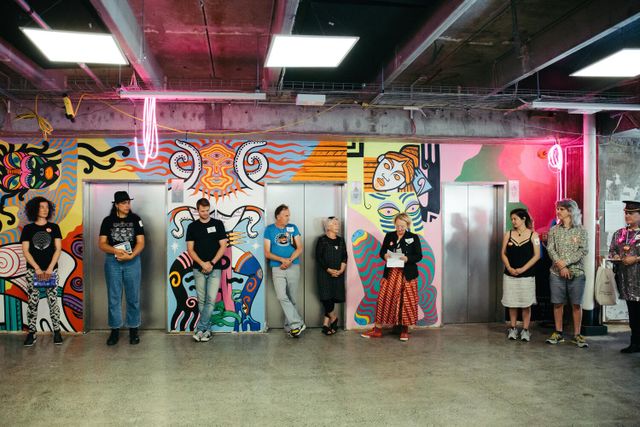
- <figure class=" sqs-block-image-figure intrinsic " > Jan Bieringa, Sophie Jerram, Linda Lee and Jason Muir with 'Exquisite Kaitiaki' by Miriama Grace-Smith, Xoe Hall and Gina Kiel at Urban Dream Brokerage and Brokered Dreams book launch, 2/57, Wellington. Image: Ebony Lamb Wellington communities need more creative and public spaces as inner city population booms and housing crisis puts rental stress on the young and vulnerable Covid-19 and economic recession leaves empty shops and buildings empty in Wellington Urban Dream Brokerage programme will resume connecting artists with owners of unoccupied property Applications for artists to run projects are now open online www.urbanddreambrokerage.org.nz <figure class=" sqs-block-image-figure intrinsic " > Ariki Bloomwell presenting welcoming karakia. Image: Ebony Lamb As the residential property market escalates, and as increasing numbers move into city apartments, a need for inner city spaces for exchange and community is growing. With significant growth in commercial property left vacant since Covid-19 hit, the programme Urban Dream Brokerage is relaunching in Wellington to provide vital spaces for people to exchange, meet and help the city develop. Following its first run between 2012 and 2018 in response to the Global Financial Crisis, creative space programme Urban Dream Brokerage (UDB) has been relaunched funded by the Wellington City Council Tipu Toa: Build Back Better / City Recovery fund. <figure class=" sqs-block-image-figure intrinsic " > Image: Ebony Lamb The relaunch is spurred by a rise in unoccupied property around Wellington city due to the pandemic, and the need to create shared public spaces and experiences in a central city whose population is growing fast. The programme continues to run in Dunedin and has previously run in Porirua and Masterton. After the 2016 Kaikōura earthquake many buildings were taken off the Wellington market for strengthening, meaning fewer spaces could be used. Now property owners are embracing the renewed opportunity to enrich the city with artist and community occupied spaces. “We have a commitment to a city that feels good for the most vulnerable and gives space to the most generous. We see ourselves as intentionally curating projects that will provoke change, for example decarbonising and indigenising the city,” says UDB co-founder Sophie Jerram. <figure class=" sqs-block-image-figure intrinsic " > Victoria Singh from The Waiting Room Image: Ebony Lamb “Other cities across the world including Brussels and Barcelona are taxing buildings that are vacant for more than three months, providing incentives to keep buildings occupied, something that could work well when property is surging in value.” The aim of the brokerage is not just to help restore the city to pre-pandemic levels and types of activity, but to help create a new and better place where art acts as a bridge that welcomes all comers. UDB co-founder Mark Amery makes a case for culture providing a vital sense of place and meaning for city dwellers that leads to economic development. “A cultural recovery in Wellington is more than about attracting visitors through events. Culture is fundamental to our wellbeing and a sense of ownership of the city for those who live here. And we also invest financially where we feel a sense of belonging.” <figure class=" sqs-block-image-figure intrinsic " > Mark Amery and Helen Kirlew Smith. Image: Ebony Lamb A book of past projects Brokered Dreams: 98 Uses For Vacant Space has just been launched. “We also need to test new models of living space as we face environmental and social crises. Artists and community groups are leading the way,” says Amery. <figure class=" sqs-block-image-figure intrinsic " > Brokered Dreams: 98 Uses for Vacant Space. Image: Ebony Lamb Wellington City Council is supporting the brokerage to re-enliven the city in 2021 with activities, including support for the performance programme The City as a Theatre and a rejuvenated Cubadupa. UDB is produced by Maverick Creative, managed by dynamic Political Cutz performer Jason Muir with Linda Lee from Shared Lines Collaborative. Muir is already visiting property owners to find homes for projects. “UDB rules! My creative practice emerged from Urban Dream Brokerage so now I feel proud to manage the project and look forward to enabling others on their journey, to share their dreams with the people of Wellington,” says Muir. Urban Dream Brokerage was established in 2012 by Sophie Jerram and Mark Amery as part of their Letting Space entity under the umbrella of Wellington Independent Arts Trust. UDB found spaces around New Zealand for over 120 creative projects, some short and some long term with more than 40 property owners, allowing the artists’ work to infuse energy into the properties while new tenants were found. Some projects continue in the properties where they started - Come Sew With Me in Masterton’s Queen Elizabeth Park is celebrating this month its third anniversary, while others like Coliberate a ‘mental health gym’ are now successful innovative businesses. Brokered Dreams: 98 Uses for Vacant Space - the book is available at www.urbandreambrokerage.org.nz/book or at Unity Bookshop Wellington. <figure class=" sqs-block-image-figure intrinsic " > Evzen Novak, Thomas Lahood, Darcy Case Laurie Foon, Suzanne Tamaki and Gerry Paul during karakia. Image: Ebony Lamb <figure class=" sqs-block-image-figure intrinsic " > Sam Trubridge. Image: Ebony Lamb <figure class=" sqs-block-image-figure intrinsic " > Crowd at two/fiftyseven. Image: Ebony Lamb <figure class=" sqs-block-image-figure intrinsic " > Image: Ebony Lamb
- Accepted from Urban Dream Brokerage Blog by tonytw1
- Tagged as:
- cubadupa
- theatre
- porirua
- covid-19
Porirua, Wellington Region, New Zealand (OpenStreetMap)
-
-
-
CCDHB congratulates Ora Toa and Partners Porirua as new partners in youth health services
- Capital & Coast District Health Board
- CCDHB congratulates Ora Toa and Partners Porirua on their successful bid to become the Youth One Stop Shop (YOSS) youth health services provider in Porirua.
- Accepted from Capital Coast Health Feed by feedreader
- Tagged as:
- porirua
Porirua, Wellington Region, New Zealand (OpenStreetMap)
-
-
-
2020 - Term 3 - News and Roundup
- Ngati toa Sea Scouts
- Hi, COVID-19 has been a constant this term with the country moving up and down alert levels and keeping us on our toes.
- Accepted from Ngatitoa Sea Scouts feed by feedreader
- Tagged as:
- covid-19
Ngati Toa Scout Group, Parade Ground, Mana, Paremata, Porirua, Porirua City, Wellington, New Zealand (OpenStreetMap)
-
-
-
September 2020 Residents’ Association meeting minutes
- Pukerua Bay Residents Association
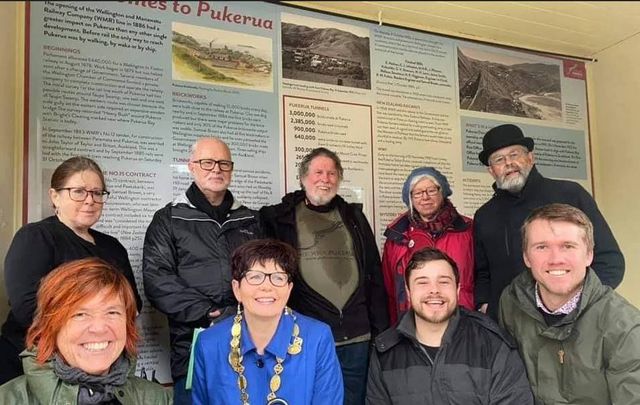
- Tuesday, September 8, 2020Pukerua Bay RSA, 5-7 Wairaka Road Present: Paul FitzGerald (Chair), Nikky Winchester (Secretary), Iain MacLean, Kate Dreaver, Pauline Morum, Jonathan Harker, Margaret Blair, Mel Galletly, Bill Jackson, Nathan Waddle (PCC), Josh Trlin (PCC)Community: Glenda Robb, Whetu Bennett ( WREMO), Moira Lawler, Sara Thomson, Pat Hanley, Alan Clarke, Gillian CandlerApologies: June Penhey, Jenny Brash (GWRC)Approval of previous minutes: moved Iain MacLean, seconded Kate Dreaver, none opposed, carried. Penguin survey Glenda Robb from the Kapiti Coast Biodiversity Project explained that they have received funding to do surveys on little blue penguins in Pukerua Bay. September to December is their nesting time. They use two methods: on sandy beaches, they look for footprints in the sand early in the morning; or they use a specially-trained dog to sniff them out (this is particularly good on non-sandy beaches). Leaflets will be circulated along Ocean Parade, Beach Road and Hanui Road in the next week. There is also a trapping programme along the beach to remove predators such as rats and stoats. The hope is that a large enough population will be found that a programme can be put in place to protect them and ideally increase their numbers over time. The survey will take place in the next few weeks (weather dependent). There are groups elsewhere in the country doing similar work to protect their local korora populations. Gillian pointed out that the dog walking area on the beach is right by where there are penguin nests. Glenda suggested it may be worth lobbying PCC to make it a dog-free area, though it is difficult to get such a status. It was noted that there is still an ongoing problem of enforcement, which is not helped by the fact that there are no signs on the beach asking people to keep dogs on the leash. Action: Iain to contact Brent Tandy at DOC re signage.Action: Glenda to circulate link to a webcam in a nesting box in Paekakariki.Action: Committee to circulate flyers to other parts of the village in October with the AGM notices. Porirua City Council update Nathan explained that the District Plan was activated and is now available for people to feed back on by 20 November. PCC is approaching each Residents Association in the city to invite responses. Josh is on the Climate Change working group, which is looking at updating their terms of reference. The group currently has representatives from each of the GWRC councils plus Mana Whenua. Two big changes are being proposed: bringing in an accountability mechanism to ensure action and follow through; and providing capacity to have Mana Whenua representatives from all six iwi in the region. He noted that PCC is also starting to organise workshops for consultation on the Long Term Plan. Wellington Regional Emergency Management Office (WREMO) Whetu Bennett is the WREMO community resilience adviser in Porirua. He congratulated Pukerua Bay for our village’s response to the Covid-19 lockdown. Whetu focuses on high priority areas in the city (Whitby and Waitangirua) but is available to answer questions and provide support. He can run workshops on planning and preparing for emergencies, as well as earthquake drills. He helps PCC identify areas that they can assist with, and currently he is looking to find a location in Pukerua Bay for a new 25,000 litre water tank. There are already community water tanks at the school and the library. In case of a civil emergency, the local WREMO operations centre is in Elsdon. Emergency Assistance Centres provide support such as a nurse and social worker. However, it is likely to take at least eight days to get those set up. In the meantime, Pukerua Bay would need to be self-sufficient. Kate explained that there is a need to refresh the Civil Defence plan for the village. Whetu is happy to work with a local team to update it and also to help run a workshop to introduce residents to the updated plan. WebsiteAction: Kate/Iain/Paul/Jon to discuss edit requirements for Covid-19 page.Action: Paul to put a tshirt in the noticeboard to encourage sales.Action: Iain to talk to Archway Books about selling tote bags. Financial 00 AccountExpenses: $164.06 Surfers’ Seat $159.28 Muzzy – T-shirtsIncome: $76.70 Teas, cakes, plants at Community Garden Open Day $0.64 Interest 25 AccountIncome: $0.14 Interest Correspondence A message was received from Annette on 27 August regarding composting at the community garden. Paul has since talked to her. Progress on action items Action: Bill/Jon to discuss options for cloud storage.Action: Jon to add the information about the 25 memorials around the village to the RA website once Margaret has collected the information.Action:Pauline/Iain/Kate to continue investigating options for organising an art auction in November/December.Action: Margaret to remove Brian Sullivan and Pauline Morse as signatories from the PKBRA bank account as they are no longer committee members.Action: Margaret/Nikky to discuss the process for adding Nikky to the list of signatories.Action: Iain/Paul to ask PCC to send their monthly updates to secretary@ and chair@ and remove all other names from their mailing list.Action: Jon to ask Dave Pepperell about posting information on the website about the Surfers Seat event.Action: Margaret to organise the seat plaque for Ernie Amey and Kath Fowler.Action: Iain to look for name of DOC contact person re the installation of new signage about keeping dogs on a lead at the beach.Action: Bill to investigate possibility of recycling computer equipment. E-Waste Services have recently moved to 1 Prosser Street, 04 564 5464. They accept anything with a plug that is electronic. You can drop off or they will pick up. They also recycle polystyrene. Projects update Muri Platform building The updated lease is sitting in the Kiwirail office in Wellington Station and can’t be accessed until we move into Level 1 lockdown. The opening went well. However, some work is still required to fit the panels accurately. The event was led by representatives from Ngāti Toa who did a significant blessing of the community garden as well as the building. Thanks to Jane Comben for the design work and to Ted Coates for mowing and tidying up along the platform. The community garden group offered hot drinks and sausages, and there was also storytelling. Action: Margaret to provide appropriate details on the event to Jon for website. Village Plan review Kate met with Justine from PCC. While PCC are keen to help with our village planning review; however, with the pause on capital funding and the pause on the village planning programme, it may be difficult to get financial support from them. The Village Plan team need to write a brief explanation of the purpose of the village plan, and how we intend to engage with the community in an ongoing way over the coming decades. The hope is to still get some funding from PCC for the survey, but the timing for launching the survey will be delayed. Community centre Action: Iain to talk to the Diocese about their intentions for St Mark’s building. Annual General Meeting Date: Thursday 22 October, 7.30-9pm at the Community and School Hall. The School Newsletter is going out on 24 September. Action: Paul to ask school to include AGM notice and kororā survey leaflet in newsletter. Programme Glenda – penguin surveyGillian – litter surveyPlimmerton Farm developer?Friends of Taupo Swamp?Village Planning survey There was some discussion about whether to organise a supper. This depends on the Lockdown level at the time, so a decision will need to be made nearer to the date of the meeting. Proposed amendments to Rules There was some discussion about whether the RA should actively be advocating for local businesses. It was suggested that the Village Planning survey include a question, and that the Rules may be reconsidered after the survey has been completed. The other proposed changes were discussed. Action: Paul/Nikky to rewrite and present via email for approval by the Committee so the amendments can be circulated to the community at least 14 days before the AGM. Other business Action: Committee to read through the draft Committee handbook and discuss in more detail at the October meeting. Meeting ended: 9.54pmNext meeting: 13 October 2020 Appendix: Village Planning update from PCC He Are Pukerua The uncovering of the latest heritage panels last Saturday at the former Muri Station Southbound was a great time for celebrating and sharing the history of railways in Pukerua Bay. The research and writing the team has undertaken (especially Ashley and Margaret Blair) is an outstanding commitment to bring this heritage to the community. The final installation within the available remaining village planning budget for this project will be the wide format heritage station along Centennial Highway, celebrating the construction of the road. The structure is now in place and just needs the panels fixed to the frame later in the year. Ara Harakeke shared pathway extension After the success of widening the footpath from the shops to the overbridge, NZTA have asked if PCC could consider widening the section from Haunui Road to SH1 near Ted Coates’ house with 100% funding. PCC’s construction partner Mills & Albert are currently costing the proposal. When the costed proposal has been received, it has to be submitted to NZTA for their internal processes to evaluate and decide if it is a suitable project for funding. PCC will let us know when the costing is submitted. Community food forest It was great to see the renovations now underway again following the COVID 19 lockdown on the former northbound Muri Station building. Please keep all receipts for the materials, as they need to be submitted to Council before 31December for accounting purposes. Pukerua Bay community hub initiatives This project – which focuses on creating opportunities for community connections – has an operational budget allocation of $4,750 to support initial research and a local programme of activities. PCC are looking forward to working on this initiative in a way that aligns with broader village planning objectives.
- Accepted from Pukerua Bay Residents Association feed by feedreader
- Tagged as:
- recycling
- kapiti
- porirua
- penguins
- consultation
- covid-19
- pukerua-bay
- libraries
Pukerua Bay, Porirua, Porirua City, Wellington, New Zealand (OpenStreetMap)
-
-
-
COVID-19 impacts on Porirua Businesses ongoing
- Porirua Chamber of Commerce
- Results from the recent Central New Zealand business confidence survey reveals that Porirua businesses are feeling optimistic about their own businesses,…
- Accepted from Porirua chamber news 2020 by feedreader
- Tagged as:
- porirua
- covid-19
Porirua, Wellington Region, New Zealand (OpenStreetMap)
-
-
-
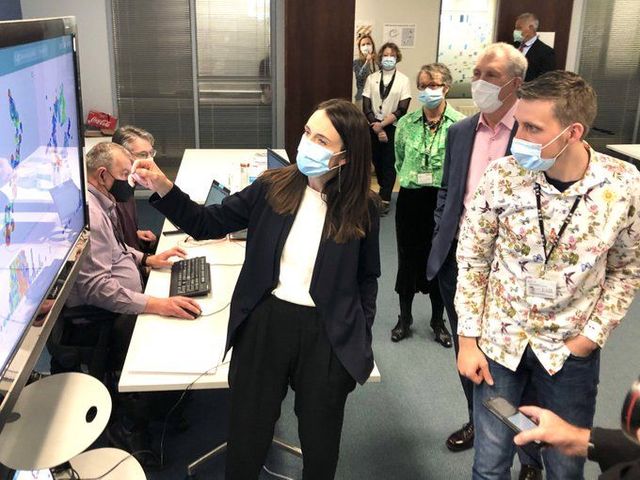
Covid-19: PM visits scientists in Porirua
- Wellington Scoop
- Accepted from Wellington Scoop features by feedreader
- Tagged as:
- porirua
- covid-19
Porirua, Wellington Region, New Zealand (OpenStreetMap)
-
-
-
July 2020 Residents Association meeting minutes
- Pukerua Bay Residents Association
- Tuesday, July 14, 2020Pukerua Bay RSA, 5-7 Wairaka Road Present: Paul FitzGerald (Chair), Nikky Winchester (Secretary), Iain McLean, Kate Dreaver, Margaret Blair, Mel Galletly, Bill Jackson, Pauline Morum, Nathan Waddle (PCC), Jenny Brash (GWRC)Community: Brian SullivanApologies: June Penhey, Jonathan HarkerApproval of previous minutes: with amendment to note that Jenny Brash is heavily involved in monitoring the GWRC submission on the Plimmerton Farm development; moved Iain McLean, seconded Kate Dreaver, none opposed, carried. Porirua City Council update Nathan explained that submissions have closed for the Plimmerton Farm development. The annual plan has been finalised, with a rates increase of 4.9%. PCC are in the early stages of sorting out the long term plan for next year. The district plan will be discussed at the Council meeting tomorrow night; this will be effective from the start of next year. All new builds will be required to have grey water tanks. There was some discussion about the next steps for the Plimmerton Farm development. Greater Wellington Regional Council update Jenny explained that there is low leakage in the water treatment pipes. There will be workshops run by DIA regarding the proposal for large scale water authorities. The Government is subsidising losses incurred as a result of making the trains and buses free during Lockdown. Jenny suggested individuals consider writing to the Minister of Transport to push for Transmission Gully to be finished promptly. GWRC are expecting a report in August on the feasibility of introducing water meters. Financial Main account: $5737.47Fundraising: $0.00 Payment of $621.25 was made to AON NZ for renewal of public liability insurance through to June 2021.Of the monies in the main account, $4263.05 is for the community garden, $588.45 is for Surfers Seat maintenance, and $425.80 is for He Ara Pukerua.Margaret proposed that the RA set up a secure Cloud account for ease of access and an accessible archive, so this knowledge is independent of any individual or office holder, with read-only for general access by the rest of the Committee. Motion: The Residents Association Committee nominate Nikky Winchester to be the fourth bank signatory – moved Kate Dreaver, seconded Mel Galletly, none opposed, carried. Action: Bill/Jon to discuss options for cloud storage.Motion:Action: Margaret/Nikky to discuss the process for adding Nikky to the list of signatories. Correspondence Received (date?) a letter from BNZ who are phasing out cheques by June 2021. Progress on action items Action: Jon to add the information about the 25 memorials around the village to the RA website once Margaret has collected the information.Action: Jon and Pauline will meet as the new Fundraising committee, and present proposals to the Committee.Action: Pauline/Iain/Kate to continue investigating options for organising a silent art auction.Action: Paul to give Pauline contact details for Pauline Morse.Action: Margaret to remove Brian Sullivan and Pauline Morse as signatories from the PKBRA bank account as they are no longer committee members.Action: Paul to write a proposal about amendments to the RA Constitution.Action: Iain/Paul to ask PCC to send their monthly updates to secretary@ and chair@ and remove all other names from their mailing list.Action: Jon to ask Dave Pepperell about posting information on the website about the Surfers Seat event. Projects update Muri Platform building Iain confirmed with KiwiRail that the Committee would like to include some additional land in the lease. The updated lease has been signed and Iain expects to receive the copy shortly. Food forest/community garden Paul talked to Bill Inge about getting QR code plaques printed. It costs about $29 per plaque. He Ara Pukerua Brian informed the Committee that the group met via Zoom on a weekly basis during Lockdown. They have two major items to finish: the last bollard in the latest batch has been approved by Ngati Toa (Mt Welcome sign); and other signs are to go up shortly, including the ones at Muri Station. The timeline on the outside of the station building will be visible from the approach along the platform. The Muri Station platform building will be formally opened on Saturday 5 September at 10.30am, in conjunction with tours around the food forest, entertainment and refreshments. It will be 135 years since the railway arrived in Pukerua Bay. Action: Jon to create a page on the RA website. Community shed proposal There was some discussion about the naming of the proposal. It was agreed that it continue to be known as the “community shed”, and that it will be available to all members of the community. A MenzShed group may be established, and they will be able to use it at pre-arranged times, as will other community groups. Other business Kate reminded the Committee that the Hub was intending to do some research into loneliness, community connection and resilience. As a result of the village’s activities during the Covid-19 lockdown, Kate has written a proposal which has gone to Porirua Council. Iain and Kate have made further changes to the Village Planning survey. There will be a meeting on 25 July to discuss promotion and circulation of the survey. Margaret notified the Committee that there is a seat near the footbridge which is unnamed. Ernie Amey used to walk past it every day; and Kath Fowler was instrumental in getting the seat established. Margaret has spoken to PCC about putting a plaque on the seat to commemorate both of them. This will cost about $30. Action: Margaret to organise the plaque. Meeting ended: 8.51pmNext meeting: 11 August 2020
- Accepted from Pukerua Bay Residents Association feed by tonytw1
- Tagged as:
- porirua
- pukerua-bay
- covid-19
- transmission-gully
Transmission Gully Motorway, Kenepuru, Porirua, Porirua City, Wellington, 5022, New Zealand (OpenStreetMap)
-
-
-
Fwd: Term 2 - 2020 - Newsletter
- Ngati toa Sea Scouts
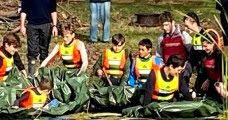
- Hi, COVID-19 certainly put a crimp in our style when it came to scouting this term, but the "Scouting from Home" plan worked and we still managed to have a good term.
- Accepted from Ngatitoa Sea Scouts feed by feedreader
- Tagged as:
- covid-19
Ngati Toa Scout Group, Parade Ground, Mana, Paremata, Porirua, Porirua City, Wellington, New Zealand (OpenStreetMap)
-
-
-
Plimmerton Farm: getting greenfields right
- Talk Wellington
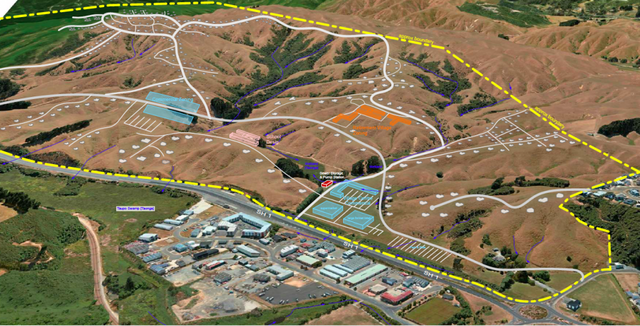
- If we’re hellbent on doing more residential development in greenfields, what does “decent” look like in Plimmerton, hilly land near an existing suburb – like most of our region’s greenfields? This post is basically a guide for anyone who cares about Plimmerton, good urban development, or healthy wetlands, streams and coast, but is time-poor and can’t face going through the truckloads of documents they’ve stuck up without any specific meta-guidance (some FAQ are here). Hopefully this will help you pop in a submission! PCC’s “information” pages they suggest you use for submitting. Every one of these is a large PDF document, 90% written in technical language… aargh! The background: what where and how For those who don’t know, Plimmerton Farm’s a big proposed subdivision of hilly farmland draining into the significant Taupō Wetland and to Plimmerton Beach, just over the train line and highway from Plimmerton village (original Ngāti Toa name: Taupō). It’s going through a Streamlined Planning Process, a pre-COVID government scheme for accelerating development. The key step is the requisite change of the land’s zoning in the Porirua District Plan (“rural” zone to “residential” and other “urban” zones) that sets out what kind of stuff can then be built, where. It’s mostly streamlined because there’s just one shot for the public to have input on the plan change. One shot. Why submit? I was born and raised in Plimmerton, live here now, and intend to for the rest of my days. I’d love to see it grow, well. I would love Plimmerton to get more wallets, more hearts and minds, more faces (more diverse ones too!). But not with more traffic, and pointless damage to our environment. Right now, the proposal has some serious flaws which need sorting. I say Sorting because the changes won’t make it crazy innovative, just good enough for a development in the spot it is, being kicked off in 2020. Time matters too: there’a a bunch of good things happening imminently (and some bad Porirua trends that need to be reversed). I cover these in Get it right, below. It’s worth submitting because given the situation, a 1990s-grade development just won’t cut it. So what about Plimmerton Farm needs to change? It boils down to two themes: dial down the driveability and dial up the liveabilitymake Local the logical and easy choice for daily needs I’ll outline what needs to change in each. NOTE: There’s a third – don’t stuff the wetlands and streams. This is really important as Taupō Wetland is regionally significant, and all our streams and harbours have suffered from frankly shameful mismanagement of sediment from earthworks-heavy subdivisions like Aotea and Duck Creek, and from the earthworks-a-rama of Transmission Gully. Friends of Taupo Swamp have an excellent submission guide for you – add in some of their suggested bits to your submission. I: Dial down the driveability, dial up the liveability There aren’t many truly black-and-white things in life, but there’s one for towns: If a street is nice to drive in, it’ll be a crappy place to do anything else in (walk / eat / hang out / have a conversation / play / scoot or cycle / shop / have a pint). If it’s nice to do anything else in, it’ll be a crappy place to drive in. Mostly this is because of the nature of the automobile: big solid things that smash into our soft bodies if someone makes a mistake (75% odds of death if that’s at 50km/hour, 10% odds of death if at 30km/hour) big objects that need lots of space for manoeuvering and especially parking – which offstreet can be crazy expensive and push up the cost of a home, and onstreet hoover up valuable public space. big solid things driven by us real humans (for a while at least) who respond to the environment but also get distracted, and generally aren’t good at wielding these big solid things safely. The transport setup proposed for Plimmerton Farm makes for a much too driveable and poorly liveable place. 1. Narrow down all the roads. The current proposal’s roading setup has roads and streets that are too big, and there’s too much of them. Right sized roads for a liveable community The cross-sections for the roads include on-street parking and really wide lane widths. This is really gobsmacking for a consortium that talked a big talk about good practice. For all the reasons that Low Traffic Neighbourhoods are good, this is bad. (And it’s especially nuts when you realise that the excessively wide “arterial” roads (11 metres!) will need earthworked platforms built for them where they’re drawn running up the sharp ridges and across the tops of gullies. Expensive, damaging for the environment, and … what were they thinking?) So recommended changes: NARROW DOWN THE ROADS. Seriously. Design all the living-area streets and roads, and the centre, to be self-explaining for an operating traffic speed of 30km or less – that’s the speed where mistakes are rarely fatal. What does that look like? The designers will know and if they don’t they should be fired. Narrower crossing distances; chicanes (great way to incorporate green infrastructure and trees and seating!); narrowed sight-lines (trees! sculpture!) so no-one driving feels inclined to zoom. Reduced trafficked lanes (rori iti on the larger roads!), with properly wide and friendly footpaths. Threshold treatments, humps, modal filters, all the things we know very well are the natural ways to slow us down when driving, and make streets nicer for people. The beauty of all this “restriction” on driving is how much it frees us up for making everything else appealing. Streets become hospitable for kids to walk, scoot, bike to school safely, using the road not the footpath. Older people and those with impairments can walk and wheelchair safely. Teens coming home from town of an evening can scoot or bike home, safely. Popping down to the shops or for a coffee or to the train becomes a pleasure to do on foot, or on a scooter or bike. And you’re moving in a legitimate way – seeing and being seen, not stuck off in the bush on a “recreational” track like what they’ve described. The ordinary streets and roads are walkable, bikeable, scootable, mobility-scootable, and perfectly driveable, equally safe and useable in all weathers and anytime of day or night. Used to be a big, fast road. Now, kids bike to school and old people can chill out on it. (Mark Kerrison) (And in case you’re worried about firetrucks / rubbish trucks / buses, recall that on even Wellington City’s far more winding, narrower hilly streets everyone gets their rubbish collected and fires fought just fine. On public transport, smaller buses, like those that community transport operators use, are the way of the future for less densely-populated areas like this). Don’t build the through and loop roads. You don’t need signs like this when the only people who bother to drive in are those who live there, or who are visiting friends, because you just have to drive out again the way you came. When it’s the place you live, you’re invested in not being a dick far more than if you’re just out for a drive – or worse, out for a bit of a boyrace hoon on a massive loop route through a whole place. So just don’t build those big connector roads that enable people to drive easily from one residential area to the next, especially the ones up in the hilltops (section C) that just say “come for a hoon!” Instead, connect the living spaces heavily with bikeable, walkable, scootable, disability-friendly streets and lanes, and as much as possible, only one way in and out for cars from each living area. II: Make local logical and easy Plimmerton is a true village, with a great little centre (including a train station!) but Plimmerton Farm is ultimately a damn big area. The way to go is to enable people to get the basics of life – like school, groceries, a coffee – with a little local trip on foot, bike or scooter – it’s more of a bother to get in the car. Right now though, it needs two changes: 1. Provide for a second centre “Bumping into” spaces are known to be crucial to a feeling of neighbourhood, and in the (initial) absence of third places (worship places, community hall, sports club, cafe/pub, a supermarket is a vital social centre. Yet the north end of Plimmerton Farm is currently a deadzone for anything except residential. What things will probably look like under current layout. Like in Edwards Scissorhands without the interest of a castle. There’s no provision for a place to do your household groceries, so people will drive to Mana New World – more car trips – and less opportunity to bump into people who live nearby. (There’ll be no school in Plimmerton Farm for a while, because Ministry of Education isn’t allowed by the Education Act to build a school somewhere until there’s a certain population density of kids to fill it. A shitty Catch-22 for developments which is hopefully going to be fixed … sometime. Just another reason to make walking, biking and scooting really kid-friendly, as extra dropoff traffic for kids going to St Theresa’s, Plimmerton School, Paremata and Pukerua Bay schools will be a nightmare.) So they should provide for an additional centre in the north, including a groceries place of some kind. 2. Intensify within walking distance of Plimmerton proper. We should intensify properly, with lots of medium and even some high density (6 storeys of nicely laid-out density done well!) in the area that’s within a 5-minute walk of Plimmerton Village. The more people can live and work with access to all its many amenities, and its rail station (10 min to Porirua, 30 min to Wellington), the better. But there’s not enough density provided for there. Plimmerton Railway station: buzzing in 1916 and has only got bigger. (Photo: Pātaka Porirua Museum) So they should add another zone – E – of higher density in that 5-minute walking catchment of Plimmerton Village. What could it look like? A good example is 3333 Main, Vancouver . Submission tips On the site they ask you to fill in a Word or PDF form, saying which specific bit of the gazillion proposals you are talking about and the specific changes you want. This is a BS way to treat the vast majority of people submitting: normal non-professionals, just regular people who care about good development and liveable places. So just don’t worry about that. In those question 6 column boxes just put “Transport” and “Layout”. It’s the professional planners’ job to figure out specifically how to change a planning document. Just be specific enough that they know what you want to see. The text above is worth copying and pasting – it’ll be enough. And don’t forget the Friends of Taupo Swamp and Catchment advice is essential – definitely go read and use. That’s all you really need – just go submit! But if you’re keen to know more reasons why they should be doing this better, here’s some… Get it right, now Once this plan change is through, traditional developers like Gillies like to whack in all the infrastructure – hello, massive earthworks. And yet the place will take decades to fill with actual people – those hearts and minds and wallets. (Note even before COVID, Porirua’s growth rate was 0.1% per year. Yep, one tenth of one percent.) And extra pressure’s on to do this better because all these things are features of the next one to three years: the One Network Road Classification (sets the design specs for roads of different types) is being updated right now to be more people-friendly in the specs for roads in residential and centre areas, so designs like Plimmerton Farm’s will soon be Officially Bad Practice Sales and riding of e-bikes and e-scooters are going through the roof, continuing through and beyond COVID – this shows no signs of slowing, and prices are dropping. E-power flattens the hills of Plimmerton Farm and makes wheely active travel a breeze for the middle-class people who’ll be living here, if the streets and roads are hospitablePlimmerton Railway Station (on the most popular Wellington train line) is being upgraded to be a terminus station – i.e. better servicesThe Wellington Regional Growth Framework is setting a bunch of directions for councils on how to grow well, including well-known but often well-ignored issues like intensifying around public transport hubs Councils will soon be required to do to a bunch of a bunch of international good practice including get rid of many minimum parking requirements (in the news lately), and to upzone (enable intensification) of landuse in the walking catchment of public transport hubs. (5 min walk = approx 400 metres, 10 min = 800m).Bad trends we need to stop: Porirua’s really high car-dependency (we own cars a lot and drive a lot) is continuing, due to car-dependent urban form [PDF]– despite nice words in council’s strategic intentions.People living outside Wellington City are mostly to blame for our region’s 14% increase in emissions from transport in just 10 years. OK go submit now – and share with anyone who you think might care!
- Accepted from Talk Wellington posts by feedreader
- Tagged as:
- paremata
- porirua
- transmission-gully
- sculpture
- government
- parking
- design
- covid-19
- law
- planning
- wellington
- education
- developments
- sport
- buses
- coffee
- zoo
- people
Transmission Gully Motorway, Kenepuru, Porirua, Porirua City, Wellington, 5022, New Zealand (OpenStreetMap)
-
-
-
March update from DCM - together we can end homelessness
- Downtown Community Ministry
- 96 March update from DCM - together we can end homelessness p{ margin:10px 0; padding:0; } table{ border-collapse:collapse; } h1,h2,h3,h4,h5,h6{ display:block; margin:0; padding:0; } img,a img{ border:0; height:auto; outline:none; text-decoration:none; } body,#bodyTable,#bodyCell{ height:100%; margin:0; padding:0; width:100%; } .mcnPreviewText{ display:none !important; } #outlook a{ padding:0; } img{ -ms-interpolation-mode:bicubic; } table{ mso-table-lspace:0pt; mso-table-rspace:0pt; } .ReadMsgBody{ width:100%; } .ExternalClass{ width:100%; } p,a,li,td,blockquote{ mso-line-height-rule:exactly; } a[href^=tel],a[href^=sms]{ color:inherit; cursor:default; text-decoration:none; } p,a,li,td,body,table,blockquote{ -ms-text-size-adjust:100%; -webkit-text-size-adjust:100%; } .ExternalClass,.ExternalClass p,.ExternalClass td,.ExternalClass div,.ExternalClass span,.ExternalClass font{ line-height:100%; } a[x-apple-data-detectors]{ color:inherit !important; text-decoration:none !important; font-size:inherit !important; font-family:inherit !important; font-weight:inherit !important; line-height:inherit !important; } .templateContainer{ max-width:600px !important; } a.mcnButton{ display:block; } .mcnImage,.mcnRetinaImage{ vertical-align:bottom; } .mcnTextContent{ word-break:break-word; } .mcnTextContent img{ height:auto !important; } .mcnDividerBlock{ table-layout:fixed !important; } h1{ color:#222222; font-family:Helvetica; font-size:40px; font-style:normal; font-weight:bold; line-height:150%; letter-spacing:normal; text-align:center; } h2{ color:#222222; font-family:Helvetica; font-size:34px; font-style:normal; font-weight:bold; line-height:150%; letter-spacing:normal; text-align:center; } h3{ color:#444444; font-family:Helvetica; font-size:22px; font-style:normal; font-weight:bold; line-height:150%; letter-spacing:normal; text-align:center; } h4{ color:#949494; font-family:Georgia; font-size:20px; font-style:italic; font-weight:normal; line-height:125%; letter-spacing:normal; text-align:center; } #templateHeader{ background-color:#0f288b; background-image:none; background-repeat:no-repeat; background-position:50% 50%; background-size:cover; border-top:0; border-bottom:0; padding-top:54px; padding-bottom:54px; } .headerContainer{ background-color:transparent; background-image:none; background-repeat:no-repeat; background-position:center; background-size:cover; border-top:0; border-bottom:0; padding-top:0; padding-bottom:0; } .headerContainer .mcnTextContent,.headerContainer .mcnTextContent p{ color:#757575; font-family:Helvetica; font-size:16px; line-height:150%; text-align:left; } .headerContainer .mcnTextContent a,.headerContainer .mcnTextContent p a{ color:#007C89; font-weight:normal; text-decoration:underline; } #templateBody{ background-color:#transparent; background-image:none; background-repeat:no-repeat; background-position:center; background-size:cover; border-top:0; border-bottom:0; padding-top:27px; padding-bottom:54px; } .bodyContainer{ background-color:#transparent; background-image:none; background-repeat:no-repeat; background-position:center; background-size:cover; border-top:0; border-bottom:0; padding-top:0; padding-bottom:0; } .bodyContainer .mcnTextContent,.bodyContainer .mcnTextContent p{ color:#757575; font-family:Helvetica; font-size:16px; line-height:150%; text-align:left; } .bodyContainer .mcnTextContent a,.bodyContainer .mcnTextContent p a{ color:#007C89; font-weight:normal; text-decoration:underline; } #templateFooter{ background-color:#333333; background-image:none; background-repeat:no-repeat; background-position:center; background-size:cover; border-top:0; border-bottom:0; padding-top:45px; padding-bottom:63px; } .footerContainer{ background-color:transparent; background-image:none; background-repeat:no-repeat; background-position:center; background-size:cover; border-top:0; border-bottom:0; padding-top:0; padding-bottom:0; } .footerContainer .mcnTextContent,.footerContainer .mcnTextContent p{ color:#FFFFFF; font-family:Helvetica; font-size:12px; line-height:150%; text-align:center; } .footerContainer .mcnTextContent a,.footerContainer .mcnTextContent p a{ color:#FFFFFF; font-weight:normal; text-decoration:underline; } @media only screen and (min-width:768px){ .templateContainer{ width:600px !important; } } @media only screen and (max-width: 480px){ body,table,td,p,a,li,blockquote{ -webkit-text-size-adjust:none !important; } } @media only screen and (max-width: 480px){ body{ width:100% !important; min-width:100% !important; } } @media only screen and (max-width: 480px){ .mcnRetinaImage{ max-width:100% !important; } } @media only screen and (max-width: 480px){ .mcnImage{ width:100% !important; } } @media only screen and (max-width: 480px){ .mcnCartContainer,.mcnCaptionTopContent,.mcnRecContentContainer,.mcnCaptionBottomContent,.mcnTextContentContainer,.mcnBoxedTextContentContainer,.mcnImageGroupContentContainer,.mcnCaptionLeftTextContentContainer,.mcnCaptionRightTextContentContainer,.mcnCaptionLeftImageContentContainer,.mcnCaptionRightImageContentContainer,.mcnImageCardLeftTextContentContainer,.mcnImageCardRightTextContentContainer,.mcnImageCardLeftImageContentContainer,.mcnImageCardRightImageContentContainer{ max-width:100% !important; width:100% !important; } } @media only screen and (max-width: 480px){ .mcnBoxedTextContentContainer{ min-width:100% !important; } } @media only screen and (max-width: 480px){ .mcnImageGroupContent{ padding:9px !important; } } @media only screen and (max-width: 480px){ .mcnCaptionLeftContentOuter .mcnTextContent,.mcnCaptionRightContentOuter .mcnTextContent{ padding-top:9px !important; } } @media only screen and (max-width: 480px){ .mcnImageCardTopImageContent,.mcnCaptionBottomContent:last-child .mcnCaptionBottomImageContent,.mcnCaptionBlockInner .mcnCaptionTopContent:last-child .mcnTextContent{ padding-top:18px !important; } } @media only screen and (max-width: 480px){ .mcnImageCardBottomImageContent{ padding-bottom:9px !important; } } @media only screen and (max-width: 480px){ .mcnImageGroupBlockInner{ padding-top:0 !important; padding-bottom:0 !important; } } @media only screen and (max-width: 480px){ .mcnImageGroupBlockOuter{ padding-top:9px !important; padding-bottom:9px !important; } } @media only screen and (max-width: 480px){ .mcnTextContent,.mcnBoxedTextContentColumn{ padding-right:18px !important; padding-left:18px !important; } } @media only screen and (max-width: 480px){ .mcnImageCardLeftImageContent,.mcnImageCardRightImageContent{ padding-right:18px !important; padding-bottom:0 !important; padding-left:18px !important; } } @media only screen and (max-width: 480px){ .mcpreview-image-uploader{ display:none !important; width:100% !important; } } @media only screen and (max-width: 480px){ h1{ font-size:30px !important; line-height:125% !important; } } @media only screen and (max-width: 480px){ h2{ font-size:26px !important; line-height:125% !important; } } @media only screen and (max-width: 480px){ h3{ font-size:20px !important; line-height:150% !important; } } @media only screen and (max-width: 480px){ h4{ font-size:18px !important; line-height:150% !important; } } @media only screen and (max-width: 480px){ .mcnBoxedTextContentContainer .mcnTextContent,.mcnBoxedTextContentContainer .mcnTextContent p{ font-size:14px !important; line-height:150% !important; } } @media only screen and (max-width: 480px){ .headerContainer .mcnTextContent,.headerContainer .mcnTextContent p{ font-size:16px !important; line-height:150% !important; } } @media only screen and (max-width: 480px){ .bodyContainer .mcnTextContent,.bodyContainer .mcnTextContent p{ font-size:16px !important; line-height:150% !important; } } @media only screen and (max-width: 480px){ .footerContainer .mcnTextContent,.footerContainer .mcnTextContent p{ font-size:14px !important; line-height:150% !important; } } March update from DCM - together we can end homelessness COVID-19 Supporting our taumai at this most challenging of times What a month it has been – for DCM, our taumai, and all of New Zealand. Is it just us, or does the first half of March seem so long ago, almost like we were living in a different world? Here at DCM, we are totally committed to finding new and different ways of working, so that we can continue to support people who are experiencing homelessness or who are at risk of homelessness throughout the COVID-19 crisis period. Doing things differently at DCM – Dom supporting taumai with Money Management in the courtyard, and Rob manning our 0800 number service for taumai from his home. It is important that we are able to provide appropriate levels of support related to the assessed vulnerability of the taumai. We have identified a group of the most marginalised taumai – these have been assigned to a support team and they will be supported across a number of key domains, including money management/access to income, food support, emergency housing, connection to mental health supports, and access to medication. Kaimahi are also rostered to share the task of supporting rough sleepers into emergency housing over this period. Where possible, kaimahi are keeping in touch with taumai who they are keyworking by calling them on the phones we have provided them with; we have also set up an 0800 number for taumai to call us on. As always, as we are able to lift up our taumai, in turn they lift us up; it is something very special to be part of this important mahi. As Stephanie reflected at the end of a very different Monday afternoon Foodbank session this week: “It has truly been very moving to be able to support our taumai at this time. Today a number of people came to us for food support. We were able to send them away with a generous selection of canned and dried foods, fresh fruit and veges, bread, milk and frozen meals. But more than that, we reminded them that we are still here for them, that so much has changed, but DCM is only a phone call away. As we spoke with taumai out in Lukes Lane, with spaces set up to ensure that we maintained and modelled safe distances, we asked them how things were going for them. People were in tears, they were so touched by the support and community that DCM continues to offer them.” Many of you have made donations for us to purchase phones for our taumai – one of our key responses to keeping in touch during this difficult time. Every day we hear uplifting stories from our kaimahi about taumai who have received and are using these phones. Nani shares one below, about a man who says very little. At the other extreme, yesterday Natalia received a very lengthy and reflective text from a man she has provided with a phone. He ended the text with this reflection – we couldn't have put it better ourselves: "We need to remind ourselves how lucky we are to be in Aotearoa, not only are we pioneers of the world, adversity brings us together. History has proven that. Maybe this is what we need to get us all together, to build again real communities". <!-- --> How can I help? When our seasonal kai for autumn (ngahuru) was not able to go ahead earlier this month, the wonderful people from Wellington’s Sikh community who were to prepare this community meal for our taumai, brought down 100 delicious pre-cooked meals, which we were able to hand out at our Foodbank. We have always known that DCM sits at the centre of a community that is totally committed to supporting us in our work to end homelessness. But at times like this, we are reminded of it daily, as so many of you have got in touch to ask what you can do to help. And of course your support is needed now more than ever. And so we have put together some thoughts on how you can continue to be involved during this lock-down period. Click here to find out more. <!-- --> "It's Nani calling!" The Sustaining Tenancies team - Moses, Sia, Poutalie, Alan and Nani. This photo was taken 11 March at a mihi whakatau to welcome new team member, Poutalie. A few short weeks later, it is difficult to believe that we were all able to stand so close together just the other day! This year, we are introducing you to some of our kaimahi, the amazing team of people here at DCM who support taumai to access and sustain housing. Nani joined DCM's Sustaining Tenancies team last September. This team works with people at risk of homelessness, supporting them to sustain their tenancies and thrive in their homes. Tell us a little more about yourself, Nani. My full name is Utuagiagi Taupau; Utuagiagi is the name of my iwi on the island of Salua Manono Tai, and Taupau is my dad’s last name and title name. I love my Samoan culture, it has moulded me as a person and taught me all about love and respect, not only for myself but for all those who I come face to face with. I went to school just down the road from home: Russell School, Brandon Intermediate and – the best days of my life – Porirua College. What have you most enjoyed about your time at DCM so far? I’ve enjoyed meeting new people every day. It's also amazing to be able to work with and learn from my amazing team leader, Sia Toomaga. She continues to empower and encourage me to do better and I am very grateful for this. Your favourites... Food? Spicy fried chicken, taro, mum’s chop suey. Sport? Volley ball, touch and rugby. Film? War Room. Thing to do as a child? Playing gutter ball and of course eating. Whakatauki? “Ua fuifui fa’atasi ae vao ese’ese” – “We are from different parts of the forest, but connected in one cause”. At DCM we often share “moments” from our interactions with taumai. What’s a special “moment” you enjoying sharing with others? D is a man who doesn’t say very much. As you know, we have been working hard to provide our taumai with phones – this is so important at this very challenging time for everyone. I gave D his new phone, and I called him to test it. As his phone rang, my name came up as the caller, and he says very loudly: “Hey, it’s you; it’s Nani calling!” This was a moment for me, because D really only responds to his voices, or says yes and no. Yet here he was speaking to me, and using my name. Love it. <!-- --> Please help us get the message out there! Forward this email on to everyone you can think of who may be interested in how to respond to homelessness, and just generally people who are passionate about Wellington. <!-- --> Read More Success Stories Nāku te rourou, nāu te rourou, ka ora ai te iwi With your basket and my basket, the people will thrive <!-- --> Copyright © 2020 DCM. All rights reserved. Our mailing address is: DCMPO Box 6133Marion SqWellington, Wellington 6011 New ZealandAdd us to your address book Want to change how you receive these emails? You can update your preferences or unsubscribe from this list.
- Accepted from DCM alerts archive by tonytw1
- Tagged as:
- porirua
- media
- rugby
- covid-19
- wellington
- art
- housing
- people
Porirua, Wellington Region, New Zealand (OpenStreetMap)
-
-
-
Volunteers an important part of patient and visitor wellbeing
- Capital & Coast District Health Board
- Each year hundreds of volunteers donate their time and roll up their sleeves to make a difference for patients, visitors and staff across Wellington, Porirua and Kapiti.
- Accepted from Capital Coast Health Feed by feedreader
- Tagged as:
- kapiti
- porirua
Porirua, Wellington Region, New Zealand (OpenStreetMap)
-
-
-
Better care for Pacific families in homes and the community
- Capital & Coast District Health Board
- A new nursing service is strengthening the support available for Porirua’s Pacific families and ensuring they can access health services in their home.
- Accepted from Capital Coast Health Feed by feedreader
- Tagged as:
- porirua
Porirua, Wellington Region, New Zealand (OpenStreetMap)
-