
Let's Get Wellington Moving and Wellington
-
-
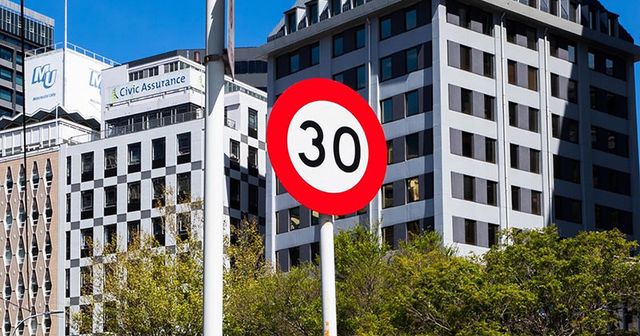
30km/h in the central city from July
- Let's Get Wellington Moving
- From the end of July speed limits on most central city streets will change from 50km to 30km - making our central city more more pleasant and appealing for everyone, especially for people walking and riding bikes. The final decision was made unanimously by Councillors at Wellington City Council on Thursday.
- Accepted from LGWM news by feedreader
- Tagged as:
- councillors
- people
- wellington
- speed-limits
-
-
-
More people and fewer vehicles on the Golden Mile – have your say
- Let's Get Wellington Moving
- Today we released three different concepts for community feedback to make the Golden Mile a better place for people and buses. Improving the Golden Mile is an important part of our plans to move more people with fewer vehicles and support Wellington’s growth.
- Accepted from LGWM news by feedreader
- Tagged as:
- art
- buses
- people
- wellington
-
-
-
Wellington to have 30 km/h speed limit in the central city by end July
- Let's Get Wellington Moving
- Wellington City Council’s Strategy and Policy Committee today gave final approval to changing most central city speed limits from 50 to 30km/h (main roads will remain at 50km/h). The central city safer speeds project is
- Accepted from LGWM news by feedreader
- Tagged as:
- wellington
-
-
-
Keeping in touch
- Let's Get Wellington Moving
- The Let's Get Wellington Moving (LGWM) team is continuing to work from home while the COVID-19 restrictions apply. We hope you are keeping well and are able to get out and enjoy the city a little more now we are in Alert Level 2.
- Accepted from LGWM news by feedreader
- Tagged as:
- covid-19
- wellington
-
-
-
Work underway on mass rapid transit and state highway projects
- Let's Get Wellington Moving
- Work to identify the best options for mass rapid transit and state highway improvements is set to begin, as part of the next phase of the $6. 4 billion Let’s Get Wellington Moving (LGWM) programme.
- Accepted from LGWM news by tonytw1
- Tagged as:
- art
- wellington
- lets-get-wellington-moving
-
-
-
Consultation opens on 30km/h speed limit proposal for central city streets
- Let's Get Wellington Moving
- Consultation is now open on a proposal to lower speed limits on most central city streets to 30km/h. The project is part of the Let’s Get Wellington Moving (LGWM) programme. LGWM programme director Andrew Body says it's clear that people want to see change in how we move to and through the central city.
- Accepted from LGWM news by feedreader
- Tagged as:
- art
- consultation
- people
- wellington
- lets-get-wellington-moving
-
-
-
We're building our team
- Let's Get Wellington Moving
- Looking for a new challenge in 2020? Bring your skills and experience to New Zealand’s most exciting city-shaping project, and the biggest investment in transport Wellington has ever seen. The team at Let’s Get Wellington Moving is passionate about developing and delivering an integrated transport system that supports Wellington’s growth, while making it safer and easier to move around.
- Accepted from LGWM news by feedreader
- Tagged as:
- sport
- transport
- wellington
-
-
-
Minister, Mayor and Chair welcome next phase for Let’s Get Wellington Moving
- Let's Get Wellington Moving
- Both Greater Wellington Regional Council (GWRC) and Wellington City Council (WCC) will vote on a new relationship and funding agreement, including advancing funding, for the next phase of the $6. 4 billion Let’s Get Wellington Moving (LGWM) programme at council meetings next week.
- Accepted from LGWM news by feedreader
- Tagged as:
- wellington
- wellington-city-council
- lets-get-wellington-moving
-
-
-
Next stage underway for mass rapid transit and state highway projects
- Let's Get Wellington Moving
- Contracts for the next stage of engineering, design, and planning work on the two largest projects in Let’s Get Wellington Moving (LGWM) have gone out for tender. LGWM Programme Director Andrew Body says this is a big step forward for the $6.
- Accepted from LGWM news by feedreader
- Tagged as:
- design
- engineering
- planning
- wellington
- lets-get-wellington-moving
-
-
-
Moving towards safer speeds in the central city and a more people-friendly Golden Mile
- Let's Get Wellington Moving
- Let’s Get Wellington Moving (LGWM) is seeking feedback from the community on two projects – lower speed limits in the central city, and what’s needed to create a more people-friendly Golden Mile. LGWM programme director Andrew Body says both projects are seeking community input from today.
- Accepted from LGWM news by feedreader
- Tagged as:
- people
- wellington
- lets-get-wellington-moving
-


